
80V Forklift Lithium Battery Guide: Specs & Drop-In | CMX Battery
Moving an 80V forklift fleet from lead-acid to lithium is one of the highest-ROI upgrades in a warehouse — no battery room, no watering, no change-out. This guide covers voltage, capacity sizing and what a drop-in LiFePO4 pack actually changes.
Why Lithium for Forklifts
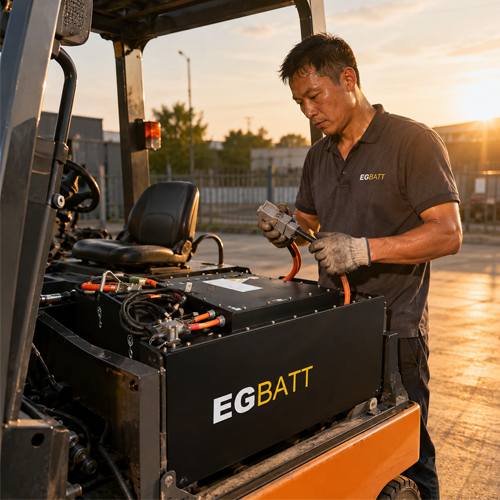
- Opportunity charging: top up at breaks, no spare battery, no swap station.
- Zero maintenance: no watering, equalizing or acid handling.
- Full-shift power: voltage stays flat across the discharge, so the truck does not sag late in the shift.
- Safety: no gassing, no thermal runaway with a proper BMS.
Forklift Voltage Explained: 24V / 36V / 48V / 80V
| Nominal | Typical truck | Notes |
|---|---|---|
| 24 V | Walkie / pallet jack | Low duty, light load |
| 36 V | Reach truck | Mid duty, narrow aisle |
| 48 V | Counterbalance | Most common class I/II |
| 80 V | Heavy counterbalance | High capacity, outdoor / heavy |
Always confirm the voltage on the truck nameplate — an 80V pack will not drop into a 48V compartment.
How to Size Capacity (Ah)
Ah ≈ (avg load A × run hours) / DoD. A single-shift truck drawing ~80 A for 6 h at 80% DoD needs ~600 Ah; two shifts need 690–800 Ah
or opportunity charging during the shift. CMX Battery 80V packs cover 400–690 Ah for typical 1–2 shift duty.
80V Models & Drop-In Replacement
- Direct compartment fit — same footprint and connector as the lead-acid block.
- Built-in smart BMS with CAN/RS485 telemetry for fleet charge management.
- IP-rated steel enclosure, forklift-grade cells rated for vibration and deep cycle.
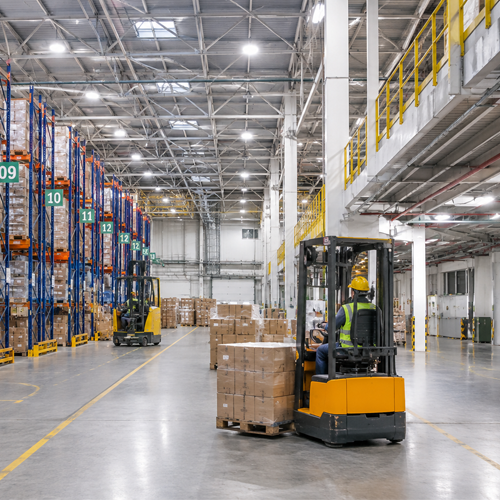
For lower-voltage trucks, see our 48V server-rack and industry battery range; 80V traction packs are built to order from your truck model.
Charging Infrastructure
Lithium forklifts charge from standard industrial chargers (set to a LiFePO4 CC/CV profile) or opportunity chargers at break areas. You can usually decommission the lead-acid equalize/vented room entirely.
Lithium vs Lead-Acid for Forklifts
| Parameter | Lead-Acid | LiFePO4 |
|---|---|---|
| Cycle life | 1,000–1,500 | 3,000–5,000 |
| Charge | 8 h + equalize | 1–2 h / opportunity |
| Maintenance | Watering | None |
| Battery room | Required | Not needed |
| Weight (80V) | 1,000–1,500 kg | 600–900 kg |
Related Forklift Lithium Batteries
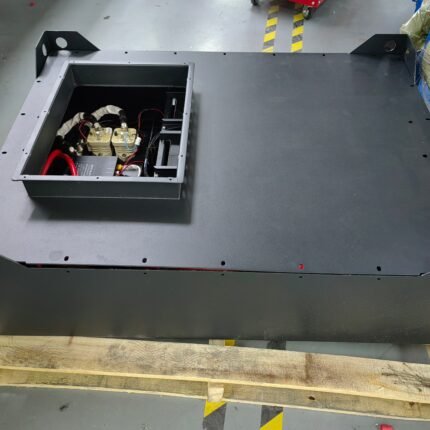
CMX 51.2V 660Ah LiFePO4 Battery for Mini Forklift and Electric Vehicle
- 51.2V · 660Ah
- 6000+ cycle life · 5-year warranty
- Agriculture/Marine: Long endurance, resistant to harsh environments, and stable power output to ensure prolonged and efficient operations.
- Marine: Waterproof and anti-corrosion, safe and reliable, with strong power to guarantee stable navigation on water.
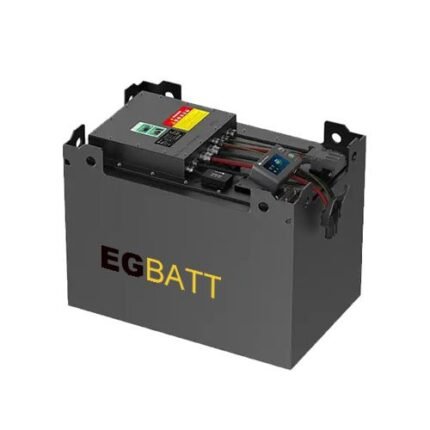
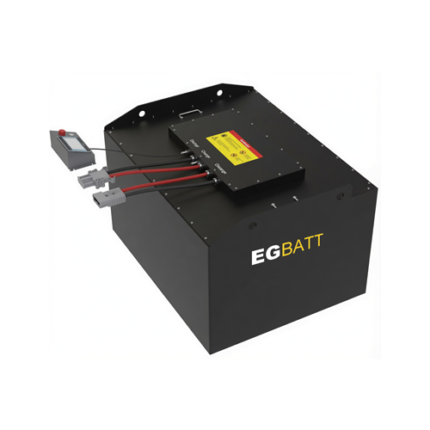
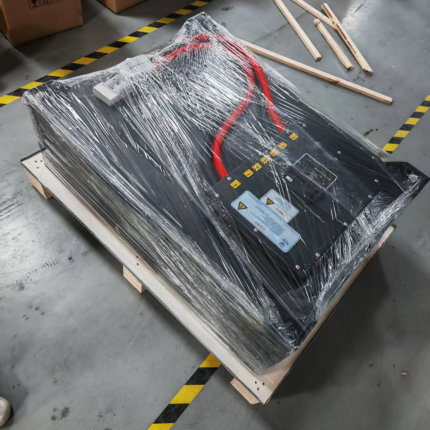
80V 560Ah LiFePO4 Forklift Lithium Battery (44.8kWh) for Toyota 8FBN30 8FB30 Forklift Trucks
The CMX Battery 80V 560Ah LiFePO4 Forklift Lithium Battery delivers 44.8kWh of high-capacity energy for demanding material handling operations. Designed for Toyota 8FBN30, 8FB30 and other heavy-duty electric forklifts, it provides stable power output, longer runtime, and superior efficiency compared with conventional lead-acid batteries.
Featuring advanced LiFePO4 cell technology, a smart Battery Management System (BMS), and UL2580-certified safety design, this 80V lithium forklift battery supports opportunity charging, eliminates routine maintenance, and offers more than 3,500 deep cycles for long-term reliability.
Whether operating in warehouses, manufacturing facilities, logistics centers, ports, or cold storage environments down to -20°C, the battery helps maximize forklift uptime, reduce operating costs, and improve fleet productivity across single-shift and multi-shift operations.
80V forklift lithium battery buying guide — model selection, runtime estimates, and charger compatibility.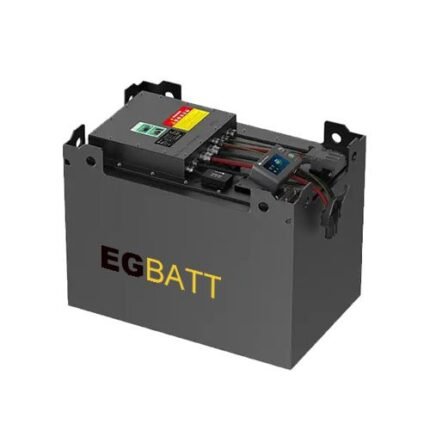
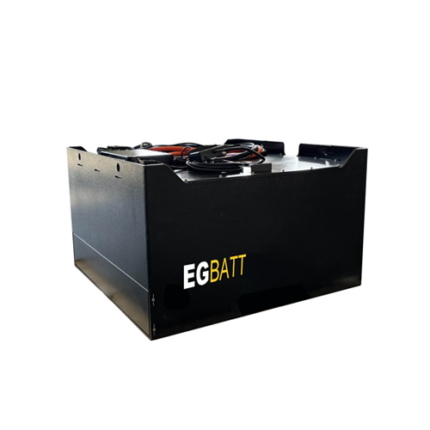
80V 460Ah Lithium Forklift Traction Battery | Motive Power Solution
- High-efficiency power delivery for demanding multi-shift operations with consistent voltage output.
- New Upgrade 80V 460Ah Forklift Battery Solution for Motive Power Industries featuring enhanced safety systems and smart monitoring.
- Maintenance-free design with rapid charging and over 3,500 cycles for maximum uptime.
- Superior safety profile and significant long-term cost savings versus traditional batteries.
- Robust construction ideal for heavy-duty material handling in warehouses, manufacturing, and logistics environments.
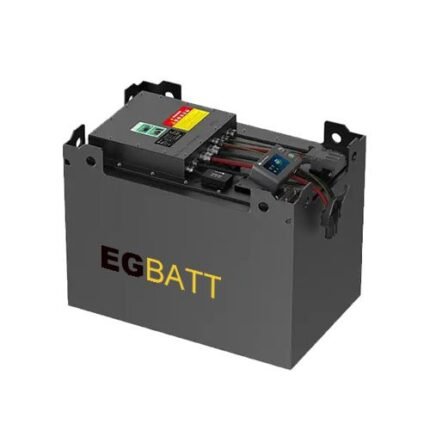
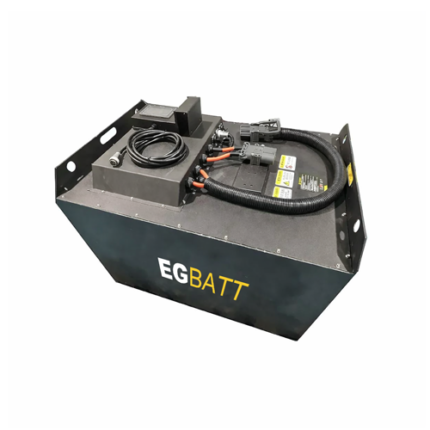
80V 400Ah LiFePO4 Lithium Forklift Battery Pack for Electric Fork Trucks
Direct Factory Wholesale Price
Eliminate middleman markups with high-volume manufacturing rates.3,500+ Deep Charge Cycles – Outlasts traditional lead-acid alternatives by more than 3 times.
Drop-In Replacement Ready
Engineered with custom steel counterweights to match OEM specifications.
Zero Daily Maintenance
Completely eliminates the need for acid watering, equalization charges, and battery rooms.
Rapid Opportunity Charging
Fully recharges in under 2 hours during scheduled employee shift breaks.
Browse All Battery Categories
Frequently Asked Questions
What voltage forklift battery do I need (24V/36V/48V/80V)?
Match the truck’s nameplate nominal pack. Walkie pallet jacks are 24 V, reach trucks 36 V, standard counterbalance 48 V, and heavy/high-capacity counterbalance trucks 80 V. Using the wrong voltage will not fit the compartment or the controller — always confirm first.
How long does an 80V forklift lithium battery last?
8–10 years and 3,000–5,000 cycles at 80% DoD for LiFePO4, versus 3–5 years and 1,000–1,500 cycles for a lead-acid traction battery — and the lithium pack keeps most of its capacity to end-of-life instead of tapering.
Can lithium replace lead-acid forklift batteries?
Yes. Drop-in 80V LiFePO4 packs use the same compartment and connector, need no watering, equalizing or dedicated battery room, and support opportunity charging. Most sites retire their spare-battery fleet and change-out equipment at the same time.
How do I size forklift battery capacity (Ah)?
From shift length and average draw: Ah ≈ (avg load A × run hours) / DoD. A single-shift truck drawing ~80 A for 6 h at 80% DoD needs about 600 Ah; two shifts need 690–800 Ah or opportunity charging. CMX Battery 80V packs run 400–690 Ah for 1–2 shift duty.
What is opportunity charging for forklifts?
Instead of one full recharge, you top up during breaks and lunch. LiFePO4 tolerates partial state-of-charge and charges fast, so a truck never needs a battery swap — eliminating the spare pack, the change-out station and the lead-acid charging room.
How much does an 80V forklift lithium battery weigh?
A 400–690 Ah 80V LiFePO4 pack weighs about 600–900 kg, versus 1,000–1,500 kg for the equivalent lead-acid traction block — freeing payload and easing handling, with no acid or gassing.
Request a Quote
Send your truck model and current Ah rating — we size an 80V drop-in LiFePO4 pack and quote the fleet conversion, usually within one business day.