
LiFePO4 vs Lead-Acid: An Honest Comparison
Quick answer: LiFePO4 delivers 2,000–5,000 cycles at 80–90% usable depth of discharge and about a quarter of lead-acid’s weight, while lead-acid gives 300–1,000 cycles at 50% usable DoD. Upfront, lead-acid is cheaper per kWh; over life, LiFePO4 is typically 2–4× cheaper per delivered kWh. Choose LiFePO4 if the battery cycles daily or weight matters; choose lead-acid only for rare, shallow, price-first standby duty.
The LiFePO4-vs-lead-acid question is really about total cost over the battery’s life, not the sticker price — here is the honest comparison buyers actually need.
What are the real differences between LiFePO4 and lead-acid?
LiFePO4 and lead-acid solve the same problem differently. Lead-acid (flooded, AGM, GEL) is cheap upfront and familiar, but it is ruined by deep discharge, needs watering (flooded), and lasts 300–1,000 cycles. LiFePO4 costs more per kWh but delivers 80–90% usable depth of discharge for 2,000–5,000 cycles, at a quarter of the weight, with no maintenance. The honest conclusion: if you cycle the battery daily or care about weight and life, LiFePO4 wins on total cost; if it sits rarely used and price is everything, lead-acid still has a narrow place.
| Specification | LiFePO4 (LFP) | Lead-acid | Why it matters |
|---|---|---|---|
| Cycle life | 2,000–5,000 cycles | 300–1,000 cycles | The decisive difference. |
| Usable DoD | 80–90% | 50% | More usable kWh per nameplate rating. |
| Weight | ≈1/4 of lead-acid | Baseline | Payload, handling and shipping. |
| Maintenance | None | Watering (flooded) | Operating burden over the life. |
| Upfront $/kWh | Higher | Lower | Usually reversed over life. |
| Charge profile | Lithium (CC/CV, 3.65 V/cell) | Lead-acid profile | Not interchangeable. |
How do you compare total cost of ownership?
Sticker price per kWh is misleading because you do not buy a battery — you buy delivered kWh over its life. The fair metric is lifetime cost per delivered kWh: pack price ÷ (usable kWh per cycle × cycle life).
Worked example: 9 kWh of usable daily capacity
- LiFePO4 — a 10 kWh pack at 90% DoD gives 9 kWh usable per cycle. At 4,000 cycles that is 36,000 kWh delivered. At $4,000 the pack costs ≈ $0.11 per delivered kWh.
- Lead-acid — reaching 9 kWh usable at 50% DoD needs an 18 kWh bank. At 500 cycles that is 4,500 kWh per set, so matching 36,000 kWh takes 8 sets. At $2,000 per set that is $16,000, or ≈ $0.44 per delivered kWh.
- Result — LiFePO4 is roughly 4× cheaper per delivered kWh in daily-cycling duty, and you replace it once instead of eight times.
Which applications favour LiFePO4?
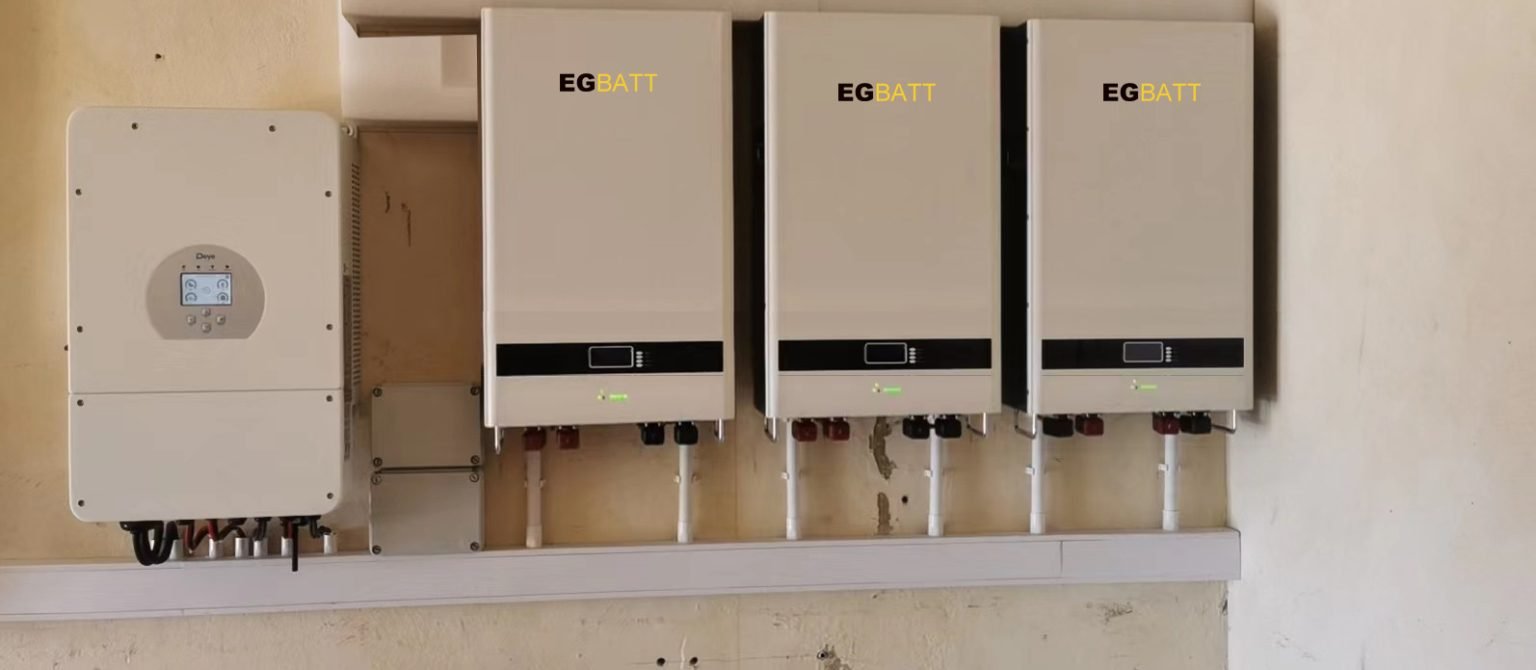
- Daily-cycling solar — LFP wins on cycle life and usable DoD; the bank is smaller for the same delivered energy.
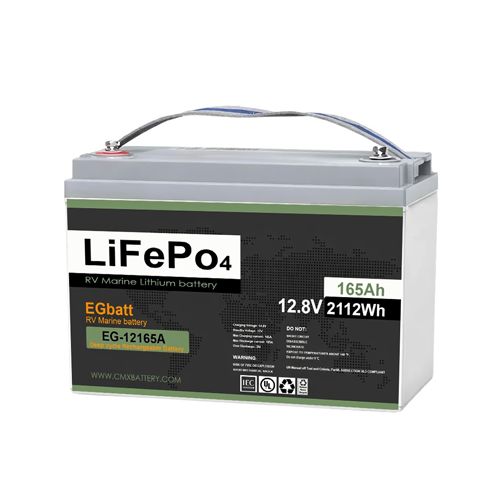
- Mobility (RV, marine, golf cart) — LFP wins on weight: about a quarter of an equivalent lead-acid bank, which is payload you can use.
- Forklift and material handling — LFP supports opportunity charging and fast charge without the memory and stratification problems of lead-acid.
- Total-cost buys — LFP almost always wins once you count replacements, labour and downtime.
How do you specify a replacement?
- Compute cost per usable kWh over expected cycles — LFP’s higher price is usually repaid within a few years of daily use.
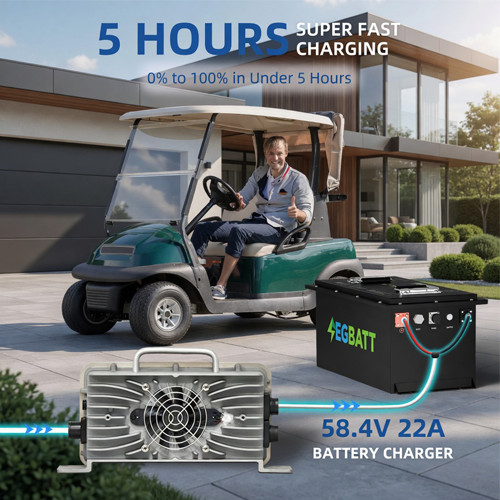
- Account for the charger: LFP needs a lithium charge profile. Lead-acid charging can damage an LFP pack, and an LFP profile will undercharge or overcharge lead-acid.
- Weigh payload — a quarter of the weight matters in RV, marine and cart use.
- Size for usable, not nameplate, capacity: a 100 Ah LFP replaces roughly 180 Ah of lead-acid at the same delivered energy.
- If the battery barely cycles, lead-acid’s low sticker can still win a narrow case.
When should you still choose lead-acid?
Lead-acid keeps a narrow place: rare, shallow standby duty where the battery sits for months between events, weight and cycle life do not matter, and the purchase is price-first. Typical examples are emergency lighting with a few cycles per year, some engine-start duties, and budget-constrained installations where the replacement cost can be deferred indefinitely. Be explicit about the duty cycle — most buyers who think they fit this case turn out not to.
Engineering & manufacturing at CMX Battery
Our guides are written by the same engineering team that grades the cells and builds the packs. They are meant to help importers, installers and procurement specifiers make defensible decisions — not to rank for a keyword.
What certifications & compliance apply?
- UN38.3 — Mandatory lithium battery transport test (altitude, thermal, vibration, shock, external short). Required for any cross-border shipment.
- IEC62619 — International safety standard for industrial Li-ion cells and batteries; expected by EU and most APAC buyers.
- CE — EU declaration of conformity for the applicable directives.
- RoHS — Restriction of hazardous substances in the battery and BMS.
Frequently asked questions
Is LiFePO4 worth the higher upfront price?
For daily cycling or weight-sensitive use, yes — repaid in life and usable capacity within a few years. In the worked example above, LiFePO4 delivers energy at about a quarter of lead-acid’s lifetime cost.
Can I keep my existing lead-acid charger?
No for LFP — it needs a lithium charge profile (CC/CV to 3.65 V per cell); lead-acid charging damages it. Budget for a lithium-compatible charger or an inverter with a lithium profile.
How many more cycles does LiFePO4 deliver?
Typically 3–5× the cycles of lead-acid: 2,000–5,000 cycles versus 300–1,000, at 80–90% usable DoD versus 50%.
When should I still choose lead-acid?
Rare, shallow, price-first standby use where weight and life do not matter — a handful of cycles per year rather than one per day.
How much lighter is LiFePO4 than lead-acid?
About a quarter of the weight for the same nameplate capacity, and closer to one-fifth once you size lead-acid up to match usable capacity at 50% DoD.
Does LiFePO4 need maintenance?
No. There is no watering, no equalisation charge and no terminal cleaning schedule — unlike flooded lead-acid, which needs periodic topping up.
Can LiFePO4 drop straight into a 12 V lead-acid system?
Usually yes mechanically — 4S LiFePO4 is 12.8 V nominal and drop-in Group-size cases exist — but you must confirm the charger profile, the alternator or solar regulator, and any low-temperature cut-off.
Related products & resources
Request a LiFePO4 quote
Tell us your product, volume and specs — our engineering team returns a proposal within three working days. Or review our custom pack capabilities.