

Lithium Battery Cost per kWh
Quick answer: A LiFePO4 battery’s $/kWh is not one number — it is cell cost (chemistry, format, grade) plus the pack (BMS, enclosure, labour) plus certification plus volume. Cells are the largest line, but a cheap cell with a weak BMS or no certification is expensive once it fails or is refused at customs. Compare on lifetime cost per usable kWh = price ÷ (usable kWh per cycle × cycle life): a pack at $200/kWh lasting 5,000 cycles beats one at $120/kWh lasting 1,000.
Quoting $/kWh without context hides what you are buying — CMX Battery breaks down what actually moves the price of a LiFePO4 battery.
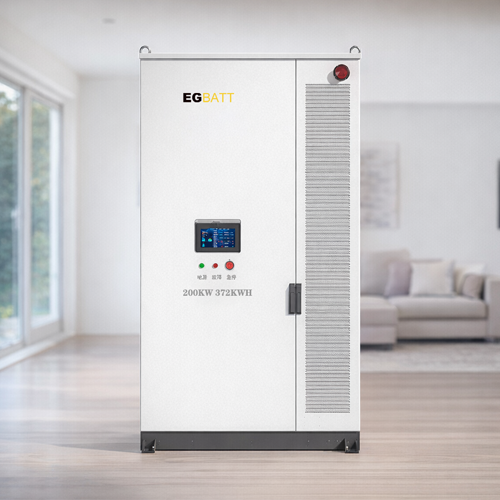
What drives the price of a LiFePO4 battery?
A LiFePO4 battery’s $/kWh is not one number; it is the sum of cell cost (chemistry, format, grade), the pack (BMS, enclosure, labour), certification, and volume. Cells are the largest line, but a cheap cell with a weak BMS or no certification is expensive once it fails or gets refused at customs. Cycle life reframes the comparison: a pack at $200/kWh lasting 5,000 cycles is cheaper per usable lifetime kWh than one at $120/kWh lasting 1,000. CMX Battery prices transparently and shows the drivers so you compare like for like — and we will tell you when a lower spec is the right call for your duty.
| Cost driver | What varies | Why it matters |
|---|---|---|
| Cell cost | Chemistry, format, grade | Largest line item — typically 50–70% of pack cost. |
| Pack | BMS, enclosure, labour | Quality varies widely; a weak BMS is the usual failure point. |
| Certification | UN38.3, IEC 62619, UL | Market-dependent; adds both cost and lead time. |
| Cycle life | Reframes $/kWh to lifetime cost | 5,000 cycles versus 1,000 changes the answer completely. |
| Volume | Container versus sample | Economies of scale are material at container quantities. |
How do you compare quotes fairly?
Convert every quote to lifetime cost per usable kWh before comparing: pack price ÷ (usable kWh per cycle × cycle life). Worked example on a 10 kWh pack:
| Quote | Price | $/kWh | Cycle life | Usable kWh/cycle | Lifetime $/kWh |
|---|---|---|---|---|---|
| A — premium LFP | $2,000 | $200 | 5,000 | 9.0 (90% DoD) | $0.044 |
| B — budget LFP | $1,200 | $120 | 1,000 | 9.0 (90% DoD) | $0.133 |
Quote B looks 40% cheaper on sticker and is 3× more expensive over life. This is why we publish cycle-life and DoD assumptions with every quote — without them, $/kWh is not a comparable number.
What should a quote actually include?
- Cell grade (new Grade-A, not second-life) and batch traceability keyed to serial numbers.
- BMS specification: topology, continuous and peak current, communication (RS485 / CAN), balancing type.
- Enclosure rating (IP class) and thermal management approach.
- Certifications held, with test report numbers rather than a datasheet mark.
- Per-cell test data: capacity, internal resistance and thickness.
- Warranty terms stated in cycles and years, with the end-of-life capacity guarantee.
When is a lower spec the right call?
Sometimes. If the duty is shallow and infrequent — a standby bank that cycles a few times a year — paying for 5,000 cycles is wasted money. If the installation is temperature-controlled and indoors, you may not need IP65 or a heater. We will say so when it applies, because a supplier who only sells the highest spec is not giving you engineering advice.
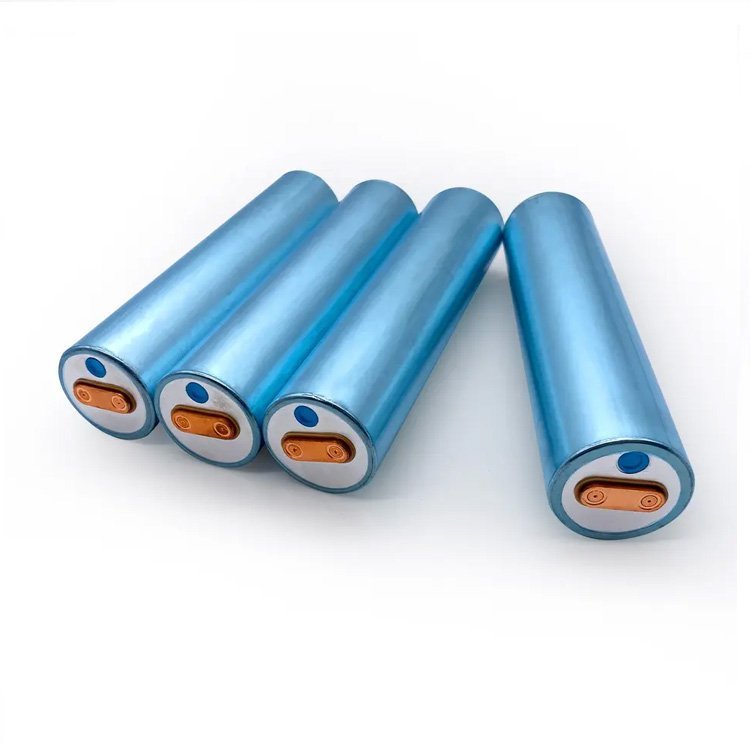
Engineering & manufacturing at CMX Battery
Our guides are written by the same engineering team that grades the cells and builds the packs. They are meant to help importers, installers and procurement specifiers make defensible decisions — not to rank for a keyword.
What certifications & compliance apply?
- UN38.3 — Mandatory lithium battery transport test (altitude, thermal, vibration, shock, external short). Required for any cross-border shipment.
- IEC62619 — International safety standard for industrial Li-ion cells and batteries; expected by EU and most APAC buyers.
- CE — EU declaration of conformity for the applicable directives.
- RoHS — Restriction of hazardous substances in the battery and BMS.
Frequently asked questions
What is a good price per kWh for LiFePO4?
It depends on chemistry, pack quality and certifications; compare on lifetime cost rather than sticker. In the example above, a $200/kWh pack with 5,000 cycles beats a $120/kWh pack with 1,000 cycles by 3×.
What drives the price of a LiFePO4 pack?
Cell grade, BMS quality, enclosure, certification and volume all move the price — cells typically account for 50–70% of pack cost.
Should I compare on cycle life instead of $/kWh?
Yes — it reframes price into cost per lifetime usable kWh, which is the number that actually predicts what you will spend.
What should a quote include?
Cells, BMS specification, enclosure rating, certifications with report numbers, and per-cell test data.
How much does volume change the price?
Materially. Container quantities typically price far below sample or small-batch quantities because cell purchasing, line setup and testing amortise over more units.
Why is one quote half the price of another?
Usually cell grade (second-life or downgraded cells), a simpler BMS without communications, no certification testing, or no warranty behind the number.
Related products & resources
Request a LiFePO4 quote
Tell us your product, volume and specs — our engineering team returns a proposal within three working days. Or review our custom pack capabilities.