

Off-Grid Solar Battery Systems
Quick answer: An off-grid LiFePO4 bank is sized from your daily consumption and your weakest solar month — not an average day. For a 5 kWh/day home the typical bank is 10–15 kWh (2–3 days autonomy), paired with enough PV to refill it between sunny days, plus a generator for the tail beyond three days. LiFePO4 is the default choice because it tolerates 80–90% daily DoD for 2,000–5,000 cycles, where lead-acid would need replacing after 300–1,000.
Key facts at a glance
- Autonomy target: 2–3 days typical for a home; 3–5 days for unattended sites.
- Bank size rule: daily kWh × autonomy days ÷ usable DoD (0.8–0.9 for LiFePO4).
- Cycle life: 2,000–5,000 cycles at 80–90% DoD vs 300–1,000 for lead-acid at 50%.
- System voltage: 48 V for homes and cabins; high-voltage (200–800 V) above ~30 kWh.
- PV-to-bank ratio: array must refill the bank in one good sun day, not just run the loads.
- Generator: kept for the tail beyond 3 days — it is cheaper than doubling the bank.
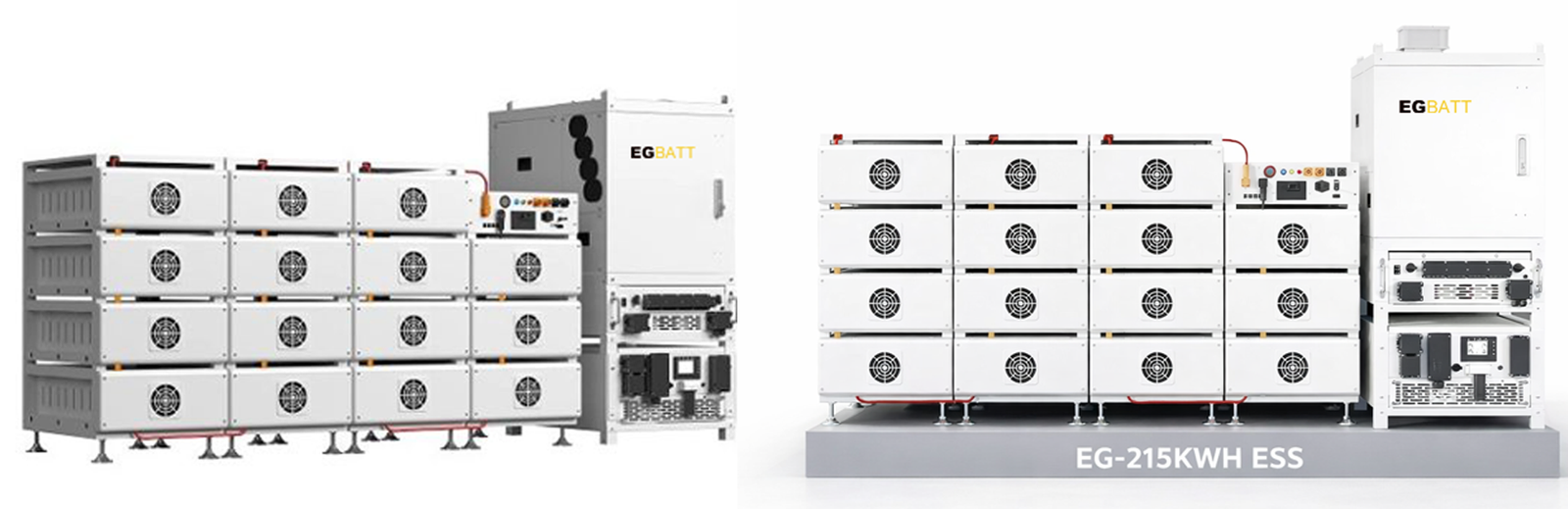
What is an off-grid solar battery system?
An off-grid system has no grid to fall back on, so the LiFePO4 bank must cover the worst-case stretch between sunny days. CMX Battery sizes storage for multi-day autonomy from your load and local solar resource, pairs it with enough PV and an off-grid inverter/charger, and designs for the generator backup most remote sites keep. The discipline is autonomy vs cost: more days of reserve means more batteries; we model it from your real consumption and the weakest solar month, not a guess. LiFePO4’s deep DoD and long cycle life make it the economical choice for a bank that cycles every day.
How much battery capacity do I need off-grid?
Capacity = daily consumption × autonomy days, then divided by usable depth of discharge. Worked example: a 5 kWh/day home wanting 2 days autonomy at 90% usable DoD needs 5 × 2 ÷ 0.9 = 11.1 kWh — so a 10–15 kWh bank is the practical answer. The table below gives indicative bank sizes for the same 5 kWh/day home.
| Autonomy | What it covers | Indicative bank (5 kWh/day home) |
|---|---|---|
| 1 day | Overnight plus one cloudy day | ~5 kWh |
| 2 days | A full cloudy weekend | ~10 kWh |
| 3 days | Extended bad weather | ~15 kWh |
Most remote sites keep a generator for the tail beyond three days — because covering a five-day storm in batteries alone costs more than a generator that runs twenty hours a year. We model your local solar resource (NASA/ PVGIS irradiance data for your coordinates) before sizing.
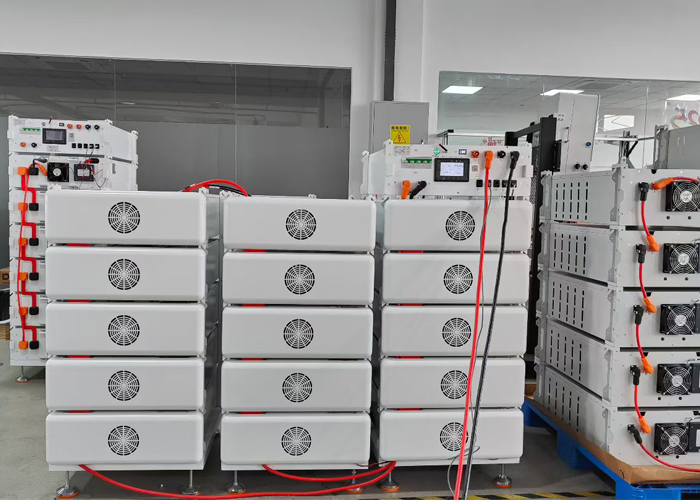
What are the three parts that have to balance?
How much PV do I need off-grid?
Enough to refill the bank between sunny days, not just to run the loads while the sun is up. A bank that never reaches 100% SoC sulphates in lead-acid terms and, in lithium terms, simply never delivers its rated energy. As a rule the array should deliver 1.2–1.5× your daily kWh in one good sun day — so for 5 kWh/day, roughly 6–7.5 kWp of PV.
Why LiFePO4 for a bank that cycles every day?
Deep daily DoD and 2,000–5,000 cycles make it the economical daily-cycling bank. Where a lead-acid bank is restricted to 50% DoD to reach even 1,000 cycles — meaning you buy twice the nameplate capacity — a LiFePO4 bank delivers 80–90% of its nameplate every single night for a decade or more.
What inverter do I need for off-grid?
An off-grid inverter/charger with pure sine output and no grid reference — it creates the AC waveform itself — plus a generator input (AC coupling or dedicated charge port) so the generator can charge the bank directly.
Typical off-grid applications
| Application | What drives the design |
|---|---|
| Remote homes | No utility — autonomy and generator integration matter most |
| Cabins | Seasonal or full-time — low-temperature charge cut-off and self-discharge over winter |
| Farms and ranches | Outbuildings — long cable runs favour higher system voltage |
| Telecom / remote sites | Unattended — remote V / T / SoC monitoring is mandatory |
Off-grid systems to start from


10KWh 48V 200Ah LiFePO4 lithium battery pack for residential
The 10kWh 48V 200Ah lithium battery is a high-performance solar home lithium battery, built with advanced LiFePO4 battery cells for maximum safety, efficiency, and durability. Designed for residential solar energy storage, this 10kWh lithium battery delivers stable power output, over 6000 cycles of long life, and excellent thermal stability.
Perfect for both new and retrofit solar installations, this wall-mounted 10kWh 48V 200Ah LiFePO4 battery offers compact size, easy installation, and wide inverter compatibility. Whether you’re upgrading your off-grid system or adding backup power to your grid-tied home, this solar lithium battery provides a reliable, safe, and future-ready energy storage solution.


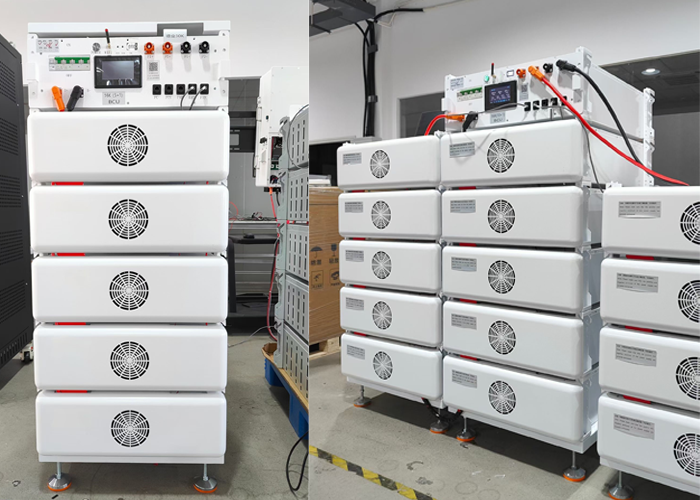
15kWh 48V 300Ah Server Rack Lithium Battery for Home Solar Energy Storage
48V 300Ah 15KWh Server Rack Battery bank
This 15kWh 51.2V 300Ah lithium server rack battery bank uses high-quality Grade A LiFePO4 cells to deliver long service life, strong safety performance, and a practical design suited for modern energy storage systems.With a 51.2V nominal voltage, the battery works smoothly with most 48V hybrid inverters. As a result, it fits well in home solar storage systems, off-grid installations, and backup power applications.In addition, the system supports parallel connection of up to 16 units, which allows users to expand capacity as their energy needs grow. It also provides more than 6,000 deep charge cycles, built-in WiFi and Bluetooth for remote monitoring, and an integrated fire suppression system. Together, these features make it a reliable and scalable energy solution for both residential and commercial use.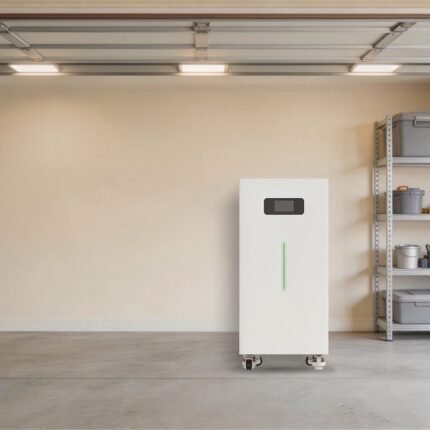
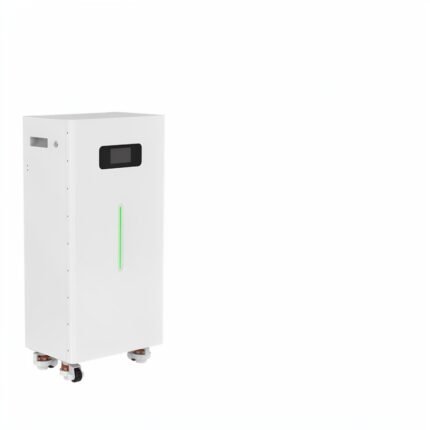
16.08kWh Mobile LiFePO4 Energy Storage Battery | 51.2V 314Ah IP65 Modular ESS with Wheels for Residential & Commercial
CMX Battery 51.2V 314Ah 16.08 kWh home energy storage battery — factory-direct from a LiFePO4 battery manufacturer and OEM/ODM partner, supplied wholesale and in bulk with private-label options.
- Performance: 6,000+ cycles @ 80% DoD with Grade A automotive cells and smart BMS protection; 5–10 year warranty.
- Compliance: Certified to CE, RoHS, UN38.3 and IEC62619 (UL available); CAN / RS485 / RS232 for inverter and EMS integration.
- Best for: Residential solar self-consumption; Off-grid and hybrid homes; Backup power during outages.


16kWh 48V 320Ah Lithium Battery for Solar Home Energy Storage
Battery Type: 48V 320Ah Grade A LiFePO4 Cells
Cycle Life: >9000 Cycles (@25°C, 80% DOD)
IP Rating: IP65 Water & Dust Protection
Communication Protocols: RS485 / CAN
Display: Touch Screen LCD
Dimensions: 850(with wheels)*453*240mm34.4(with wheels)*17.7*9.5inch
Mobility: Equipped with 4 Universal Roller Wheels
Application: Residential Solar Storage, Backup Power, Off-grid, Hybrid Systems, Commercial Use


1KWh 2KWh Portable Power Station for home backup outdoor
1KWH 2KWh Portable Power Station for Home Backup Outdoor
The 1kWh portable power station lithium battery uses durable LiFePO4 cells to deliver safe backup power for camping, travel, and emergencies. Lightweight and solar-compatible, it’s an excellent portable power station for camping or powering small devices and a camping fridge on short trips.The 2kWh portable power station lithium battery features a pure sine wave inverter and larger capacity, ideal for fridges, CPAP, tools, or eBikes. As a solar-powered portable power station, it provides clean and quiet energy for blackouts, RVs, and off-grid use.Both models are designed for reliability and affordability, with options ranging from individual units to portable power station wholesale supply, making them a practical choice for home backup and outdoor power.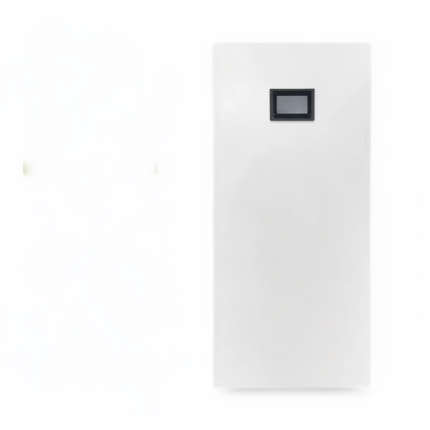
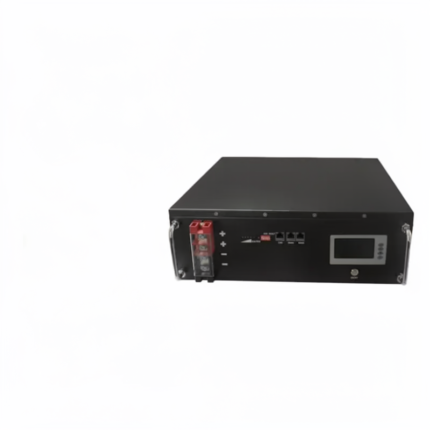
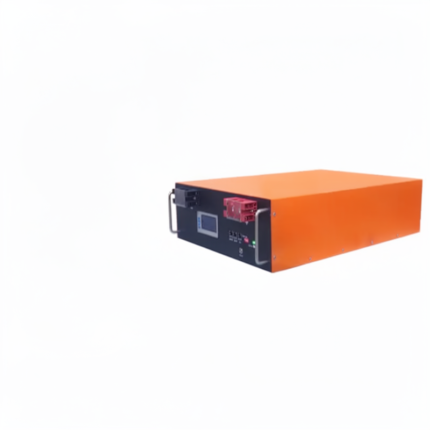
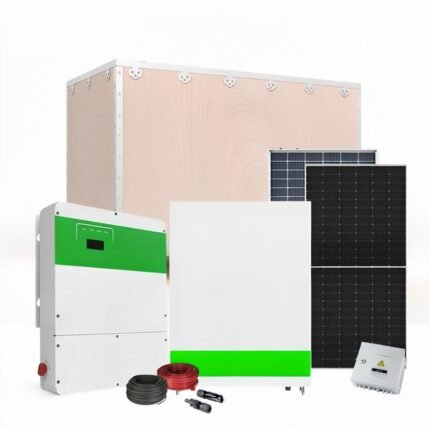
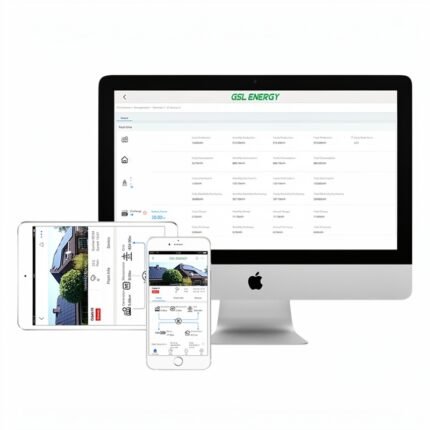
2022 New CMX Battery Hybrid Inverter Solar Energy Systems 5Kwh 10Kwh 20Kwh 30Kwh
CMX Battery 5 kWh hybrid solar inverter — factory-direct from a LiFePO4 battery manufacturer and OEM/ODM partner, supplied wholesale and in bulk with private-label options.
- Performance: 6,000+ cycles @ 80% DoD with Grade A automotive cells and smart BMS protection; 5–10 year warranty.
- Compliance: Certified to CE, RoHS, UN38.3 and IEC62619 (UL available); CAN / RS485 / RS232 for inverter and EMS integration.
- Best for: Home solar and storage systems; Off-grid cabins and RVs; Telecom and remote sites.


230V 1000W off grid hybrid Micro inverter with battery storage
230V 1000W off grid hybrid micro inverter
The 230V 1000W off grid hybrid micro inverter with battery storage is an advanced residential solar energy solution that integrates PV input, battery storage, AC coupling, and on/off-grid switching in a single compact system.By combining multiple functions, it helps homeowners lower electricity bills, reduce reliance on the grid, and enjoy reliable backup power when needed.This 230V 1000W micro inverter off grid system offers full flexibility, allowing you to configure different operation modes according to your energy needs. With remote Wi-Fi and local monitoring via APP, you can easily track inverter status, optimize energy usage, and enjoy true energy independence.

230V 800W on off grid hybrid Micro inverter with battery storage
Micro Inverter Model: EG-HX800
This 230V 800W on off grid hybrid micro inverter with battery storage is a versatile solution that supports both grid-tied and off-grid operation.In on-grid mode, it synchronizes with the utility grid to power household loads directly from solar panels and can export surplus electricity to the grid. In off-grid mode, it stores excess energy in a 48V lithium battery and delivers up to 800W of reliable AC power during outages.The 230V 800W on off grid hybrid micro inverter with battery storage helps lower energy bills, maximize solar usage, and provide seamless backup power when you need it most.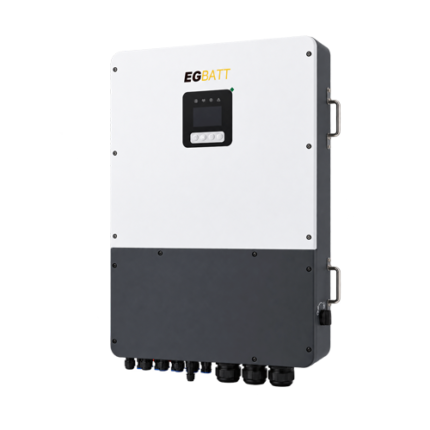
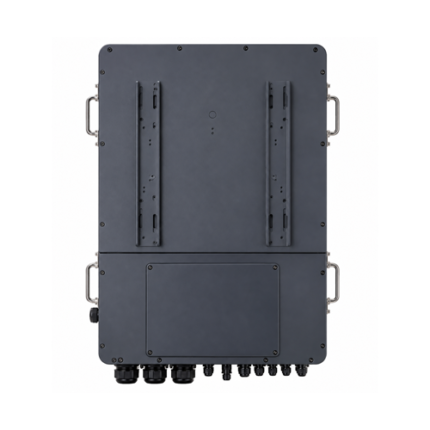
30-70kW Commercial Hybrid Inverter for 208V and 480V Three-Phase Systems
- 4 MPPTs and 8 PV inputs for flexible commercial array design
- Dual 100A battery channels for high-power charging and discharging
- <20ms EPS transfer for correctly sized critical-load backup
- Up to 6 units in parallel for scalable on-grid and off-grid systems
- IP66 outdoor enclosure with AC coupling and optional generator integration
Before choosing a model, use our 208V vs 480V commercial hybrid inverter selection guide to compare service voltage, load sizing, battery compatibility, PV string design and backup requirements.
How do I specify an off-grid battery system?
Step 1: Measure the real daily load
List every load with its watts and hours. A measured load profile beats an estimate — the difference is usually 20–30%.
Step 2: Choose autonomy days from the weakest month
Size from the worst solar month and your real consumption, with generator backup for extremes. Typical is 2–3 days.
Step 3: Convert to bank capacity
Daily kWh × autonomy days ÷ usable DoD. At 90% DoD, 5 kWh/day × 2 days = 11.1 kWh.
Step 4: Size the PV array to refill it
Array should deliver 1.2–1.5× daily kWh in one good sun day; MPPT controller sized to array current.
Step 5: Pick the inverter/charger
Pure sine, off-grid type with generator input; continuous kW must cover simultaneous loads plus motor surge.
Step 6: Add monitoring
Keep visibility on state of charge so you manage reserves instead of discovering an empty bank.
How CMX Battery builds it
Solutions are where product lines meet an application — backup, off-grid, peak shaving or telecom. We specify the cell chemistry, capacity, inverter and controls as one system, then document the design so your team can deploy and service it.
Certifications & compliance
- UN38.3 — Mandatory lithium battery transport test (altitude, thermal, vibration, shock, external short). Required for any cross-border shipment.
- IEC62619 — International safety standard for industrial Li-ion cells and batteries; expected by EU and most APAC buyers.
- CE — EU declaration of conformity for the applicable directives.
- RoHS — Restriction of hazardous substances in the battery and BMS.
- IP65 — Dust-tight and low-pressure water-jet resistant — suitable for outdoor enclosures.
Frequently asked questions
How many days of autonomy should I design for?
From your weakest solar month and load; we model it, and it is usually 2–3 days plus a generator. Covering a five-day storm in batteries alone typically costs more than a generator that runs a few dozen hours a year.
Do I still need a generator off-grid?
Most remote sites keep one for extended cloudy stretches. It is the cheapest way to cover the statistical tail — sizing for the worst case in batteries alone is rarely economic.
Why LiFePO4 rather than lead-acid for daily cycling?
Deep daily DoD and 2,000–5,000 cycles make it the economical daily-cycling bank. Lead-acid restricted to 50% DoD means buying roughly twice the nameplate capacity and still replacing it far sooner.
Can I expand the system later?
Yes — parallel modules or add arrays as needs change. We design the busbar and BMS architecture for expansion from the start so added strings match the existing bank.
What happens in freezing temperatures?
LiFePO4 must not be charged below 0 °C. Our packs include a low-temperature charge cut-off, and for unheated sites we specify an insulated enclosure or self-heating option.
Related products & resources
- Whole-Home Backup
- Battery Sizing Calculator & Method
- LiFePO4 vs Lead-Acid Comparison
- Battery Certification Guide
- Custom Pack Capabilities
More in this series
- Energy Storage Solutions & Applications
- Whole Home Battery Backup
- Peak Shaving Battery Systems
- Telecom & UPS Battery Backup
- UPS Lithium Battery Solutions
Charging EVs from an off-grid bank
Many off-grid sites now have to charge vehicles as well as run loads. For that duty cycle CMX builds a purpose-made 360kW off-grid DC fast charger — a towable 522.4kWh mobile EV charging robot that delivers dual-gun CCS2 fast charging with no grid connection and no fixed infrastructure.
Talk to an application engineer
Send us your voltage, capacity, dimensions, certification target and annual volume. Our engineering team returns a proposal within three working days.
Request a LiFePO4 quote
Tell us your product, volume and specs — our engineering team returns a proposal within three working days.