

UPS Lithium Battery Solutions
Quick answer: Swapping a VRLA string for LiFePO4 in a UPS is usually a battery change, not a redesign — the bank voltage and charge window are matched to the existing UPS. The gains are concrete: 2,000–5,000 cycles vs ~500 for VRLA, roughly half the weight, faster recharge after an event, and a smaller footprint for the same runtime. Best for data centres, industrial UPS and critical commercial loads where battery TCO and rack load matter.” To turn a runtime target into a capacity, use our LiFePO4 battery sizing calculator.
Key facts at a glance
- Cycle life: 2,000–5,000 cycles vs ~500 for VRLA — 4–10× the battery service life.
- Weight: approximately half the weight of an equivalent VRLA string.
- Recharge: faster after an outage, shortening the window before the next event.
- Footprint: less rack space for the same runtime.
- Match required: bank voltage exact; charge window tuned to the UPS charger.
- TCO: lower over the life, despite higher upfront cost.
What is a UPS lithium battery solution?
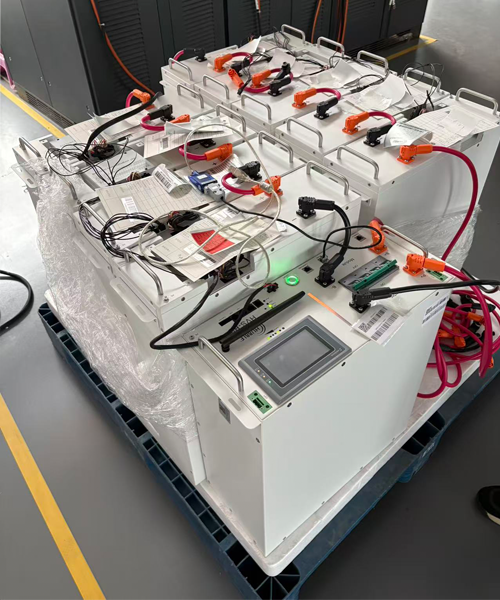
CMX Battery UPS lithium solutions swap the valve-regulated lead-acid (VRLA) string in an uninterruptible power supply for a LiFePO4 bank tuned to the UPS’s charge window. The gains are concrete: 2,000–5,000 cycles vs ~500 for VRLA, roughly half the weight (easier rack load and handling), faster recharge after an event, and a smaller footprint for the same runtime. We match voltage and charge profile to the UPS and confirm any BMS communication it expects, so the swap is a battery change, not a redesign. Best for data, industrial and critical-commercial loads where battery TCO and footprint matter.
How does LiFePO4 compare to VRLA in a UPS?
In most cases this is a battery swap rather than a redesign — matched to the UPS voltage and charge profile. The comparison below is what actually changes on site.
| Parameter | VRLA string | LiFePO4 replacement |
|---|---|---|
| Cycle life | ~500 | 2,000–5,000 |
| Weight | Baseline | ≈ 1/2 |
| Recharge | Slow after an outage | Faster |
| Footprint | Full rack | Less for the same runtime |
| TCO | Replaced more often | Lower over the life |
We confirm any BMS communication your UPS expects before the swap — some UPS generations poll the string for health data and will alarm if they cannot see it.
How much runtime will I actually get?
Runtime is energy ÷ load, with the usual caveat that UPS efficiency (typically 92–96% at part load) and battery discharge rate both eat into the nameplate figure. High discharge rates reduce usable capacity, so short-runtime UPS duty is where C-rate matters most.
| Load | On 3 kWh | On 6 kWh |
|---|---|---|
| 1 kW | ~3 h | ~6 h |
| 3 kW | ~1 h | ~2 h |
| 6 kW | ~30 min | ~1 h |
What has to match?
Does the voltage have to match exactly?
Yes — the bank voltage must be matched exactly to the UPS string. A 16S LiFePO4 pack (51.2 V nominal) sits inside the charge window of a 48 V VRLA string, which is why most swaps are straightforward.
What about the charge profile?
The charge window is tuned to the UPS charger, with BMS communication if required. VRLA chargers use a float voltage that LiFePO4 does not want held indefinitely, so the BMS or a charge-profile setting handles the difference.
How is battery health reported?
Health reporting to the UPS or your own BMS. Where the UPS expects a string-monitoring signal, we map the BMS data to it so the front panel keeps working.
Typical applications
| Application | What it means for the design |
|---|---|
| Data centres | Critical runtime — weight per rack and recharge speed matter most |
| Industrial UPS | Harsh duty — wide temperature tolerance and vibration resistance |
| Medical and labs | Always-on — monitored state of health and predictable replacement intervals |
| Commercial critical loads | Lower TCO — the cycle-life gap is the whole business case |
UPS lithium replacements

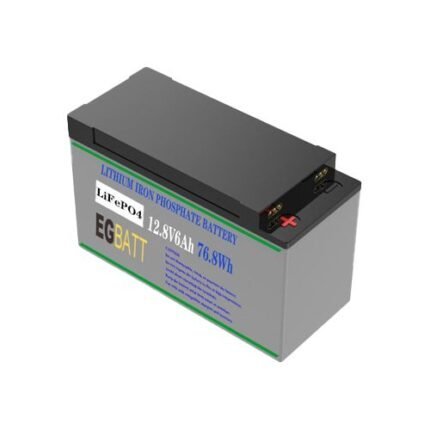
12V 6Ah UPS Lithium Battery
12V 6Ah LiFePO4 Lithium Battery for UPS Backup
Compact and powerful, this 12V 6Ah LiFePO4 lithium battery delivers 76.8Wh of reliable energy for 0.5KVA UPS systems. It features a 7.5C max discharge rate (45A), enabling instant high current for critical loads. The built-in smart BMS ensures safety with protection against overcharge, over-discharge, short circuit, and extreme temperatures.Weighing just 1kg and measuring 150×68×94mm, it’s over 60% lighter than traditional lead-acid batteries. With fast charging, low self-discharge, and convenient MR30 plug-and-play terminals, it’s an ideal choice for compact, high-performance UPS backup power applications.Model: EG-1206A
- Type: UPS Lithium 12V 6Ah Battery
- Chemistry: LiFePO4 Cells
- Rated Voltage: 12.8V
- Rated Capacity: 6Ah
- Energy: 76.8Wh
- Max Discharge Current: 45A (7.5C)
- Best Match: UPS ≤ 0.5KVA
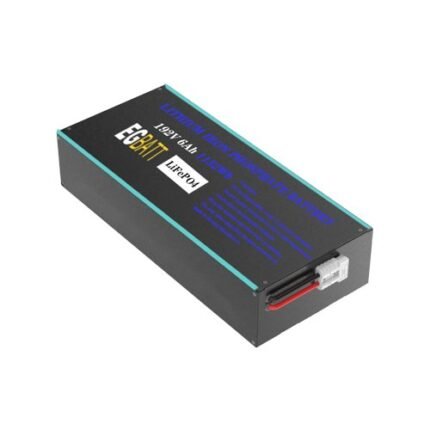
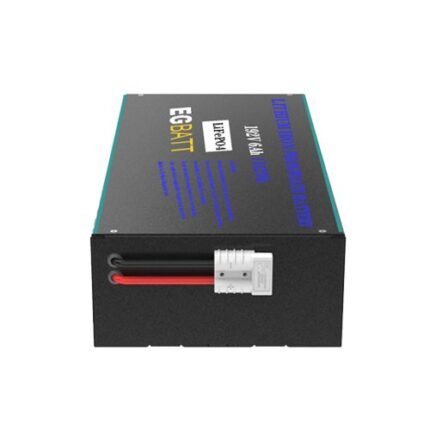
180V 6Ah 7.5C High-Rate UPS LiFePO4 Lithium Battery for 8KVA UPS system
180V 6Ah UPS Lithium battery with 7.5C Discharge for 8KVA Power output backup
The 180V 6Ah UPS Lithium Battery is built with Grade A LiFePO4 cells, offering exceptional stability, long life, and high safety standards. Designed for rack-mounted UPS systems up to 8KVA, it ensures fast response and reliable backup in mission-critical environments like data centers, server rooms, and telecom systems.This 180V 6Ah lithium iron phosphate battery supports up to 7.5C high-rate discharge and features an advanced BMS with full protection. With a compact 3U design and over 10 years of calendar life, it’s the ideal replacement for bulky lead-acid systems—offering higher efficiency, lighter weight, and smarter performanceModel: EG-18006A
- Type: UPS Lithium 192V 6Ah Battery
- Chemistry: LiFePO4 Cells
- Rated Voltage: 192V
- Rated Capacity: 6Ah
- Energy: 1152Wh
- Max Discharge Current: 45A
- Best Match: UPS ≤ 8KVA
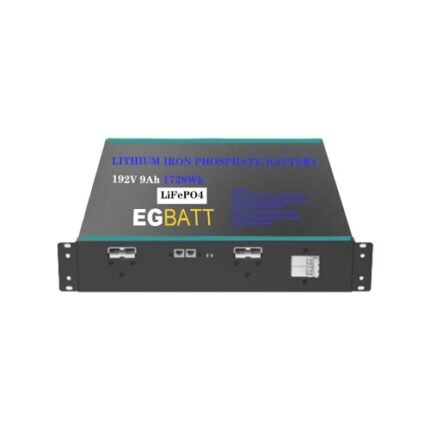
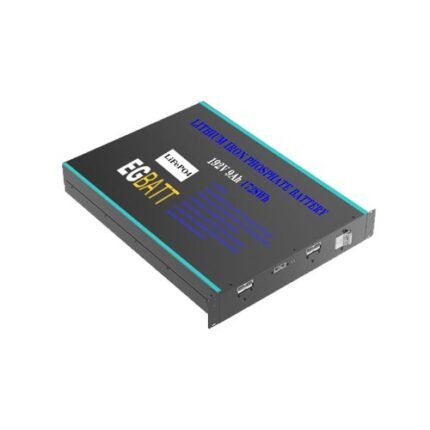
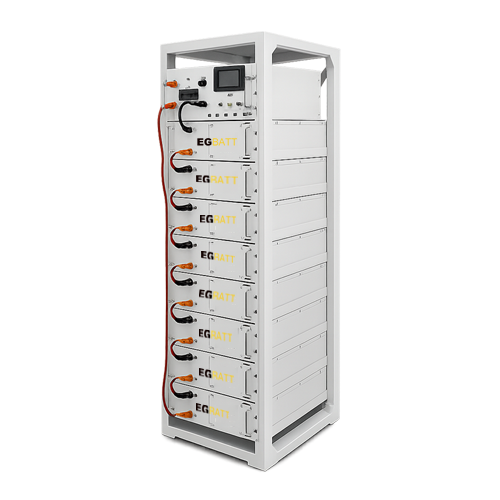
180V 9Ah Output Power 12KVA LiFePO4 UPS lithium Battery
180V 9Ah UPS Lithium battery with 7C Discharge for 12KVA Power output backup
The 180V 9Ah UPS Lithium Battery is built with Grade A LiFePO4 cells, offering exceptional stability, long life, and high safety standards. Designed for rack-mounted UPS systems up to 12KVA, it ensures fast response and reliable backup in mission-critical environments like data centers, server rooms, and telecom systems.This 180V 9Ah lithium iron phosphate battery supports up to 7C high-rate discharge and features an advanced BMS with full protection. With a compact 2U design and over 10 years of calendar life, it’s the ideal replacement for bulky lead-acid systems—offering higher efficiency, lighter weight, and smarter performanceModel: EG-18009A
- Type: UPS Lithium 192V 9Ah Battery
- Chemistry: LiFePO4 Cells
- Rated Voltage: 192V
- Rated Capacity: 9Ah
- Energy: 1728Wh
- Max Discharge Current: 63A
- Best Match: UPS ≤ 12KVA
- Easy Expansion: supports up to 8 battery packs in parallel.
- Dimensions (L x W x H):650*438*88MM
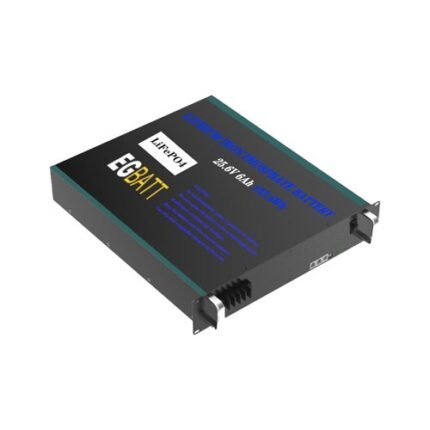
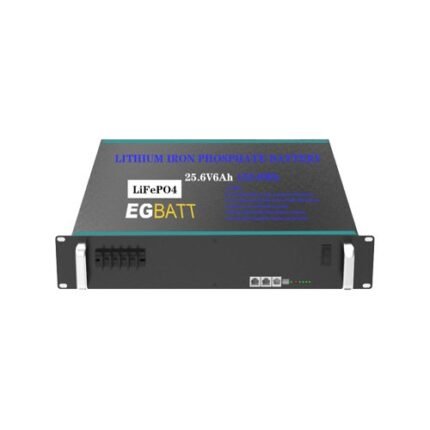
24v 6Ah UPS LiFePO4 lithium battery for 1KVA output power
24V 6Ah UPS Lithium Battery with LiFePO4 Grade A Cells for UPS power
Our 24V 6Ah UPS lithium battery is built with LiFePO4 Grade A cells, delivering reliable 153.6Wh backup power for 1KVA UPS systems. It supports up to 7.5C high-rate discharge, making it ideal for critical backup loads. With a smart BMS, compact size, and long cycle life, this 24V 6Ah UPS Lithium battery is a perfect replacement for traditional lead-acid batteries, offering better performance, safety, and efficiency.As a direct factory supplier, we provide this 24V 6Ah UPS lithium battery at competitive bulk order prices. Whether for data centers, office equipment, or industrial UPS applications, this high-quality 24V 6Ah Lithium battery ensures stable power and easy system integration. OEM branding and fast delivery available.Model: EG-2406A
- Type: UPS Lithium 24V 6Ah Battery
- Chemistry: LiFePO4 Cells
- Rated Voltage: 25.6V
- Rated Capacity: 6Ah
- Energy: 153.6Wh
- Max Discharge Current: 45A (7.5C)
- Best Match: UPS ≤ 1KVA
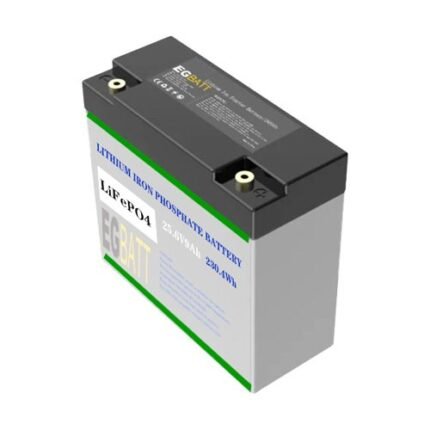
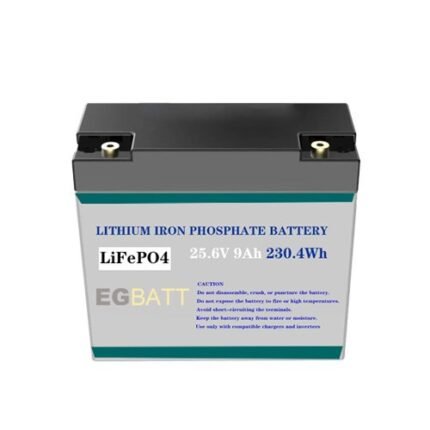
24v 9Ah UPS LiFePO4 lithium battery for 1.5KVA output power
24V 9Ah UPS Lithium Battery with LiFePO4 Grade A Cells for UPS power
Our 24V 9Ah UPS lithium battery is built with LiFePO4 Grade A cells, delivering reliable 230.4Wh backup power for 1.5KVA UPS systems. It supports up to 7C high-rate discharge, making it ideal for critical backup loads. With a smart BMS, compact size, and long cycle life, this 24V 9Ah UPS Lithium battery is a perfect replacement for traditional lead-acid batteries, offering better performance, safety, and efficiency.As a direct factory supplier, we provide this 24V 9Ah UPS lithium battery at competitive bulk order prices. Whether for data centers, office equipment, or industrial UPS applications, this high-quality 24V 9Ah Lithium battery ensures stable power and easy system integration. OEM branding and fast delivery available.Model: EG-2409A
- Type: UPS Lithium 24V 9Ah Battery
- Chemistry: LiFePO4 Cells
- Rated Voltage: 25.6V
- Rated Capacity: 9Ah
- Energy: 230.4Wh
- Max Discharge Current: 63A (7C)
- Best Match: UPS ≤ 1.5KVA
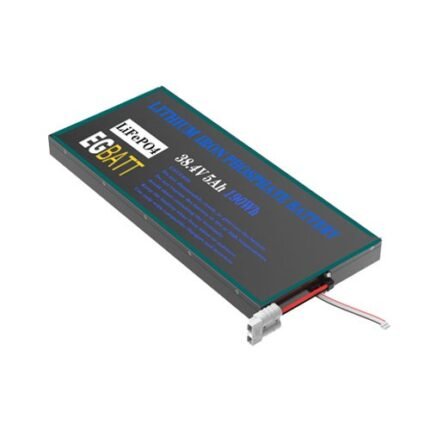
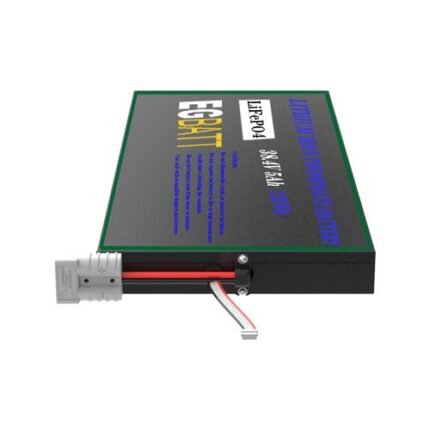
36V 5Ah UPS Lithium LiFePO4 battery 12C high rate discharge
36V 5Ah UPS Lithium Battery for UPS system
This EG-3605A 36V 5Ah UPS lithium battery is designed for 1U rack-mounted UPS systems, delivering stable 192Wh of energy with high-efficiency LiFePO4 cells. Its compact 35mm height and light 5.1kg weight make it a perfect fit for space-limited, high-performance backup power needs.With support for 12C high-rate discharge (up to 60A), this battery ensures fast and reliable power output during sudden load demands. Built-in smart BMS, RS232/RS485 communication, and advanced safety features make it a superior replacement for traditional lead-acid batteries in data centers, IT rooms, and medical systems.Model: EG3605A- Voltage & Capacity: 38.4V, 5Ah (192Wh)
- Cell Type: Safe and stable LiFePO4 cells
- Discharge Rate: Supports up to 12C high-rate discharge, max 60A
- Dimensions: 470 × 207 × 35 mm
- Design: Lightweight, compact UPS lithium battery for 1U rack installation
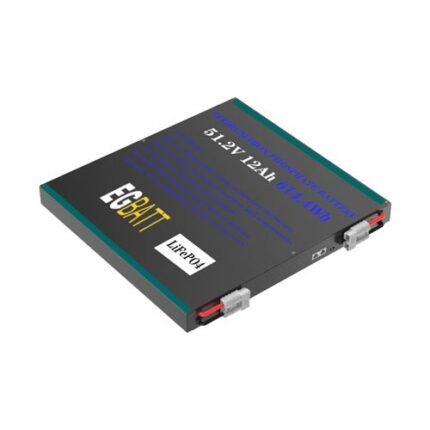
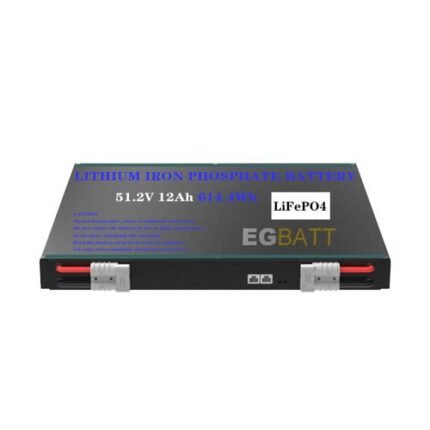
48V 12Ah UPS Lithium battery 7C high rate discharge for 4KVA UPS
48V 12Ah Lithium UPS Battery 7C High-Rate Output for 4KVA Systems
This external 48V 12Ah lithium battery is specially designed for 1U rack-mounted high-rate UPS systems up to 4KVA. Featuring premium LiFePO4 cells, compact dimensions (418×438×43mm), and a lightweight 12kg design, it delivers stable performance and efficient power backup for critical applications like data centers, medical equipment, and corporate IT rooms.Equipped with a smart BMS and RS232/RS485 communication interfaces, the battery offers 7C high-rate discharge, full protection against overcharge, over-discharge, short circuit, and over-temperature. With a long lifespan (10+ years), easy parallel expansion (up to 8 packs), and quick backup time of 8–15 minutes, it’s a reliable upgrade from traditional lead-acid batteries.Model: EG4812A- Nominal Voltage: 48V
- Nominal Capacity: 12Ah
- Energy: 576Wh
- Self Discharge: <1% per month
- Recommended UPS Match: ≤4KVA
- Dimensions (L x W x H): 418*438*43mm
- Weight: 12kg
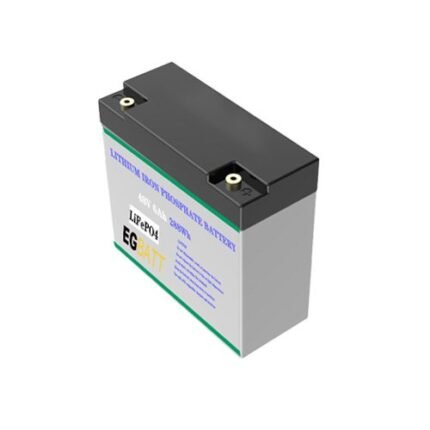
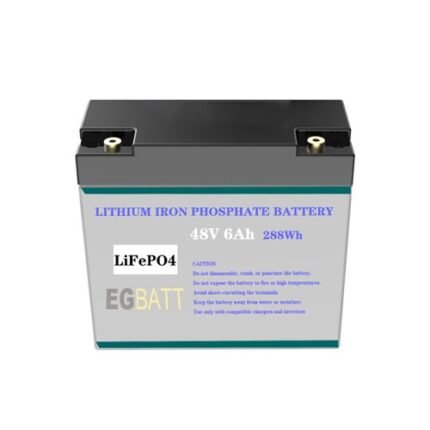
48V 6Ah UPS Lithium Battery for 2KVA Power Backup System
- The 48V 6Ah UPS lithium battery is a compact, lightweight, and high-efficiency power source built for 2KVA UPS systems. Designed to replace traditional lead-acid batteries,
- This LiFePO4-based battery delivers stable performance, enhanced safety, and long service life.
- It supports up to 7C high-rate discharge and features intelligent BMS with full protection functions, ensuring reliability in critical backup applications.
How do I specify a UPS lithium replacement?
Step 1: Read the existing string specification
Match the LiFePO4 bank’s voltage and charge window exactly to the UPS — note nominal string voltage and float voltage.
Step 2: Confirm BMS communication
Confirm any BMS communication the UPS expects for health reporting, so the front panel and alarms keep working.
Step 3: Size runtime from load and bridge time
Size runtime from the load and the seconds or minutes of bridge you need — plus the generator start time if there is one.
Step 4: Check mechanical fit and weight
Confirm rack dimensions and that the reduced weight does not change seismic or floor-loading assumptions.
Step 5: Compare TCO over battery life
Compare TCO over the battery life, not just upfront cost, vs VRLA — include the replacement labour you avoid.
How CMX Battery builds it
Solutions are where product lines meet an application — backup, off-grid, peak shaving or telecom. We specify the cell chemistry, capacity, inverter and controls as one system, then document the design so your team can deploy and service it.
Certifications & compliance
- UN38.3 — Mandatory lithium battery transport test (altitude, thermal, vibration, shock, external short). Required for any cross-border shipment.
- IEC62619 — International safety standard for industrial Li-ion cells and batteries; expected by EU and most APAC buyers.
- UL1973 — North American safety standard for stationary lithium battery systems.
- CE — EU declaration of conformity for the applicable directives.
- RoHS — Restriction of hazardous substances in the battery and BMS.
- IP65 — Dust-tight and low-pressure water-jet resistant — suitable for outdoor enclosures.
Frequently asked questions
Can I drop LiFePO4 into my existing UPS?
Yes, matched to the UPS voltage and charge profile — often a battery swap, not a redesign. We confirm BMS communication before quoting.
How many cycles does a UPS lithium battery last?
2,000–5,000 cycles vs ~500 for VRLA. In standby duty the practical difference is 8–10+ years of service instead of 3–5.
How much weight does it save?
Roughly half the weight, which is easier on the rack and to handle — often the deciding factor in raised-floor data centres.
Does it recharge faster after an outage?
Yes — shorter exposure window after an outage, which matters when events come in clusters or the generator start is slow.
What if my UPS expects battery health data?
We map the BMS output to the protocol your UPS expects, so front-panel status and alarms continue to work as before.
Related products & resources
- UPS Lithium Battery Buying Guide
- Telecom & UPS Standby
- LiFePO4 vs Lead-Acid Comparison
- Cost per kWh Explained
- Custom Pack Capabilities
More in this series
- Energy Storage Solutions & Applications
- Whole Home Battery Backup
- Off-Grid Solar Battery Systems
- Peak Shaving Battery Systems
- Telecom & UPS Battery Backup
Talk to an application engineer
Send us your voltage, capacity, dimensions, certification target and annual volume. Our engineering team returns a proposal within three working days.
Request a LiFePO4 quote
Tell us your product, volume and specs — our engineering team returns a proposal within three working days.