
Battery Guides & Resources
Quick answer: CMX Battery’s resource library covers the decisions that decide whether a battery project works — chemistry, sizing, certification, true cost, pack building and supplier vetting — plus the product lines those decisions lead to, from Grade-A cells to C&I containers. Everything here is written by the engineers who grade the cells and build the packs.
Good procurement decisions need real information. CMX Battery’s guides are written by the engineers who grade the cells and build the packs, to help importers, installers and procurement specifiers choose with confidence.
Product lines we engineer
Every CMX Battery solution is built from these core product lines — specified, graded and assembled under one quality system. Pick a line to see the full range.
- LiFePO4 Cells — Grade-A prismatic and cylindrical cells, 50–340 Ah, matched batches. Explore →
- Battery Modules — rack and wall-mounted modules, 12 V–48 V, drop-in LiFePO4. Explore →
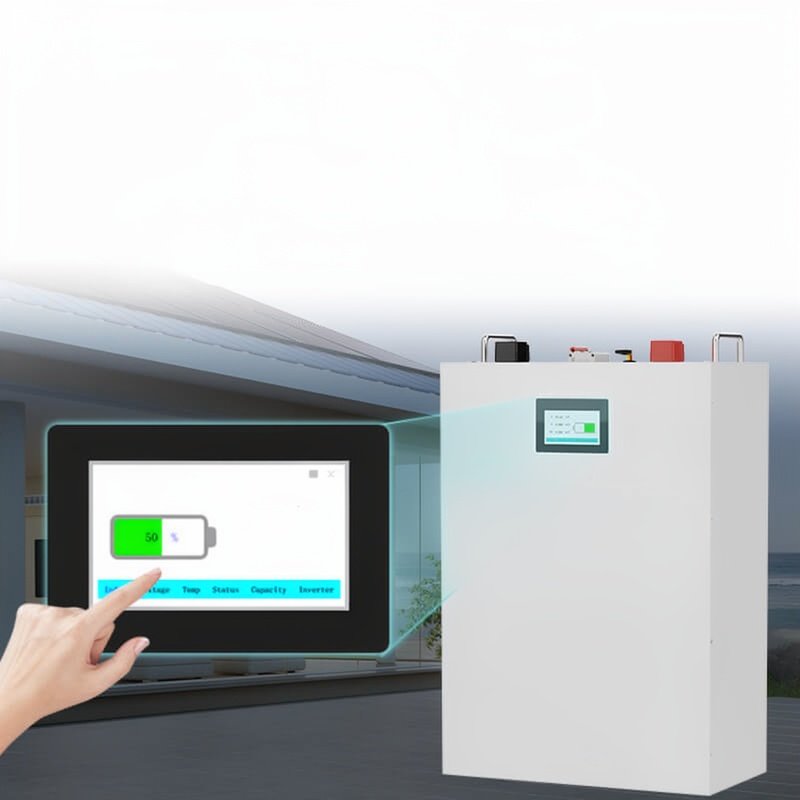
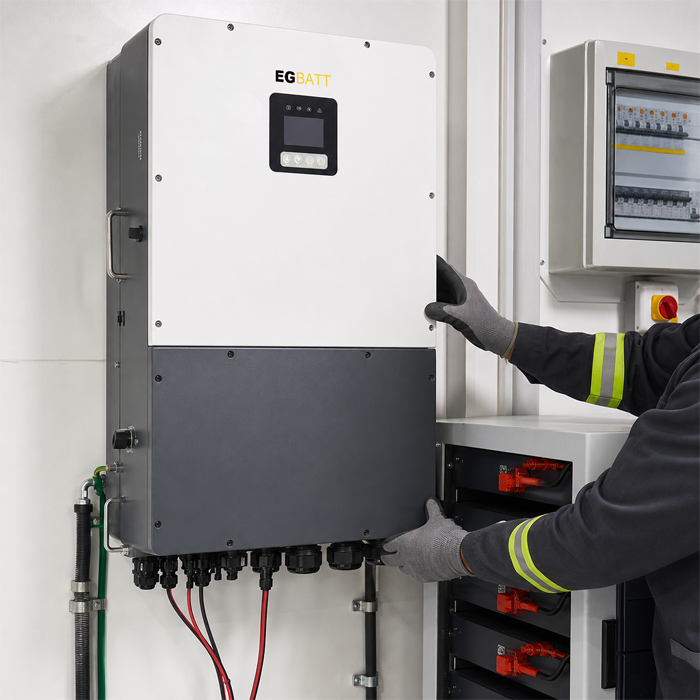
- Residential ESS — all-in-one home storage, 5–20 kWh, hybrid-ready. Explore →
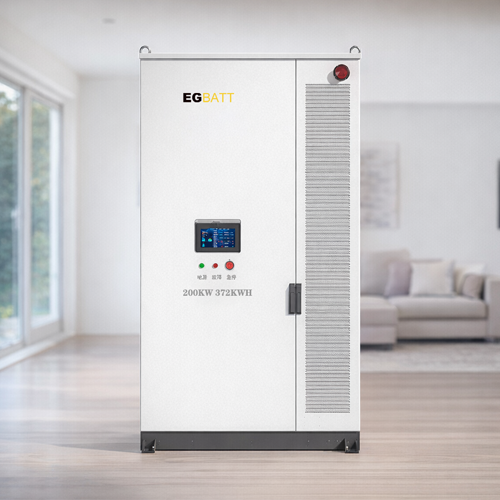
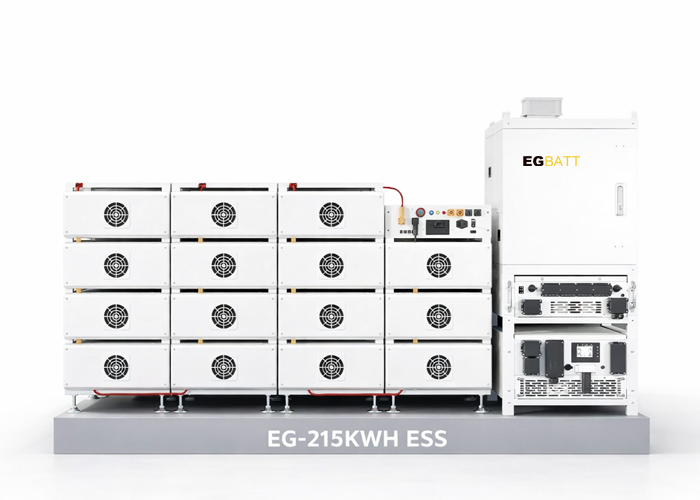
- C&I ESS — cabinet and container systems, 100 kWh–MWh, liquid-cooled options. Explore →
- Portable & Specialty — power stations, marine, RV, golf-cart and low-temperature packs. Explore →
- Inverters — hybrid inverters and inverter-chargers, MPPT, grid-tie/off-grid. Explore →
- BMS — smart BMS with RS485/CAN communication, balancing and protection. Learn how a BMS works →
Battery guides: what is in the library?
The pages in this library are the knowledge base behind our products: honest comparisons (LiFePO4 vs lead-acid), the method to size a battery, what the alphabet soup of certifications actually means, what drives $/kWh, how a pack is built, and how to vet a manufacturer. They are written to help importers, installers and procurement specifiers make defensible choices — not to chase a keyword. Use them alongside the product range; if you still have a question, the FAQ and RFQ pages are the next step.
| Guide | What it answers | Start here if… |
|---|---|---|
| LiFePO4 vs Lead-Acid | Cycle life, usable DoD, weight and true lifetime cost | You are still deciding on chemistry |
| Battery Sizing Method | Load list → kWh → DoD → autonomy → inverter sizing | You know the chemistry but not the size |
| Certifications Explained | UN38.3, IEC 62619, UL 1973, UL 9540A, CE, RoHS | You are importing or installing across borders |
| Cost per kWh | What drives pack price and how to compare quotes | You are comparing supplier quotes |
| How to Build a Pack | Topology, cell matching, BMS, busbars, validation | You build in-house or specify a custom pack |
| Evaluating Manufacturers | Evidence checklist and red flags | You are shortlisting suppliers |
Deeper technical articles: how a BMS works, LiFePO4 vs NMC, 12 V vs 48 V, cycle life and degradation, sizing a battery bank, shipping, storage and maintenance, and the OEM & ODM process. For a by-market breakdown, use our certificate requirement checker.
How to specify & buying guide
- Start from the job — chemistry, size, certification — before choosing a product.
- Use the sizing and certification guides to build your requirement sheet.
- Apply the manufacturer evaluation guide to any shortlist, including us.
- Bring the result to an RFQ for a real proposal.
Engineering & manufacturing at CMX Battery
Our guides are written by the same engineering team that grades the cells and builds the packs. They are meant to help importers, installers and procurement specifiers make defensible decisions — not to rank for a keyword.
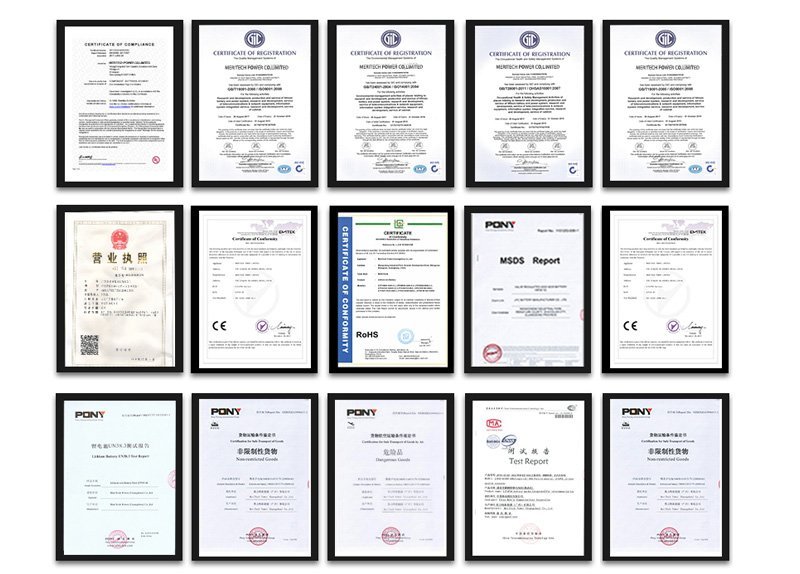
Certifications & compliance
- UN38.3 — mandatory lithium battery transport test (altitude, thermal, vibration, shock, external short). Required for any cross-border shipment.
- IEC 62619 — international safety standard for industrial Li-ion cells and batteries; expected by EU and most APAC buyers.
- UL 1973 — North American safety standard for stationary lithium battery systems.
- UL 9540A — fire safety test method for ESS installations; often required by US authorities having jurisdiction.
- CE — EU declaration of conformity for the applicable directives.
- RoHS — restriction of hazardous substances in the battery and BMS.
Frequently asked questions
Who writes these guides?
The CMX Battery engineering team that grades the cells and builds the packs — the same engineers who answer our RFQ inbox.
Are they biased toward your products?
We state trade-offs honestly, including when LiFePO4 is not the right call — for example rare, shallow standby duty where lead-acid still wins on price.
Which guide do I start with?
Chemistry comparison if you are unsure, sizing if you know the chemistry, certification if you are exporting.
Can I ask a specific question?
Yes — send it with your RFQ and our engineering team will respond directly. The FAQ and RFQ pages are the next step.
Related products & resources
Request a LiFePO4 quote
Tell us your product, volume and specs — our engineering team returns a proposal within three working days. Or review our custom pack capabilities.