

LiFePO4 Shipping, Storage & Safe Maintenance
Quick answer: Lithium batteries ship as UN3480 (batteries alone) or UN3481 (packed with or contained in equipment) under Class 9 dangerous-goods rules, and must travel at roughly 30% state of charge with UN-approved packaging, correct marking and a UN 38.3 test summary. Store them around 50% state of charge in a cool, dry, ventilated place away from combustibles. In service, LiFePO4 needs almost no maintenance — inspect terminals and ventilation, keep firmware current and check cell-voltage spread via the BMS.
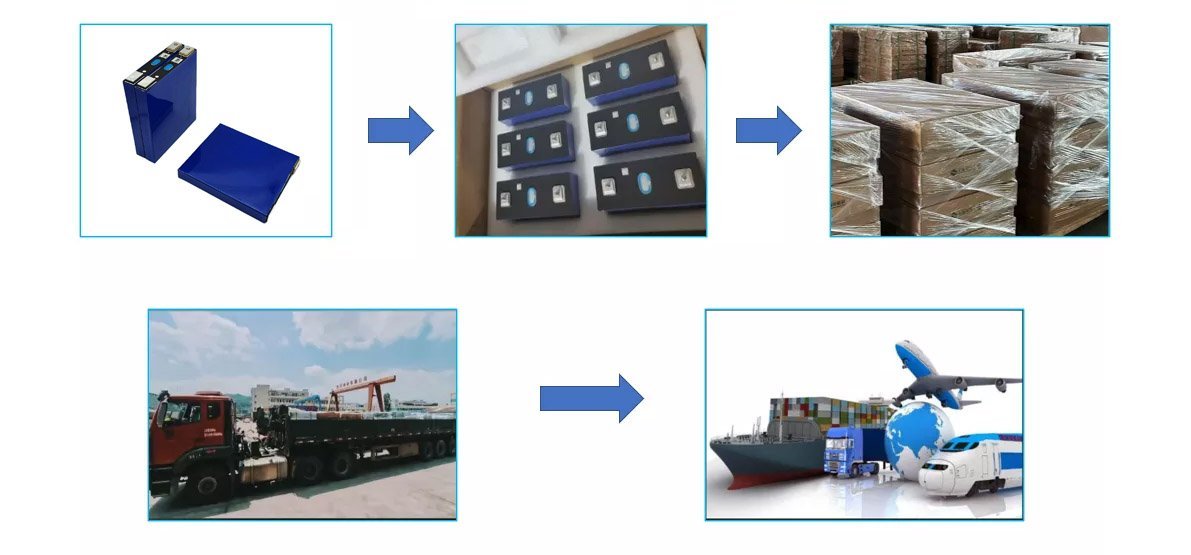
- UN numbers: UN3480 (battery alone), UN3481 (with or inside equipment); Class 9
- Shipping SoC: about 30% for air and sea transport
- Required test: UN 38.3 test summary must accompany the consignment
- Storage SoC: around 50%, 15–25 °C, dry and ventilated
- Service check: inspect terminals and monitor cell-voltage spread; no watering, no equalisation
How are lithium batteries shipped?
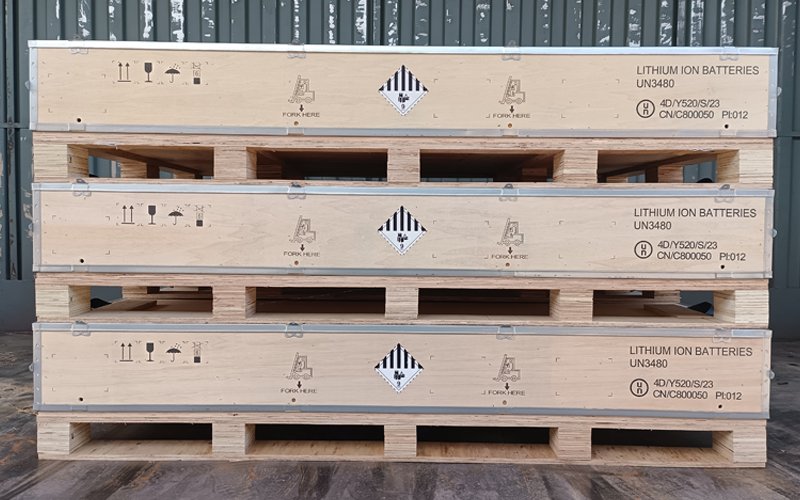
As dangerous goods of Class 9. The applicable UN number depends on how the cells are packed: UN3480 for batteries shipped on their own, UN3481 for batteries packed with equipment or installed in equipment. Air freight, sea freight and road each have their own packing instructions, quantity limits and documentation, and the consignment needs UN-approved packaging, Class 9 labelling and a UN 38.3 test summary.
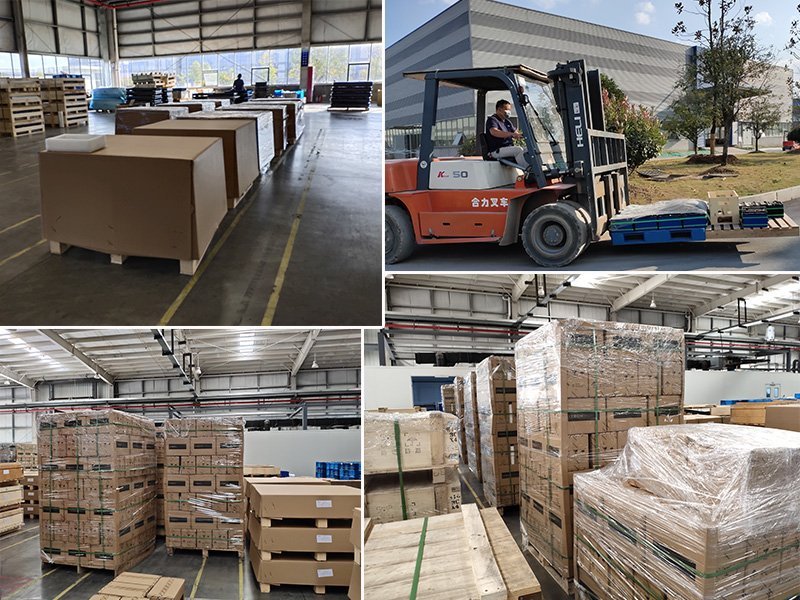
State of charge for shipping and storage
| Situation | Recommended SoC | Why |
|---|---|---|
| Air or sea freight | ≈ 30% | Regulatory requirement; limits energy available in a fault |
| Long-term storage | ≈ 50% | Slowest calendar ageing; avoids both deep discharge and high-SoC stress |
| Before first commissioning | Charge to 100% once | Lets the BMS calibrate state of charge and balance cells |
| Seasonal equipment (RV, boat) | 50–80%, recheck every 3–6 months | Covers BMS quiescent draw and self-discharge |
How should lithium batteries be stored?
- Temperature: ideally 15–25 °C; avoid sustained heat, which is the main driver of calendar ageing
- Environment: dry, ventilated, out of direct sunlight, away from combustible materials
- State of charge: around 50%, rechecked every three to six months
- Protection: terminals insulated, batteries not stacked loosely or allowed to short
- Never: store fully discharged — a BMS quiescent draw can pull cells into damaging under-voltage
What maintenance does a LiFePO4 battery actually need?
Very little compared with lead-acid. There is no watering, no equalisation charge and no acid corrosion to manage. A practical annual routine is enough for most installations.
- Every 3–6 months: check state of charge if the pack is idle; confirm the BMS has not tripped on under-voltage
- Annually: inspect and torque terminals, check for corrosion, dust or vermin, and confirm ventilation paths are clear
- Annually: review BMS logs for cell-voltage spread, high-temperature events and over-current trips
- As released: apply firmware updates to the BMS or monitoring platform
- Never: use a lead-acid equalisation or desulphation mode on a lithium pack
Warning signs that need attention
Contact the supplier if you see any of the following — do not continue cycling the pack while investigating.
- A cell group whose voltage diverges from the rest by more than about 50–100 mV under load
- Swelling, deformation, leaking or a sharp chemical smell from any module
- Case temperature above the datasheet limit during normal operation
- Repeated BMS trips on over-current or under-voltage at loads the pack previously handled
- Measured capacity dropping well below the end-of-warranty curve for its age
Documentation to keep
Keep the UN 38.3 test summary, the MSDS, the transport declaration and the pack’s cell-batch record with the installation file. If a warranty claim or a targeted recall is ever needed, the cell-batch record is what turns a fleet-wide replacement into a surgical one.
Frequently asked questions
At what state of charge should lithium batteries be shipped?
About 30% for both air and sea freight. This is a regulatory requirement under the UN Model Regulations and IATA/IMDG codes, not a preference — it limits the energy available if a fault occurs in transit.
Can lithium batteries be shipped by air?
Yes, but under stricter rules than sea freight. Air consignments are subject to IATA Dangerous Goods Regulations with packing-instruction and quantity limits, and many carriers require advance approval. Sea freight is usually simpler and cheaper for large packs.
What is a UN 38.3 test summary?
A document summarising the eight tests a cell or battery must pass for transport safety — altitude, thermal, vibration, shock, external short circuit, impact, overcharge and forced discharge. Since 2020 it must be made available with the consignment.
How long can I store a LiFePO4 battery?
Several years if stored around 50% state of charge in a cool dry place, with the state of charge rechecked every three to six months. Heat and a high state of charge are what shorten storage life; a low quiescent-draw BMS keeps self-discharge to a minimum.
Do lithium batteries need watering or equalisation?
No. Those are lead-acid maintenance tasks. Applying an equalisation or desulphation charge to a lithium pack can push cells above their maximum voltage and trip or damage the BMS.
What should I do with a swollen or damaged battery?
Stop using it, move it to a non-combustible area if it is safe to do so, and contact the supplier. Do not puncture, crush or attempt to recharge a swollen cell, and follow local regulations for lithium battery disposal or return.
Planning a shipment or a storage regime?
Tell us your destination, quantity and pack specifications. We will confirm the applicable UN number, packing instruction and documentation set, and advise on storage state of charge for your climate.
Related: cycle life and degradation and battery certifications explained.