

CMX Battery · Residential Energy Storage
Quick answer: CMX Battery residential energy storage covers 5kWh to 30kWh of LiFePO4 capacity in wall-mounted, rack-mounted and stackable forms, all native 48V / 51.2V and compatible with mainstream hybrid inverters. Most homes need 10kWh for critical loads and 15–30kWh for whole-home backup. Rated 6,000+ cycles at 80% DoD, supplied with UN38.3, IEC 62619 and UL 9540A documentation.
What is residential energy storage?
Residential energy storage is a rechargeable battery bank that sits between your solar array (or the grid) and your household loads. It stores cheap or self-generated electricity and releases it in the evening, during a peak tariff window, or when the grid fails. A home system has four parts: the battery modules, a battery management system (BMS), a hybrid or battery inverter, and the control logic that decides when to charge and discharge.
CMX Battery builds the battery side as a factory-direct manufacturer: cell grading, pack assembly, BMS firmware and end-of-line testing all happen under one quality system, so the unit that ships matches the specification you approved. That matters most on the two things installers care about — cycle life at a stated depth of discharge and communication compatibility with the inverter.
Product range: 5kWh to 30kWh
All four form factors below share the same LiFePO4 chemistry, 48V / 51.2V native voltage and CAN / RS485 inverter link. The difference is where they physically go and how they scale.
| Form factor | Capacity | Best for | Scaling | Detail page |
|---|---|---|---|---|
| Wall-mounted | 5–15kWh | Retrofits, small homes, garage or utility-room install | Add a second unit in parallel | Wall-mounted ESS |
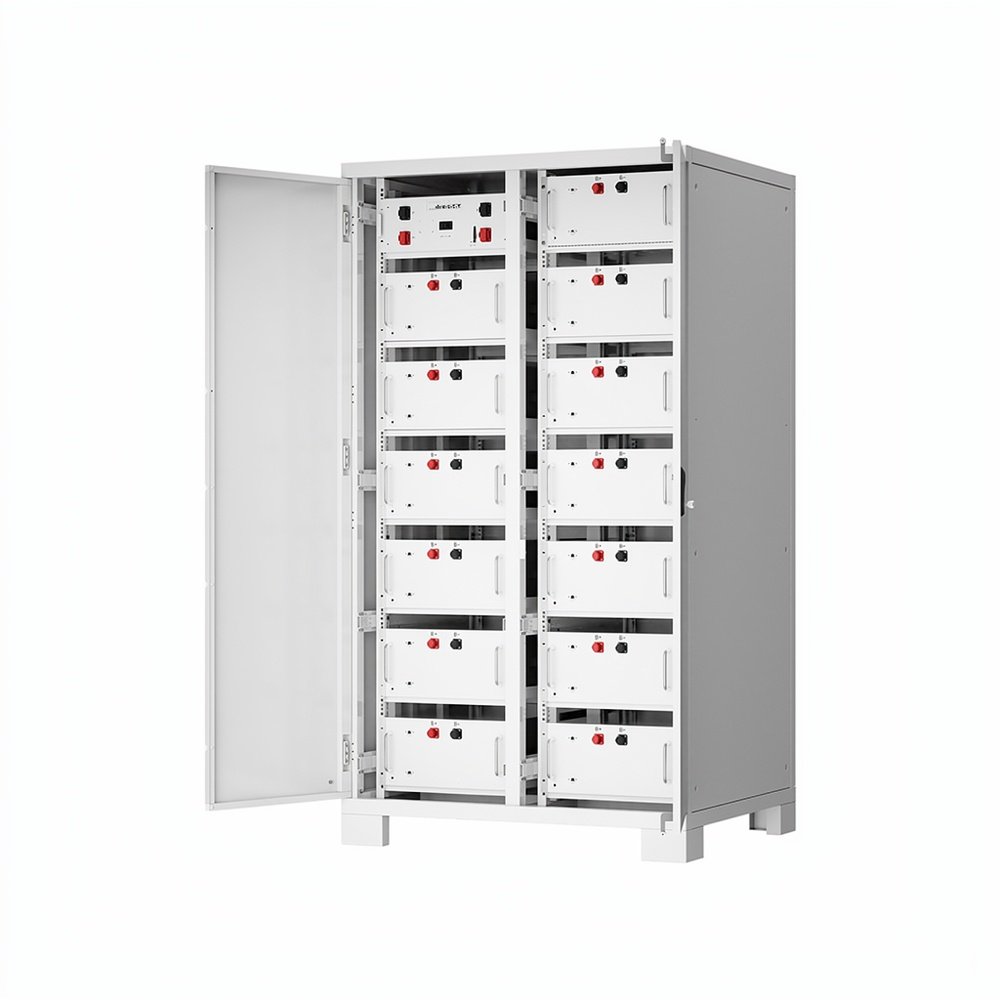
| Rack-mounted | 5–30kWh | Scalability, plant rooms, standard 19-inch racks | Drop in modules as load grows | Rack-mounted ESS |
| Stackable tower | 10–30kWh | Visible installs, floor-standing, no inter-module wiring | Click-on modules | 10kWh solar battery |
| All-in-one | 5–20kWh | Speed of commissioning — inverter pre-integrated | Fixed per unit | All-in-one ESS |
Wall, rack, stackable or all-in-one: which should you choose?
| If your priority is… | Choose | Why |
|---|---|---|
| Minimal disruption in an existing home | Wall-mounted | Slim profile hangs on a wall; no floor space lost; shortest cable runs. |
| Starting small and growing later | Rack-mounted | Standard 19-inch rack takes additional modules without replacing the first unit. |
| A tidy install with no visible wiring | Stackable | Modules click together mechanically; no inter-module power cables to dress. |
| Fastest install and single-vendor support | All-in-one | Hybrid inverter and battery ship matched, one commissioning procedure, one warranty contact. |
| Outdoor or semi-outdoor placement | IP65 cabinet | Dust-tight and water-jet resistant enclosure; no indoor space required. |
How to size a home battery
Size from the loads and backup hours you actually need — not from a round number. A critical-loads setup (fridge, lights, communications, medical equipment) needs far less capacity than backing up air conditioning. PV that can recharge during an outage extends autonomy; without it, size for the longest blackout you expect.
- List the loads you actually want to back up. Write down each appliance and its running watts: fridge 150–400W, LED lighting 5–15W per room, internet router 20W, well pump 700–1500W, air conditioning 1000–3500W. A critical-loads panel usually totals 1–2kW; whole-home with HVAC can exceed 5kW.
- Decide how many hours of autonomy you need. Multiply the running watts by the hours you want to ride out. 1.5kW x 8 hours = 12kWh of usable energy. If you have PV that can recharge during a daytime outage, you can size for a shorter window.
- Add 20% headroom. Add headroom for inverter surge (motor starts) and for the usable depth of discharge — a 10kWh nameplate pack at 90% DoD delivers about 9kWh. 12kWh usable / 0.9 ≈ 13.3kWh, plus surge margin lands you at ~15kWh.
- Match the bank voltage to your hybrid inverter. Residential systems are nominally 48V or 51.2V. Confirm the inverter’s battery voltage window and its communication protocol (CAN or RS485) before ordering — this is the single most common retrofit mistake.
- Confirm the certifications your authority requires. Your inspector or utility will ask for UN38.3, IEC 62619 and, in the US, UL 9540A system-level thermal runaway data. Ordering without these is the usual cause of a failed inspection.
Worked example: a household wants fridge (300W), lighting (150W), router and comms (50W) and a medical device (100W) for 10 hours. That is 600W x 10h = 6kWh usable. At 90% usable DoD that is 6.7kWh nameplate; add 20% headroom for surge and you land on a 10kWh unit — the most popular whole-home-critical size.
Critical loads or whole home?
| Critical-loads backup | Whole-home backup | |
|---|---|---|
| Typical capacity | 5–10kWh | 15–30kWh |
| What runs | Fridge, lights, comms, medical, select sockets | Everything including HVAC, laundry, cooking |
| Needs a sub-panel | Yes — a dedicated critical-loads panel | No — serves the main panel |
| Inverter size | 3–5kW | 8–12kW or more |
| Typical cost | Lowest entry point | 2–3x the critical-loads system |
| Best for | Frequent short outages, budget-driven projects | Long outages, high-value loads, off-grid |
Key specifications
| Specification | Value | Why it matters |
|---|---|---|
| Chemistry | LiFePO4 (LFP) | Safe for indoor install, long calendar life, cobalt-free. |
| Cycle life | 6,000+ cycles @ 80% DoD | ≈16 years at one cycle per day, quoted at a stated condition. |
| Nominal voltage | 48V / 51.2V | Drops into standard hybrid inverter battery inputs. |
| Usable capacity | 90–95% of nameplate | More of what you paid for is actually available. |
| Inverter link | CAN / RS485 | Works with leading single- and three-phase hybrid inverters. |
| Enclosure | IP20 indoor / IP65 outdoor | Matches garage, utility room or exterior wall. |
| Certifications | UN38.3, IEC 62619, UL 9540A, CE | Inspection- and import-ready per market. |
| Warranty | Stated against cycles and temperature | A number you can actually verify, not a slogan. |
LiFePO4 vs lead-acid for home storage
Lead-acid still looks cheaper per kWh on a quote, but the comparison changes once you count usable capacity and replacements. A lead-acid bank should only be discharged to 50%, so you buy twice the nameplate capacity — and replace it two or three times over the life of one LFP pack.
| LiFePO4 | Lead-acid (AGM/GEL) | |
|---|---|---|
| Usable depth of discharge | 90–95% | 50% recommended |
| Cycle life | 6,000+ | 500–1,500 |
| Replacements over 15 years | 0 | 2–3 |
| Maintenance | None | Ventilation, occasional checks |
| Weight per usable kWh | ≈1/3 of lead-acid | Heavy; floor loading matters |
| Round-trip efficiency | ≈95% | 80–85% |
| Indoor installation | Yes | Needs vented enclosure |
For the full chemistry and cost argument, see LiFePO4 vs lead-acid and LiFePO4 vs NMC.
Inverter compatibility: what to confirm before you order
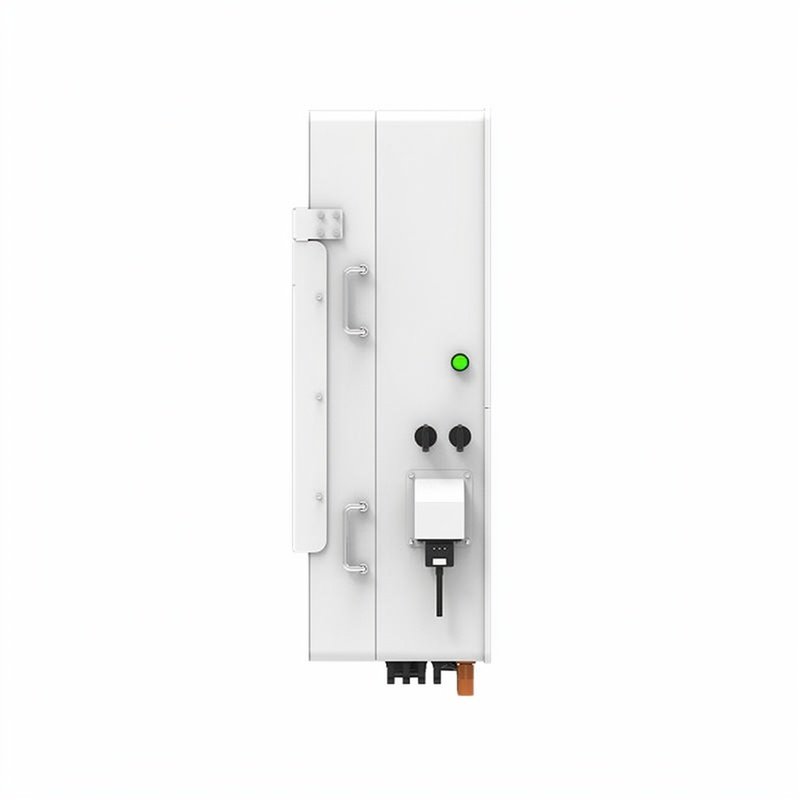
Battery and inverter mismatches cause more failed home installations than battery faults. Confirm four things in writing before delivery:
- Nominal voltage and window. 48V / 51.2V LFP has a different charge window than lead-acid; the inverter must be set to the lithium profile.
- Communication protocol. CAN or RS485, and which brand profile (Pylontech, BYD, SMA, Victron, Growatt, Deye, Solis and others each have a dialect).
- Charge and discharge current limits. The BMS will cap current; the inverter must respect that limit rather than fault on it.
- Backup / EPS topology. If you need power during an outage, the inverter needs a backup port and an automatic transfer switch — not just a battery input.
Certifications, shipping and inspection
Every CMX Battery home unit ships with its transport and safety file. UN38.3 covers transport; IEC 62619 covers cell and battery safety for stationary use; UL 1973 / UL 9540A is the US system-level expectation; CE covers the EU declaration. Your authority having jurisdiction may additionally ask for a local installation certificate — we supply the test data your inspector needs.
Read the detail on certifications and compliance, or the deeper explainer at battery certifications explained.
Home energy storage FAQ
What size home battery do I need?
Most households choose 10kWh for critical loads (fridge, lights, internet, medical devices) and 15–30kWh for whole-home backup. Work from your load list: list the watts of everything you want to keep running, multiply by the hours of backup you need, then add about 20% headroom for inverter surge and depth-of-discharge limits. Use our sizing calculator for the full method.
Can I add a battery to my existing solar system?
Yes — that is the most common retrofit case. If you already have a string or hybrid inverter, we match the battery bank voltage (48V / 51.2V) and confirm the CAN or RS485 communication profile so the inverter sees state of charge correctly. AC-coupled retrofits use a separate battery inverter.
How long does a home LiFePO4 battery last?
CMX Battery home units are rated at 6,000+ cycles at 80% depth of discharge. At one full cycle per day that is roughly 16 years of service, and the warranty is quoted against a defined cycle and temperature condition rather than a bare number of years.
Is LiFePO4 safe enough to install inside the house?
LiFePO4 is the safest mainstream lithium chemistry: it does not rely on cobalt, its thermal runaway onset is far higher than NMC, and it does not vent gas under normal operation. That is why wall-mounted indoor units are almost always LFP. Look for IEC 62619 cell safety plus UL 9540A system-level test data.
What is the difference between wall-mounted, rack and stackable?
Wall-mounted units are slim and hang on a garage or utility-room wall — best for retrofits. Rack units drop into a standard 19-inch server rack and scale by adding modules. Stackable towers click together on the floor without inter-module wiring — best for a visible install. All-in-one units integrate the hybrid inverter so there is only one commissioning step.
Will the battery work during a blackout?
Only if the system has backup/ EPS output and an automatic transfer switch. Grid-tied solar inverters shut down during an outage for safety unless they have a designated backup port. Tell us you need blackout protection and we will spec the transfer path with the hybrid inverter.
How much does a home battery cost per kWh?
Installed cost varies by market, but the pack itself is only part of the number — inverter, installation, permitting and certification all move it. See our breakdown of lithium battery cost per kWh.
Which certifications do I need for import?
UN38.3 for transport is mandatory everywhere. EU buyers expect IEC 62619 plus CE; US projects look for UL 1973 / UL 9540A at system level. We supply the full test file with every shipment — see our certifications.
Residential products


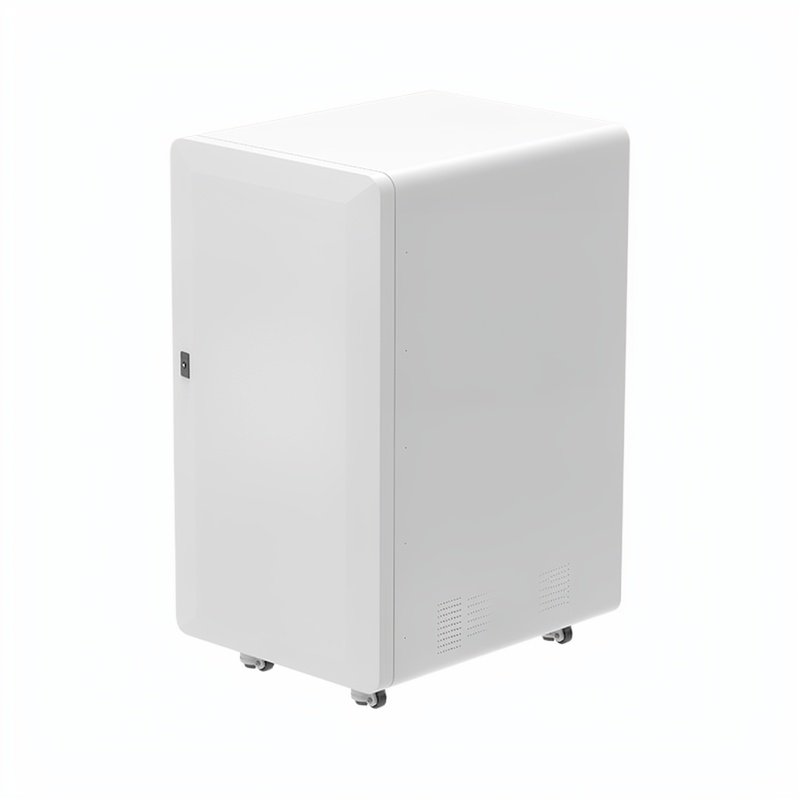
10KWh 48V 200Ah LiFePO4 lithium battery pack for residential
The 10kWh 48V 200Ah lithium battery is a high-performance solar home lithium battery, built with advanced LiFePO4 battery cells for maximum safety, efficiency, and durability. Designed for residential solar energy storage, this 10kWh lithium battery delivers stable power output, over 6000 cycles of long life, and excellent thermal stability.
Perfect for both new and retrofit solar installations, this wall-mounted 10kWh 48V 200Ah LiFePO4 battery offers compact size, easy installation, and wide inverter compatibility. Whether you’re upgrading your off-grid system or adding backup power to your grid-tied home, this solar lithium battery provides a reliable, safe, and future-ready energy storage solution.


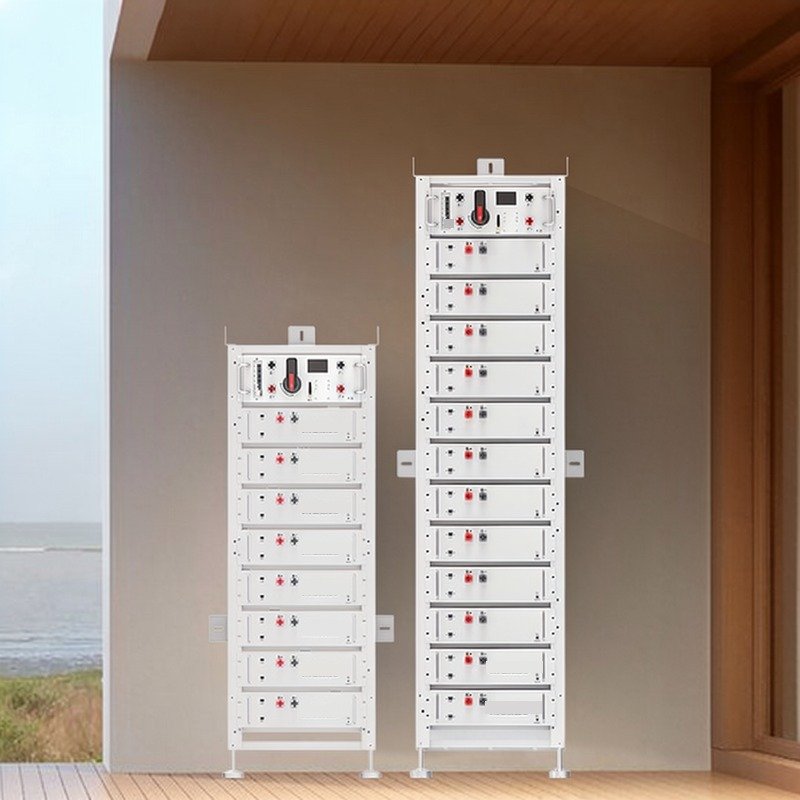
15kWh 48V 300Ah Server Rack Lithium Battery for Home Solar Energy Storage
48V 300Ah 15KWh Server Rack Battery bank
This 15kWh 51.2V 300Ah lithium server rack battery bank uses high-quality Grade A LiFePO4 cells to deliver long service life, strong safety performance, and a practical design suited for modern energy storage systems.With a 51.2V nominal voltage, the battery works smoothly with most 48V hybrid inverters. As a result, it fits well in home solar storage systems, off-grid installations, and backup power applications.In addition, the system supports parallel connection of up to 16 units, which allows users to expand capacity as their energy needs grow. It also provides more than 6,000 deep charge cycles, built-in WiFi and Bluetooth for remote monitoring, and an integrated fire suppression system. Together, these features make it a reliable and scalable energy solution for both residential and commercial use.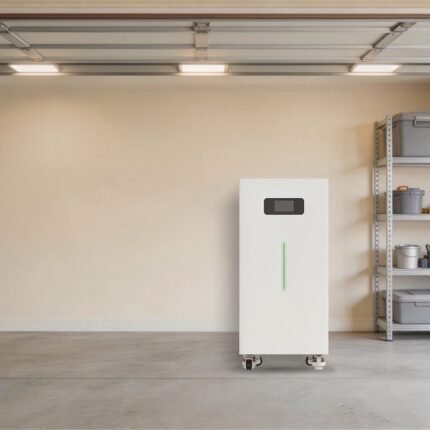
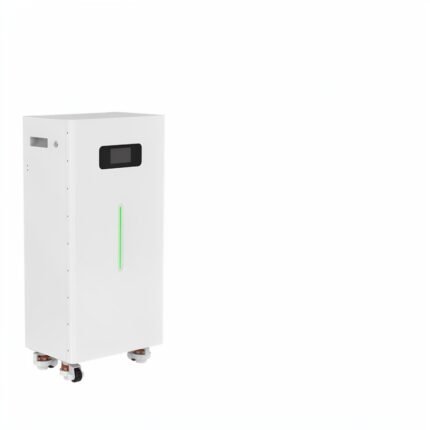
16.08kWh Mobile LiFePO4 Energy Storage Battery | 51.2V 314Ah IP65 Modular ESS with Wheels for Residential & Commercial
CMX Battery 51.2V 314Ah 16.08 kWh home energy storage battery — factory-direct from a LiFePO4 battery manufacturer and OEM/ODM partner, supplied wholesale and in bulk with private-label options.
- Performance: 6,000+ cycles @ 80% DoD with Grade A automotive cells and smart BMS protection; 5–10 year warranty.
- Compliance: Certified to CE, RoHS, UN38.3 and IEC62619 (UL available); CAN / RS485 / RS232 for inverter and EMS integration.
- Best for: Residential solar self-consumption; Off-grid and hybrid homes; Backup power during outages.


16kWh 48V 320Ah Lithium Battery for Solar Home Energy Storage
Battery Type: 48V 320Ah Grade A LiFePO4 Cells
Cycle Life: >9000 Cycles (@25°C, 80% DOD)
IP Rating: IP65 Water & Dust Protection
Communication Protocols: RS485 / CAN
Display: Touch Screen LCD
Dimensions: 850(with wheels)*453*240mm34.4(with wheels)*17.7*9.5inch
Mobility: Equipped with 4 Universal Roller Wheels
Application: Residential Solar Storage, Backup Power, Off-grid, Hybrid Systems, Commercial Use
More in this series
Explore related solutions
- Whole Home Battery Backup
- Off-Grid Solar Systems
- C&I Energy Storage
- Peak Shaving Systems
- UPS Battery Solutions
- Telecom & UPS Backup
- Forklift Lithium Batteries
- RV Lithium Batteries
- Marine LiFePO4 Batteries
- Golf Cart Lithium Batteries
- Robot Battery Packs
- Military Battery Packs
- All Solutions
Request a home ESS quote
Tell us your daily kWh, backup hours, inverter brand and installation market — we return a matched proposal within three working days.