
Battery Guides
Quick answer: These are short, practical articles on the decisions that determine whether a battery project succeeds — chemistry, sizing, certification, true cost, pack building and supplier vetting. They are written by the engineers who answer our RFQ inbox, and are revised when standards or pricing shift materially, typically twice a year.
Short, practical articles on the decisions that determine whether a battery project succeeds: chemistry, sizing, certification and true cost. Written by the engineers who answer our RFQ inbox.
Which guide should you read first?
- Not sure about chemistry? Start with the LiFePO4 vs lead-acid comparison — cycle life and usable capacity decide most projects.
- Know the chemistry, not the size? Use the battery sizing method — build the load list, then apply DoD and autonomy.
- Exporting? Read the certification guide — UN38.3 is mandatory; the rest depends on destination.
- Comparing quotes? Read the cost per kWh analysis — compare on lifetime delivered energy, not sticker.
- Building in-house? Follow the pack building guide — cell matching is the step that matters.
- Shortlisting suppliers? Apply the manufacturer evaluation checklist — including to us.
How are these guides used in practice?
- Buyer education before RFQ — arrive with a load profile and a requirement sheet instead of a capacity guess.
- Installer onboarding — a common reference for charge profiles, DoD and voltage selection.
- Distributor technical training — the same method our own engineers use in proposals.
- Internal engineering reference — formulas, thresholds and certification scopes in one place.
Why source this from CMX Battery?
- Factory-direct manufacturing — cell sourcing, pack assembly, BMS firmware and testing under one roof.
- Engineering-led — we work from your load profile or mechanical drawing, not from a catalogue.
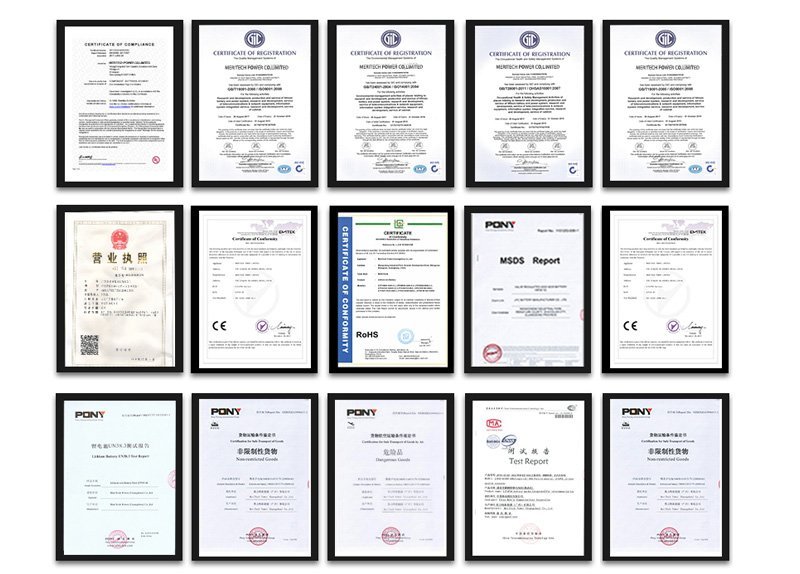
- Export-ready documentation — UN38.3, IEC 62619, CE and market-specific support handled per project.
Next step
Send us your voltage, capacity, volume and target market, and our engineering team will return a proposal within three working days. See our OEM & ODM capabilities, or send your RFQ directly below.
Frequently asked questions
How often are these guides updated?
Major revisions when standards or pricing shift materially, typically twice a year. Certification scopes and cell pricing move most often.
What if my question is not covered?
Send it with your RFQ and our engineering team will respond directly — the FAQ and RFQ pages are the next step.
Who writes these guides?
The CMX Battery engineering team that grades cells and builds packs — the same people who answer our RFQ inbox.
Request a LiFePO4 quote
Tell us your product, volume and specs — our engineering team returns a proposal within three working days. Or review our custom pack capabilities.