

Energy Storage Solutions & Applications
CMX Battery designs and manufactures lithium energy-storage systems for the jobs that matter: keeping a home lit through an outage, running a site entirely off-grid, shaving the peak that dominates a commercial electricity bill, and holding up a telecom or UPS network when the grid drops. Every system is specified as one design — cells, capacity, inverter, BMS and controls — rather than a pallet of parts from different vendors that somebody has to make talk to each other.
Below is how we group our solutions, how our engineers size them, and what to send us to get a documented system design back.
Energy storage solutions by application
Each silo below is a different job. Start from the one that matches what you are actually trying to achieve, then use the sizing steps underneath to turn it into a specification.
Whole Home Battery Backup
Keeps essential loads — or the whole house — running through a grid outage. A backup system is defined by how many hours you need to ride through, not by how much solar you own.
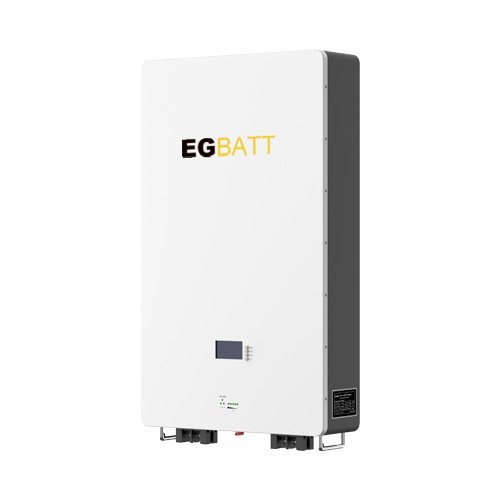
- Typical system: 10–30 kWh wall-mounted or floor-standing LiFePO4, 48 V architecture, hybrid inverter with automatic transfer switching
- Runtime target: 4–24 hours on essential loads; whole-home coverage needs 20 kWh or more
- Sizing driver: critical-load wattage × backup hours, not annual consumption
Off-Grid Solar Battery Systems
Runs a property with no grid connection at all. Here the battery must cover autonomy — the number of sunless days you want to survive — because there is no grid to fall back on.
- Typical system: 20–100+ kWh bank sized to 2–5 days autonomy, paired with an oversized PV array and often a generator input
- Runtime target: 2–5 days of autonomy depending on climate and criticality
- Sizing driver: daily kWh load × autonomy days ÷ usable depth of discharge
Peak Shaving Battery Systems
Cuts the demand charge that dominates commercial and industrial electricity bills by discharging during your short, expensive peaks. The specification is driven by power (kW) and the shape of your load curve, not by total energy alone.
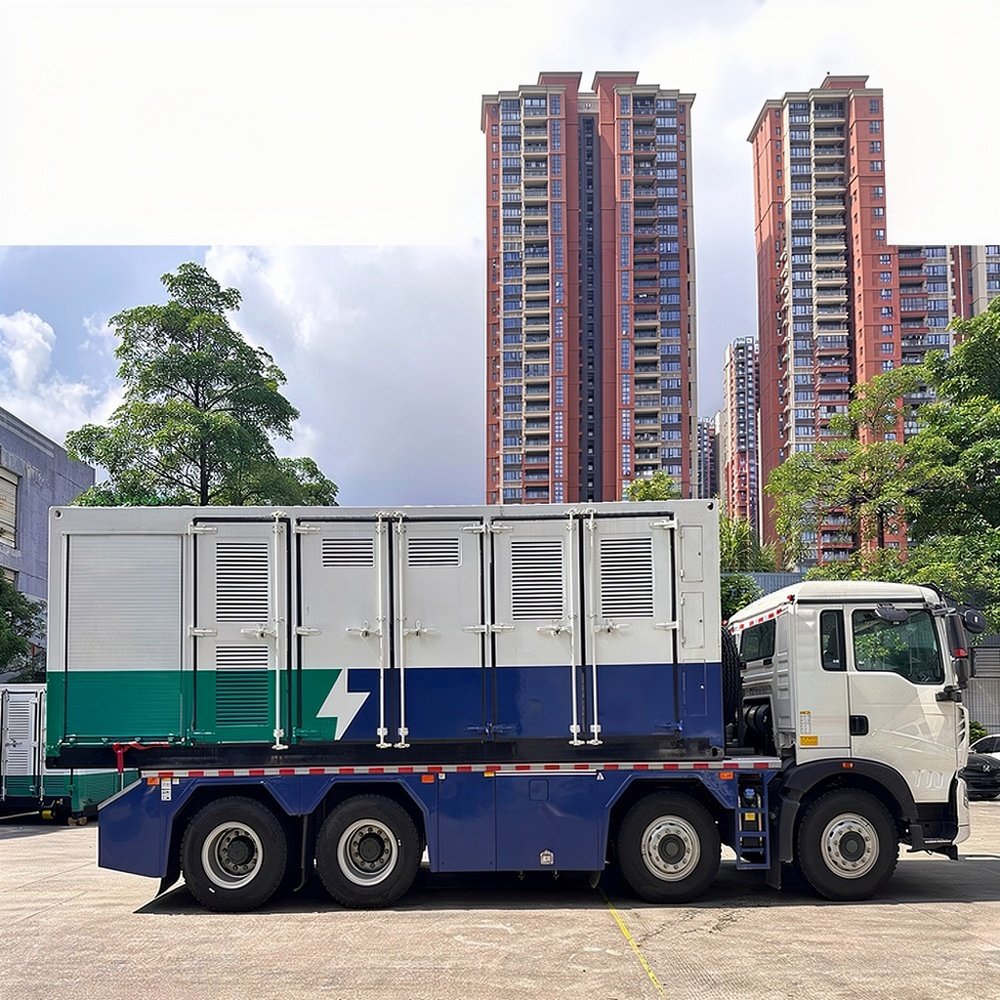
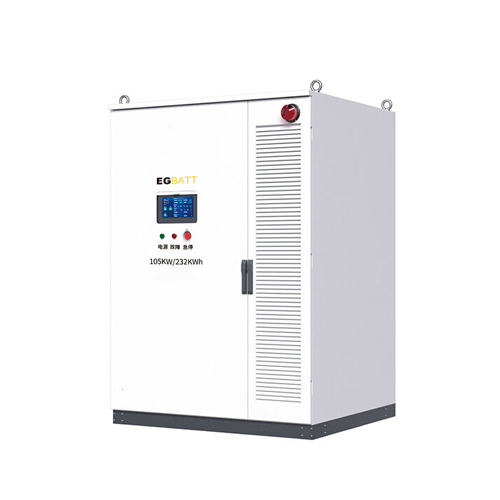
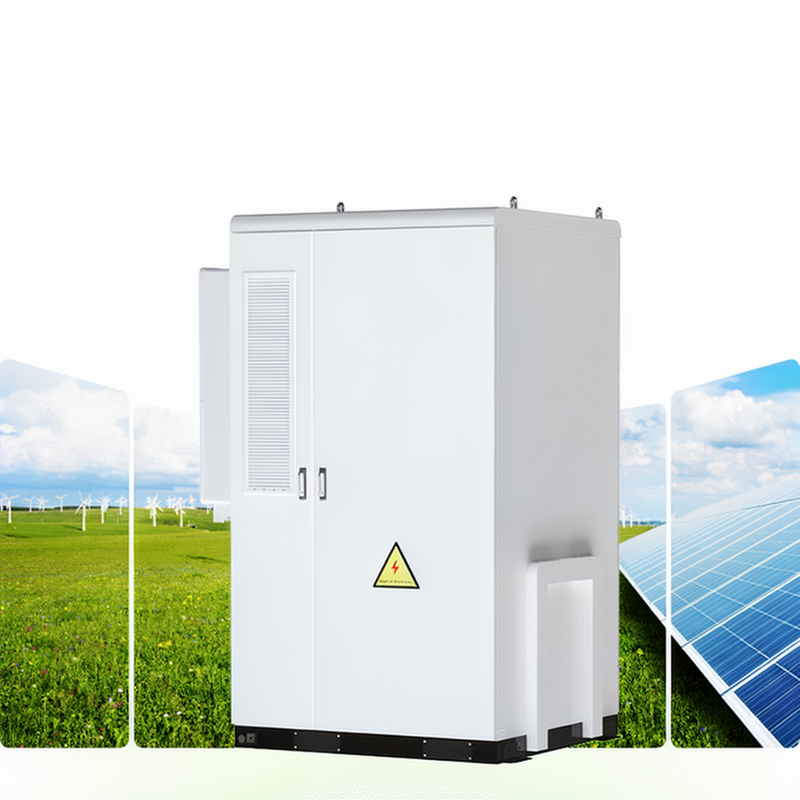
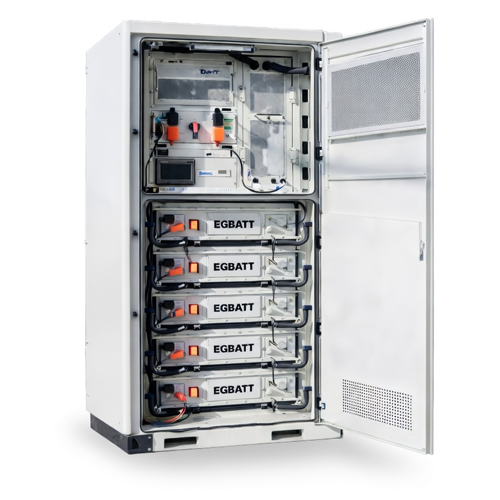
- Typical system: 100 kWh to multi-MWh liquid-cooled cabinet ESS, 100 kW–1 MW+ power conversion
- Runtime target: 1–4 hours of discharge, cycled once or twice daily
- Sizing driver: peak kW to clip × discharge window, plus cycle-life economics
Telecom & UPS Battery Backup
Short-duration, high-reliability standby for base stations, data rooms and network equipment, where the battery sits idle for months and then has to deliver instantly and without exception.
- Typical system: 48 V telecom strings or rack-mounted UPS battery packs, 1–10 kWh per cabinet
- Runtime target: 15 minutes to 8 hours depending on site class
- Sizing driver: load kW × required ride-through minutes, plus float-life and temperature derating
UPS Lithium Battery Solutions
Lithium replacements for the lead-acid strings inside UPS installations — the same footprint and connector logic, but with a fraction of the weight, far longer service life and no watering maintenance.
- Typical system: rack-mount LiFePO4 packs in 2U/3U form factors, drop-in replacement geometry
- Runtime target: matches the existing VRLA string you are replacing
- Sizing driver: match string voltage; compare usable Wh rather than nameplate Ah
How to specify a storage system: our 6-step method
Most failed storage projects are not equipment failures — they are specification failures. A system bought on Amp-hours alone will undershoot its runtime, and a cabinet quoted without a discharge rate will trip on inrush. This is the sequence our engineers work through.
1. Define the job before the hardware
Write down the one thing the system must do: ride through a 6-hour outage, survive 3 sunless days, or clip a 300 kW peak. Everything downstream — chemistry, capacity, power rating, inverter topology — follows from that single sentence. Mixing objectives is how budgets get spent twice.
2. Size energy from real load data, not from nameplate
Usable energy is not the number on the datasheet. For a LiFePO4 system the practical sizing relationship is: Required capacity (kWh) = (Average load kW × hours) ÷ (DoD × η)
where DoD is usable depth of discharge (typically 0.9 for LFP) and η is round-trip efficiency (typically 0.92–0.95). Worked example: a 3 kW critical load for 8 hours at DoD 0.9 and η 0.93 needs (3 × 8) ÷ (0.9 × 0.93) ≈ 28.7 kWh of nameplate capacity — not 24 kWh.
3. Confirm the power rating separately
Energy and power are two independent numbers. A 30 kWh battery with a 5 kW inverter cannot start a 9 kW air handler. Check continuous kW, surge rating (usually 2–3× for 3–10 seconds) and whether the BMS will permit the inrush current at your state of charge.
4. Choose chemistry and voltage architecture
LiFePO4 (LFP) is the default for stationary storage: 6,000+ cycles at 90% DoD, stable thermal behaviour and no cobalt. Low-voltage 48 V suits residential and small commercial; high-voltage 200–1500 V strings reduce current and cabling losses in 100 kWh+ commercial and industrial systems.
5. Lock certification and grid code before you buy
Cells and packs are built to IEC 62619 and UL 1973; system-level fire behaviour is documented under UL 9540A; transport requires UN 38.3. Grid interconnection rules (IEEE 1547, VDE-AR-N 4105, G99 and local utility requirements) vary by market and can change inverter selection — raise them at quotation stage, not at commissioning.
6. Plan monitoring, maintenance and end of life
Remote monitoring of cell voltage spread, state of health and thermal gradients turns a warranty claim into a scheduled service visit. Agree the cycle-life warranty, the SoH retention clause (commonly 70% at 10 years) and the recycling route before the container ships.
Send us your load profile, autonomy target and destination market, and we will return a documented system design with a single-line diagram, bill of materials and compliance checklist. If you want the numbers before you talk to us, our LiFePO4 battery sizing calculator turns a load profile into kWh, C-rate and pack configuration.
Solution comparison at a glance
| Solution | Typical capacity | Runtime target | Key sizing driver | Voltage class |
|---|---|---|---|---|
| Whole Home Backup | 10–30 kWh | 4–24 h | Critical load × hours | 48 V |
| Off-Grid Solar | 20–100+ kWh | 2–5 days | Daily kWh × autonomy | 48 V / HV |
| Peak Shaving | 100 kWh–MWh | 1–4 h | Peak kW to clip | HV (200–1500 V) |
| Telecom & UPS | 1–10 kWh | 15 min–8 h | kW × ride-through | 48 V |
| UPS Lithium Replacement | Matches VRLA string | As existing string | Usable Wh, not Ah | 48 V / rack |
Products for every solution
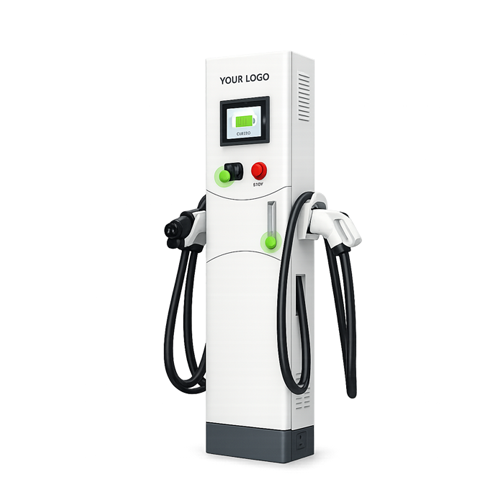
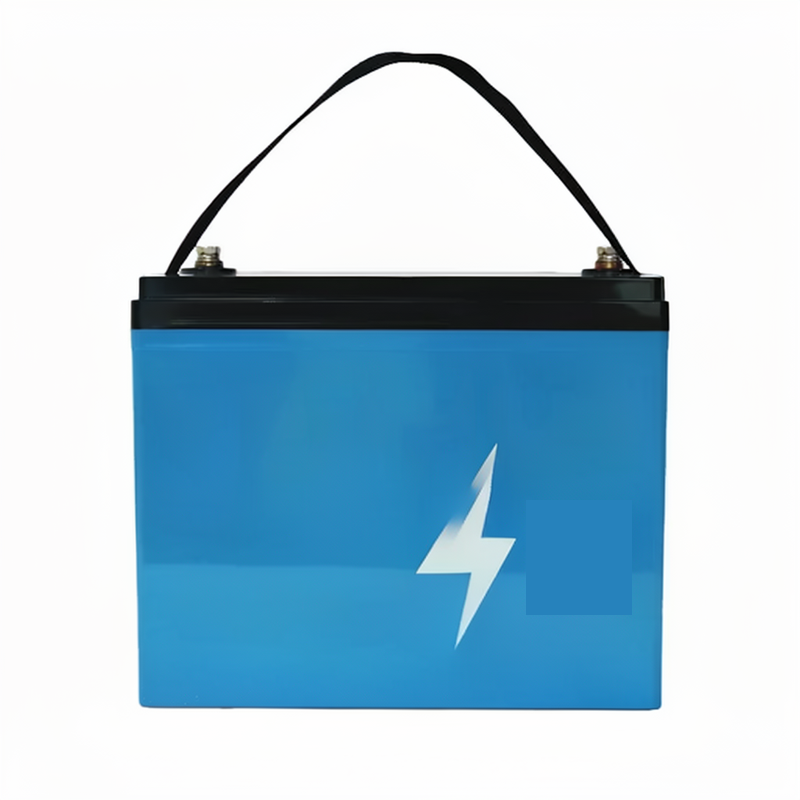
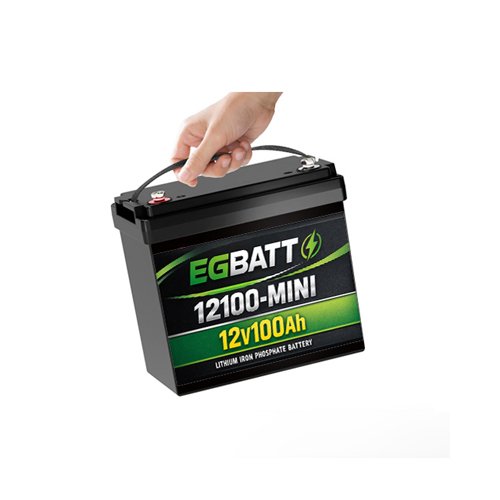
Every CMX Battery solution is assembled from these core product lines — specified, graded and built under one quality system, so a cabinet in a factory and a pack in a garage share the same cell traceability and BMS logic.
Frequently asked questions
Do you only sell batteries, or complete systems?
For solution projects we specify the whole chain — cells, pack, BMS, inverter and controls — as one design, so the discharge rates, communication protocols and protection thresholds are matched rather than negotiated on site. We also supply cells and modules to OEM customers who do their own integration.
Which application is right for my project?
It depends entirely on the job. If you need to survive outages, think in backup hours. If you have no grid, think in autonomy days. If you are chasing a demand charge, think in peak kilowatts to clip. Send us a load profile and we will scope it from your actual data and tariff.
Which certifications can you build to?
Cells and packs are built to IEC 62619 and UL 1973, with UL 9540A thermal-runaway documentation available at system level and UN 38.3 for transport. We also support CE, CB and market-specific grid-code documentation — confirm your target market at quotation stage so the right variants are quoted.
Can you integrate with my existing PV inverter or UPS?
Usually yes. We support the common lithium communication protocols (CAN and RS485, including Pylontech, SMA, Victron, Deye, Growatt and Schneider profiles) and can match legacy VRLA string voltages for drop-in UPS replacements. Send the inverter model and firmware and we will confirm compatibility in writing.
How long do the batteries last?
LFP cells are typically rated for 6,000+ cycles at 90% depth of discharge and 25 °C, which translates to roughly 10–15 years in daily-cycling service. Real lifetime depends far more on operating temperature and average depth of discharge than on the cycle count printed on the datasheet — which is why we specify thermal management alongside the cells.
What is the typical lead time?
Standard residential and rack products ship from stock or on a 2–4 week build. Engineered commercial and industrial cabinets, which involve cell matching, cabinet integration and factory acceptance testing, typically run 6–12 weeks from approved drawings.
Do you offer OEM and ODM?
Yes. We build to customer branding and specification, including custom pack geometry, communication protocol, BMS parameterisation and certification support. See our OEM & ODM capability or send drawings for a feasibility review.
Specify your storage solution with our engineers
Send your load profile, autonomy target and destination market. We will return a documented system design — single-line diagram, bill of materials, compliance checklist and a firm quotation — usually within two working days.
Prefer to send drawings? Open the RFQ form or contact our sales team directly.