
Certifications & Compliance
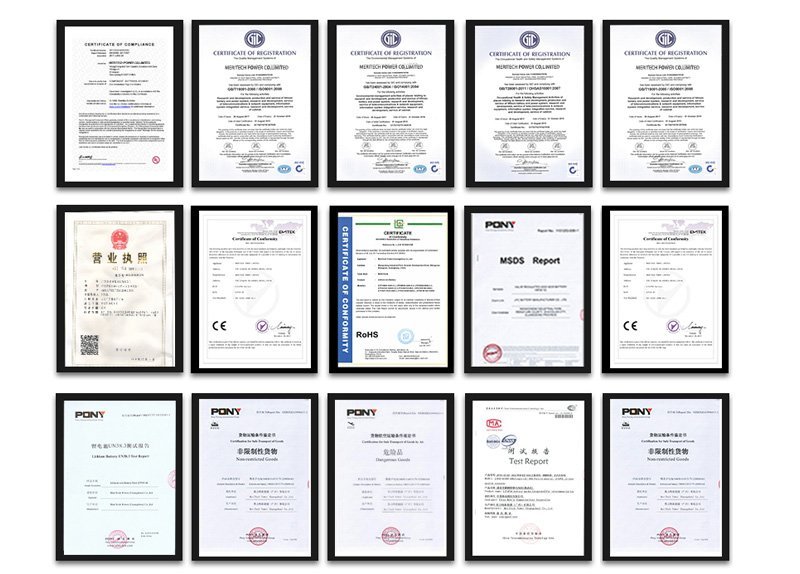
Quick answer: CMX Battery ships with UN38.3 test summaries on every cross-border lithium battery order and builds to IEC 62619 (industrial Li-ion safety) and UL 1973 (with UL 9540A thermal-propagation data for North American ESS approvals). CE / RoHS documentation covers the EU, manufacturing runs under ISO 9001, and outdoor enclosures are IP65. Market-specific marks outside this list are scoped per project as a costed line item, and some standards permit the certificate to be issued in your company name — we confirm which ones before you commit.
Certification is the difference between a battery that ships and a battery that clears customs. What we cannot shortcut, we will tell you honestly.
This page is our qualification record: what we hold, what each market asks for, what a genuine certificate package contains, and how to verify one. For a standard-by-standard explanation of what each test actually does, see Battery Certifications Explained.
Certificate Requirement Checker
Select your destination market and application. You will get the baseline document set, what is usually added on top, and the one issue that most often holds a shipment at clearance.
Baseline documents you will be asked for
Commonly added on top
This tool reflects the document sets normally requested for the market and application selected. Final scope depends on your installed configuration, the authority having jurisdiction and your import route — confirm it in writing before you commit to a shipment.
Key facts at a glance
- UN38.3 test summary ships with every cross-border lithium order — no extra charge, no request needed.
- IEC 62619 is the default expectation of EU and most APAC industrial buyers.
- UL 9540A is thermal-propagation test data, not a pass/fail certificate — AHJs read it to size fire protection.
- CE is a declaration by the manufacturer, not a laboratory certificate; RoHS is substance compliance.
- Certificates are model-specific. A certificate for one model does not cover a different capacity or BMS.
- Timeline: using existing marks = 0 weeks; new market-specific testing typically 6–14 weeks plus sample build.
Which lithium battery certifications does CMX Battery hold?
Marks we carry today. Additional market-specific marks are scoped per project — tell us the destination and application and we will map the testing path before you commit.
UN38.3 — mandatory for any cross-border shipment
The UN Manual of Tests and Criteria, Section 38.3, is a transport test, not a product-safety approval. It simulates the stresses a cell or pack must survive in air or sea freight: altitude simulation, thermal cycling, vibration, shock, external short circuit, impact/crush, overcharge and forced discharge. No carrier or forwarder will accept a lithium battery without it. We ship the test summary — the document the regulations actually require to accompany the consignment — with every cross-border order.
IEC 62619 — industrial Li-ion safety
The safety standard for secondary lithium cells and batteries in industrial applications (stationary storage, motive auxiliary, UPS). It covers external short circuit, thermal abuse, overcharge, drop and — in later revisions — thermal propagation. EU and most APAC buyers treat it as the baseline: if a quote for an industrial pack does not mention IEC 62619, ask why.
Note the boundary: IEC 62619 is not the same as IEC 62620 (performance) and does not replace IEC 62477-1 or IEC 62109, which apply to the power conversion equipment around the battery.
UL 1973 / UL 9540A — North American ESS approval
UL 1973 covers the battery system itself for stationary, motive auxiliary and light electric rail use. UL 9540 covers the complete energy storage system; UL 9540A is the test method that generates thermal runaway propagation data.
The distinction matters for your schedule: UL 9540A does not issue a “pass”. It produces a report that the authority having jurisdiction (AHJ) reads to decide clearances, sprinkler demand and whether units may be installed side by side. Two suppliers can both “have 9540A” and get opposite answers from the same AHJ, because the underlying data differs.
CE / RoHS — European market access
CE is a declaration of conformity by the manufacturer that the product meets the applicable EU directives (commonly low-voltage and EMC for battery systems, plus machinery or pressure equipment where relevant). RoHS restricts specific substances. For lithium batteries the newer EU Battery Regulation (EU) 2023/1542 phases in additional duties — carbon footprint declarations, recycled content and, on a staged timetable, a digital battery passport. Ask which of these already apply to your product category and date of placement on the market; we will confirm the current position rather than guess.
ISO 9001 — the process behind the pack
Certified quality-management system covering the manufacturing process behind every pack we ship. This is what makes the other documents trustworthy: a certificate describes a sample that was tested once, while ISO 9001 governs whether the thousandth pack matches it.
IP65 — enclosure protection
Dust-tight (first digit 6) and resistant to low-pressure water jets from any direction (second digit 5). Relevant for outdoor cabinets, forklift and marine installations, and telecom enclosures. It is an enclosure rating — it says nothing about electrical safety or thermal performance.
If the unit sits in a wash-down area, a coastal site or an unconditioned outdoor cabinet, IP65 is usually the floor. If it may be temporarily flooded, specify IP67.
Certification summary
| Mark / scheme | Scope | What it covers | Who asks for it | Document you receive | Issuable in your name? |
|---|---|---|---|---|---|
| UN38.3 | Transport safety | Transport simulation: altitude, thermal, vibration, shock, external short, impact/crush, overcharge, forced discharge | Carriers, forwarders, customs — mandatory | Test summary + test report | No (belongs to the cell/pack design) |
| IEC 62619 | Stationary storage | Industrial Li-ion safety: short circuit, thermal abuse, overcharge, drop, propagation | EU and APAC industrial buyers, EPC contractors | CB-framework test report / certificate | Case by case |
| UL 1973 | North America | Battery system safety for stationary and motive auxiliary use | North America AHJs, integrators | UL listing / report | Yes, via separate application |
| UL 9540A | North America | Thermal runaway propagation test method — data, not a certificate | North America AHJs, fire marshals | Test report with data | Report follows the tested unit |
| CE (+ RoHS) | European Union | Manufacturer declaration of conformity; substance restrictions | EU importers, distributors, customs | DoC + technical file reference | You are the declarant if you import |
| ISO 9001 | Quality system | Quality management system of the manufacturing site | Tenders, utility pre-qualification | Certificate with scope and site address | No — site-specific to the manufacturer |
| IP65 | Ingress protection | Enclosure ingress protection (dust-tight + water jets) | Outdoor / marine / industrial specs | Ingress test report | Case by case |
Read the scope, not the logo. Every certificate on this page is bound to a specific model, voltage window, capacity range and BMS configuration. A certificate for a 48 V 100 Ah rack does not cover a 48 V 280 Ah rack, even from the same factory.
Which certifications does each market require?
Requirements change with the destination and the application. The table below is the practical starting point; we confirm the exact list against your destination port, installation type and grid-connection rules before quoting.
| Market / use case | Baseline documents | Commonly added | What usually blocks clearance |
|---|---|---|---|
| European Union (stationary, industrial) | CE DoC, IEC 62619, RoHS, UN38.3 for transport | IEC 62477-1 / 62109 for the PCS; grid-code compliance; national fire authority letter | DoC signed by a non-EU entity with no authorised representative |
| United States / Canada (ESS) | UL 1973, UL 9540/9540A data, UN38.3 | NFPA 855 installation compliance; local AHJ review; utility interconnection study | 9540A data missing or not matching the installed spacing |
| Middle East & APAC | IEC 62619 + UN38.3; destination-specific support per project | SASO / SIRIM / BIS and other national schemes; Arabic or local-language labelling | National mark required but only discovered after shipment |
| Global tenders & utilities | CB scheme reports, UN38.3, ISO 9001 | Type-test reports from accredited labs, traceability records, financial pre-qualification | Test report issued by a non-accredited laboratory |
| Motive / forklift / AGV | UN38.3, IEC 62619 or UL 2580 depending on region | OEM-specific electrical and CAN protocol compatibility | Assuming a stationary-battery certificate covers a traction application |
European Union
CE, IEC 62619 and RoHS, with UN38.3 for transport. This is the standard package for EU importers and installers. If you place the product on the market under your own brand, you become the declarant — which means you need the technical file and an authorised representative if you are outside the EU. Plan that before the container ships.
United States and Canada
UL 1973 plus UL 9540A documentation, with UN38.3 for transport. Scoped per project, because the AHJ — not the manufacturer — decides what the installation may look like. Bring the AHJ into the conversation early; retrofitting a fire-protection design after the units land is the most expensive way to learn this.
Middle East and APAC
IEC 62619 plus market-specific support, handled per project and destination. Several markets in this group require a national mark obtained before shipment (SASO, SIRIM, BIS and equivalents). These are not paperwork you can add later — build the lead time into your order.
Global tenders and utilities
CB scheme reports and additional marks scoped on request for utility and government pre-qualification. Tender documents usually specify the accreditation body as well as the standard: a report from a laboratory without the required accreditation is rejected regardless of the content.
What is actually inside a certification package?
Buyers often ask for “the certificate” when what they need is four different documents. Knowing which is which prevents the most common delay in lithium battery importing: discovering at customs that the file you hold is not the file required.

| Document | What it proves | When you need it |
|---|---|---|
| UN38.3 test summary | Design passed the eight transport simulations. Must be available for every cell and pack type shipped. | Every shipment — carriers and customs |
| UN38.3 test report | The full laboratory data behind the summary: sample description, photographs, measured values. | Technical review, tender submissions |
| Safety certificate (IEC 62619 / UL 1973) | The product type met a safety standard. Bound to a model and a scope. | Market access, tender pre-qualification |
| Declaration of conformity (CE) | The manufacturer declares compliance with the applicable directives, backed by a technical file. | EU import and distribution |
| SDS / MSDS | Material safety data: chemistry, hazards, handling, first aid, firefighting measures. | Transport, warehousing, insurer review |
| Dangerous-goods declaration & packing declaration | Class 9 lithium classification, UN number (UN3480 / UN3481), state of charge, packaging instruction. | Booking sea or air freight |
| CB test report / certificate | IECEE framework report that national schemes can draw on, reducing duplicate testing. | Multi-market programmes, tenders |
Practical rule: ask for the test report, not just the certificate. A certificate is a one-page conclusion; the report shows what was actually tested, at what values, and on which sample.
How can you check a battery certificate is genuine?
Five checks take about ten minutes and catch almost every problem:
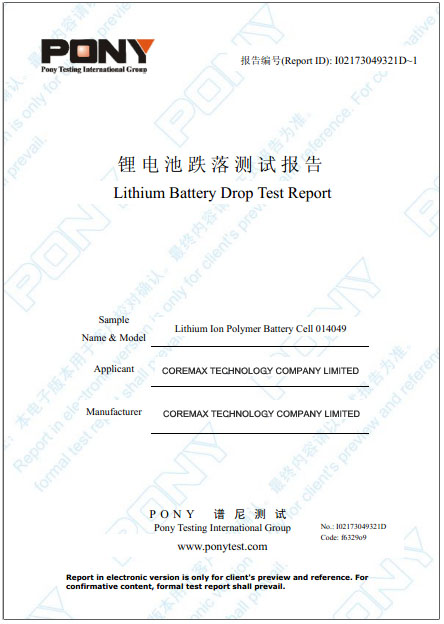
- Check the certificate number against the issuing body. UL, TÜV, SGS, Intertek and most notified bodies maintain online directories. If the number does not resolve, treat the document as marketing material.
- Check the scope matches your model. Read the model list, voltage window and capacity range. A certificate covering “48 V series, 50–200 Ah” does not cover 280 Ah.
- Check the holder name. A certificate held by a trading company is not evidence that the factory making your packs was assessed. Ask whose site was audited and where.
- Check the date and the standard version. Standards are revised (IEC 62619 and UL 9540A have both been updated). A report against a withdrawn version may no longer be accepted.
- Check the laboratory accreditation. Look for an accreditation mark (ISO/IEC 17025) and, for tenders, that the accreditation is from the body named in the tender documents.
If a supplier cannot produce the underlying test report within a day, that is itself an answer. Legitimate reports are filed and retrievable; invented ones are not.
What safety tests stand behind these marks?
The abbreviations on a certificate refer to specific physical abuse of specific samples. Here is what is actually done to the cells.
UN38.3 — the eight transport tests (T1–T8)
| Test | What is done | What it simulates |
|---|---|---|
| T1 Altitude simulation | Stored at a pressure of 11.6 kPa or less for at least 6 hours | Unpressurised aircraft cargo holds |
| T2 Thermal test | Cycled between +75 °C and −40 °C, 10 cycles | Desert to Arctic transit extremes |
| T3 Vibration | Sinusoidal sweep, typically 7 Hz to 200 Hz and back, 3 axes | Road and air freight vibration |
| T4 Shock | Half-sine pulse, peak acceleration 150 g / 6 ms (cells) or 50 g (packs) | Rough handling, drops in transit |
| T5 External short circuit | Short-circuited at 55 °C until the case temperature stabilises | Terminal contact during transport |
| T6 Impact / crush | 15 mm bar crush to a defined force, or a 9.1 kg drop from 61 cm | Compression in a stack or collision |
| T7 Overcharge | Charged beyond the specified limit for a defined duration | Charger failure |
| T8 Forced discharge | Discharged to reverse polarity | Cell mismatch inside a series string |
IEC 62619 — abuse tests for industrial packs
- External short circuit at the pack terminals with protection devices in circuit.
- Thermal abuse — exposure to elevated temperature (commonly 130 °C) and hold.
- Overcharge at a defined multiple of the recommended current.
- Drop of the complete pack onto a rigid surface.
- Thermal propagation assessment in current revisions — can one cell going into runaway take its neighbours with it?
The propagation test is the one that separates a genuine industrial pack from a consumer assembly. It is also why two packs of identical capacity can have very different installation requirements.
What does IP65 actually mean for an outdoor battery?
The IP code has two digits. The first is protection against solid objects, the second against liquids. The numbers are not a scale you can average — each has a specific test.
| Code | Solids (first digit) | Liquids (second digit) | Typical battery use |
|---|---|---|---|
| IP54 | Dust-protected (limited ingress permitted) | Splash water from any direction | Sheltered outdoor, covered plant rooms |
| IP65 | Dust-tight — no ingress in the 8-hour dust test | Low-pressure water jet (6.3 mm nozzle) from any direction | Outdoor cabinets, forklifts, marine decks, wash-down areas |
| IP66 | Dust-tight | Powerful water jet (12.5 mm nozzle) | Exposed coastal sites, heavy wash-down |
| IP67 | Dust-tight | Immersion to 1 m for 30 minutes | Locations with temporary flooding risk |
Choose by the worst day, not the average one. An outdoor cabinet in a temperate climate still faces a pressure washer during maintenance and driving rain during a storm. IP65 is the usual floor for outdoor stationary storage; specify IP67 where standing water is plausible.
Remember what the rating does not cover: corrosion resistance, UV stability, gasket ageing, condensation inside a sealed enclosure, and thermal derating at high ambient temperature. An IP65 cabinet in direct sun still needs a thermal design — the seal that keeps water out also keeps heat in.
Nameplate, batch records and traceability
Certification only holds if the unit in front of you is the unit that was tested. That link is the nameplate and the batch record.
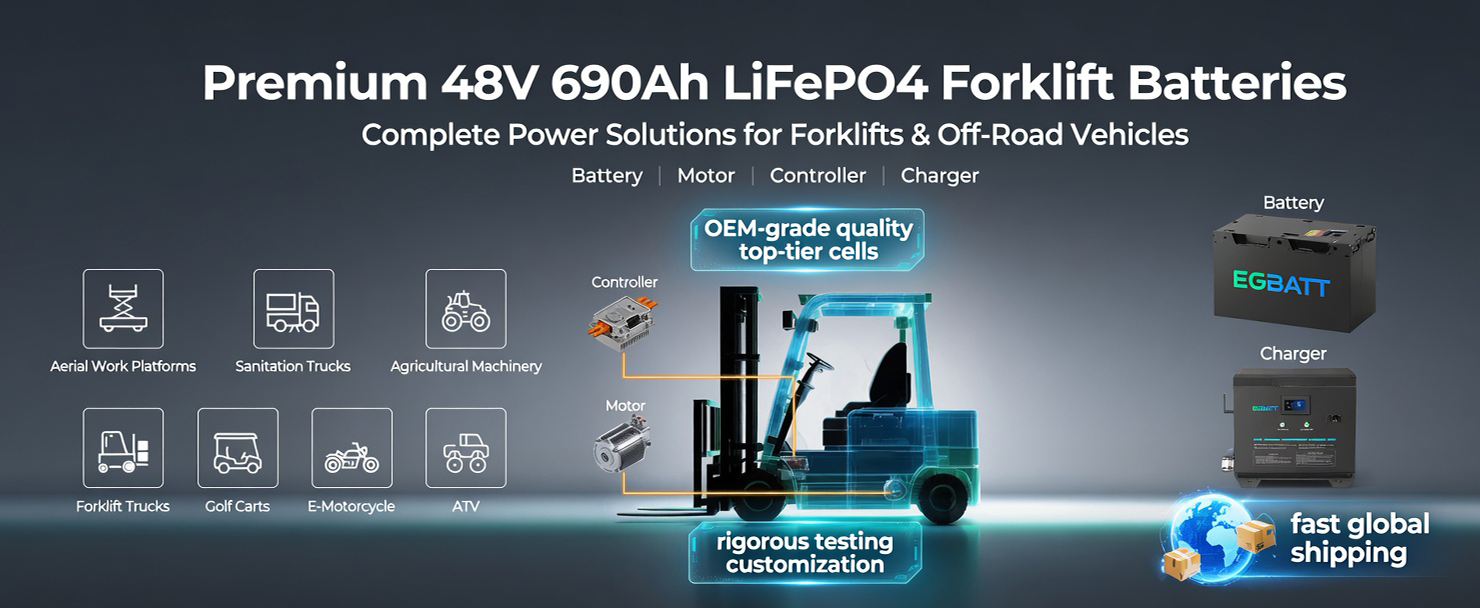
What the nameplate should carry
- Model designation and nominal voltage / capacity in Ah and kWh
- Serial number, unique per unit — not per batch
- Rated charge and discharge current, and the voltage window
- Chemistry (LiFePO4) and cell manufacturer where contractually agreed
- Certification marks with the applicable standard versions
- Manufacture date and, where required, the UN number (UN3480 / UN3481)
How the traceability chain works
Serial number → production work order → cell batch and incoming inspection data → the matching-record that shows which cells went into which pack → the end-of-line test report for that specific unit → the design-level certificate that covers the model. When a customer reports a field issue three years later, this is the chain that lets us identify whether it is one unit, one batch, or one design revision.
Ask any supplier to walk a serial number through this chain before you place a large order. The suppliers who can do it quickly are the ones who actually built the packs.
How do I get certification scoped for my market?
Step 1: Define the destination and the application
Name the destination country or port and the use case — grid-connected storage, off-grid, motive, UPS or telecom standby. The same pack needs different documents for each.
Step 2: List the documents your authority will actually demand
Pull the requirement from the AHJ, the utility interconnection rules or the tender document. Write down the standard version and, where stated, the required accreditation body.
Step 3: Map them against the certifications we already hold
We compare your list with our current file and report exactly what is already covered, what can be extended, and what needs new testing.
Step 4: Cost and schedule the testing scope
You receive the test items, sample quantity, laboratory and lead time as a costed line item. Reusing existing marks costs nothing; new market-specific testing is typically 6–14 weeks plus sample build.
Step 5: Build and submit samples
Samples are built on the production process, not on a bench, so the tested unit represents what you will actually receive.
Step 6: Receive the document package and update the nameplate
You get the reports, declarations and transport documents, and the nameplate is updated with the marks and standard versions before production starts.
Tell us the destination and the application. We will map the testing path and tell you what it costs and how long it takes before you commit.
Certification FAQs
Can you certify for our specific market?
In most cases yes, as a project cost. Tell us the destination and the application and we will scope the testing — which standards apply, how many samples are needed, which laboratory, and the lead time. You get that as a costed line item before you commit.
Are certificates issued in our company name?
For some standards yes, through a separate application. UL listings and several national marks can be held by the buyer or the importing entity; others — such as the UN38.3 test summary and ISO 9001 — belong to the design or the manufacturing site and cannot be transferred. We tell you which is which before you commit.
Do you provide UN38.3 for every shipment?
Yes. A UN38.3 test summary ships with every cross-border lithium battery order, at no extra charge. Carriers and customs require it for Class 9 dangerous goods, so we treat it as part of the shipment rather than an optional document.
What is the difference between a test report and a certificate?
A certificate is a one-page conclusion that a product type met a standard, bound to a model and a scope. A test report is the underlying laboratory data: sample description, photographs, test conditions and measured values. For technical review and tenders, ask for the report — the certificate alone will not answer a reviewer’s questions.
How long does certification for a new market take?
Using marks we already hold adds nothing to your schedule. New market-specific testing is typically 6–14 weeks, plus the time to build samples. National schemes that require in-country registration can add further time and should be planned before the shipping date, not after.
Can I use an existing certificate for a different model?
Usually not. Certificates are scoped to a model, voltage window, capacity range and BMS configuration. A 48 V 100 Ah rack certificate does not cover a 48 V 280 Ah rack from the same factory. Some schemes allow an extension with limited additional testing — we check the scope and tell you whether an extension or a new test is needed.
Does having UL 9540A mean the system passed?
No. UL 9540A is a test method that produces thermal runaway propagation data; it does not issue a pass or fail. Your authority having jurisdiction reads that data to decide clearances, sprinkler demand and whether units may be installed adjacent to each other. Two suppliers can both hold 9540A data and get different AHJ decisions.
Is CE a certificate issued by a laboratory?
No. CE is a declaration of conformity made by the manufacturer (or the importer placing the product on the EU market under their own name), supported by a technical file. A laboratory may produce the test evidence, but the declaration is a legal act by the declarant — which is why importers outside the EU need to understand that they may become the declarant.
What documents ship with a lithium battery order?
UN38.3 test summary, SDS/MSDS, dangerous-goods declaration and packing declaration with the UN number (UN3480 for batteries alone, UN3481 with or in equipment), plus the commercial documents. Safety certificates and declarations of conformity are provided per the destination requirements agreed at order stage.
Do you support the EU battery passport and carbon footprint requirements?
The EU Battery Regulation (EU) 2023/1542 phases in carbon footprint declarations, recycled content rules and a digital battery passport on a staged timetable that depends on product category. Tell us your category and intended date of placing on the market and we will confirm which obligations currently apply rather than giving you a generic answer.
Need a certification scoped for your market?
Certified, traceable, audit-ready supply. Share your destination and application and we will map the testing path before you commit. You will receive the applicable standards, the documents already covered, the test items needed, and the cost and lead time — as a written scope, not an estimate.
Certified battery lines
Every line below is built under the ISO 9001 process and ships with the transport and compliance documentation listed above.
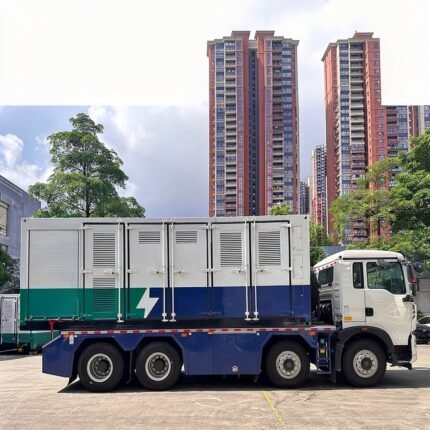
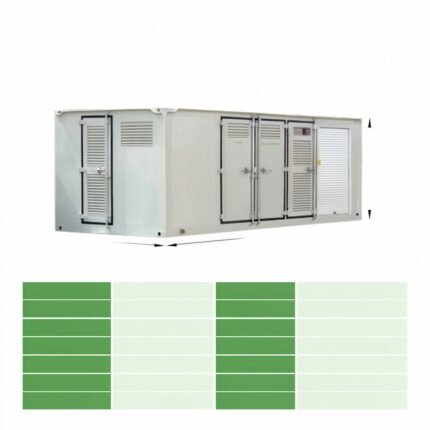
1000kWh Mobile BESS EV Charging Station for Emergency Power & Heavy-Duty Vehicle Fast Charging
CMX 1000kWh mobile BESS EV charging station — a 1 MWh LiFePO4 bank and a 480kW DC fast charger on a heavy-duty truck platform, for fleets with no grid connection. Factory-direct with OEM/ODM options.
- Performance: 480kW DC fast charging, 6,000+ cycles @ 80% DoD, Grade A automotive cells and smart BMS.
- Compliance: CE, RoHS, UN38.3 and IEC62619 (UL available); CAN / RS485 / RS232.
- Best for: Heavy-duty truck, bus and fleet charging; emergency, construction, mining, port and highway sites with no grid.
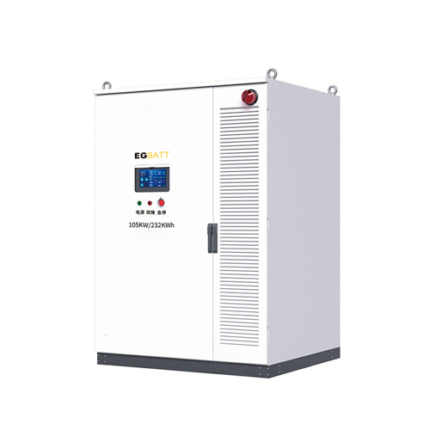
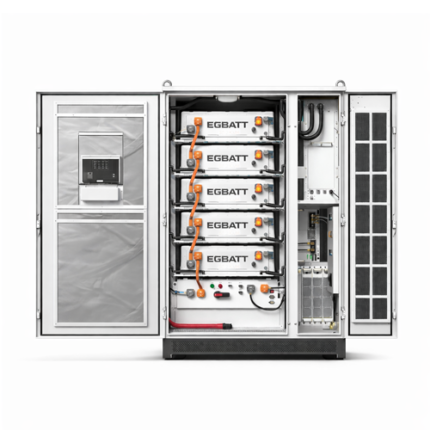
105kW/232kWh Liquid Cooling outdoor ESS | Factory Peak Shaving


10KWh 48V 200Ah LiFePO4 lithium battery pack for residential
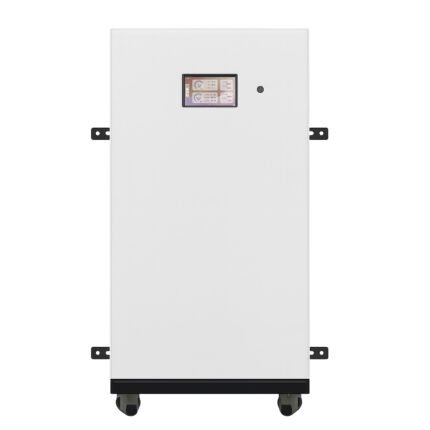
The 10kWh 48V 200Ah lithium battery is a high-performance solar home lithium battery, built with advanced LiFePO4 battery cells for maximum safety, efficiency, and durability. Designed for residential solar energy storage, this 10kWh lithium battery delivers stable power output, over 6000 cycles of long life, and excellent thermal stability.
Perfect for both new and retrofit solar installations, this wall-mounted 10kWh 48V 200Ah LiFePO4 battery offers compact size, easy installation, and wide inverter compatibility. Whether you’re upgrading your off-grid system or adding backup power to your grid-tied home, this solar lithium battery provides a reliable, safe, and future-ready energy storage solution.
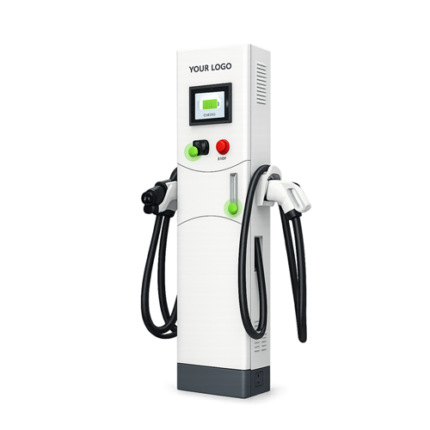
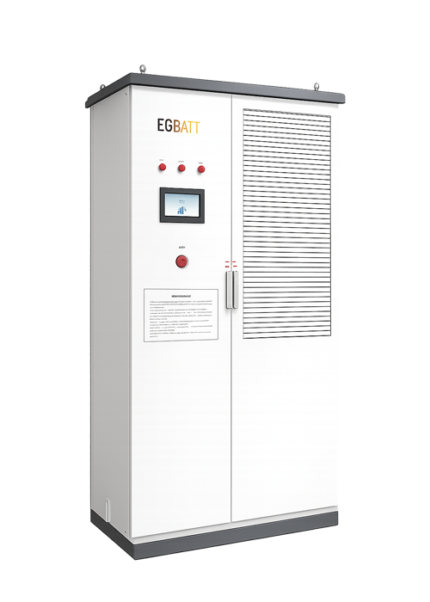
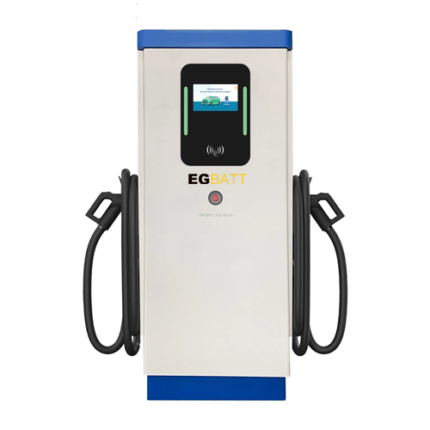
120kW Split DC Fast Charger for Commercial EV Charging Stations
- Charger Type: Split DC Fast Charger (Power Cabinet + Dispensing Terminals)
- Total Output Power: 120 kW, dynamically allocated across 4 charging points
- Voltage Range: 200–1000 V ultra-wide output, compatible with all EVs
- Efficiency: ≥ 96% high-efficiency DC conversion
- Power Management: Intelligent load allocation & dynamic load balancing
- Applications: Commercial charging stations, fleet depots, public EV networks
- Operational Savings: Up to 25% lower electricity costs via smart load distribution
- Future-Proof: Designed for current and next-generation electric vehicles
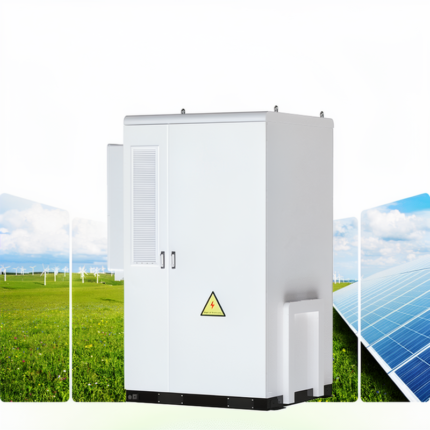
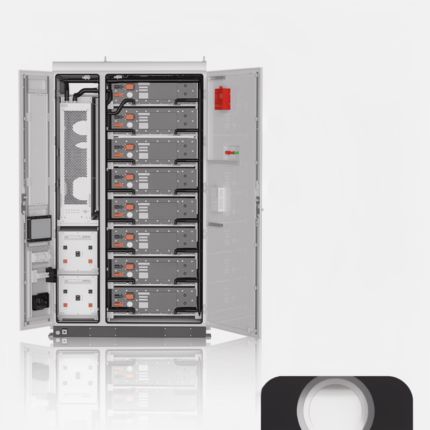
125kW 418kWh Liquid-Cooled BESS | Commercial Solar Battery Storage System Manufacturer
CMX Battery 418 kWh 125 kW commercial energy storage system — factory-direct from a LiFePO4 battery manufacturer and OEM/ODM partner, supplied wholesale and in bulk with private-label options.
- Performance: 6,000+ cycles @ 80% DoD with Grade A automotive cells and smart BMS protection; 5–10 year warranty.
- Compliance: Certified to CE, RoHS, UN38.3 and IEC62619 (UL available); CAN / RS485 / RS232 for inverter and EMS integration.
- Best for: Factory and commercial peak shaving; Microgrid and islanded sites; Solar + storage for warehouses.
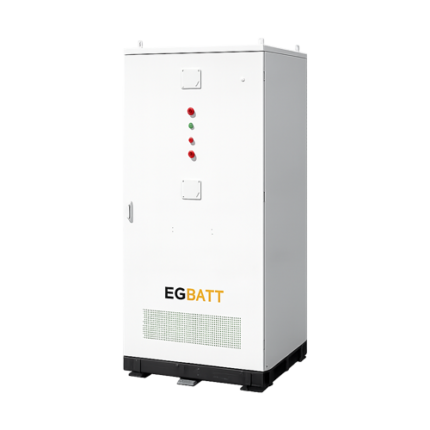
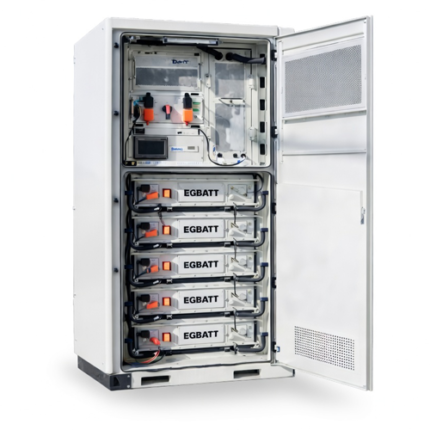
125kW/261kWh Liquid-Cooled Integrated Energy Storage Cabinet
- All-in-one plug-and-play design with factory-integrated PCS, BMS, EMS, and liquid cooling system
- 125KW+261KWh BESS delivering 125 kW power and 261 kWh energy in a single compact cabinet
- Advanced liquid cooling for optimal performance from -30°C to 60°C
- Premium EVE LFP cells with 832V high-voltage architecture and ≥6000 cycles
- Multi-layer hybrid fire suppression using Novec 1230
- IP54 outdoor-rated with surge protection, dehumidifier, and water-leak sensor
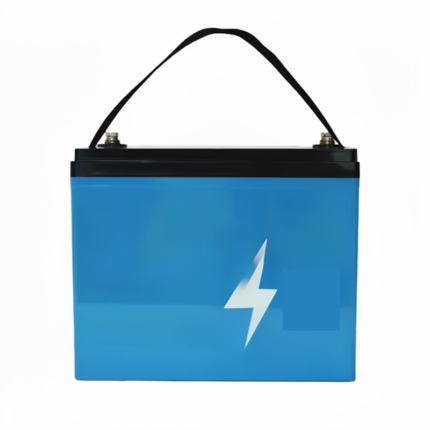
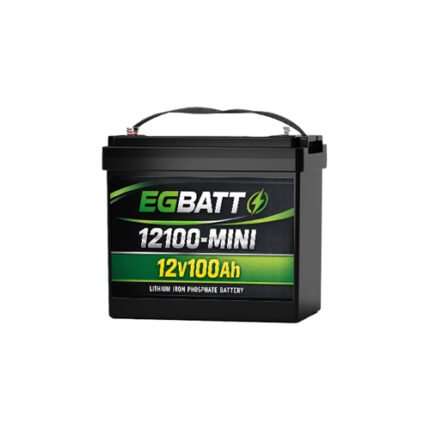
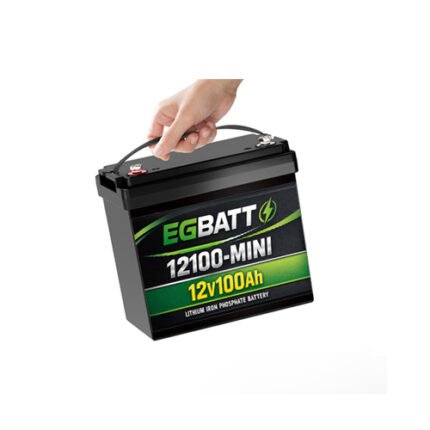
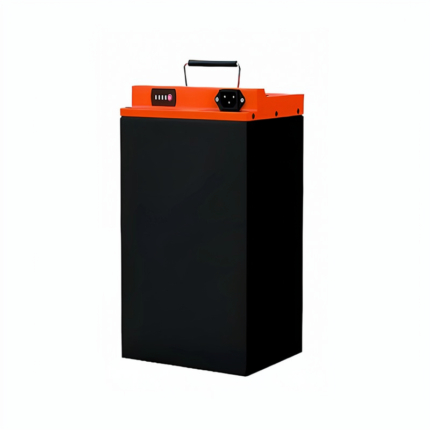
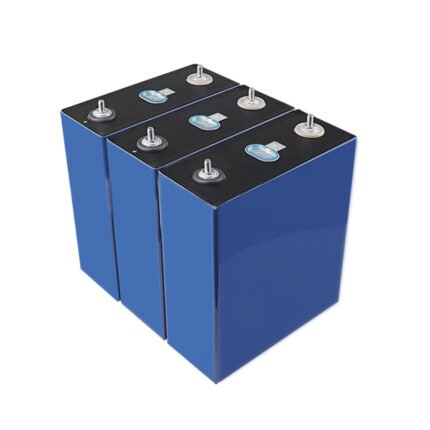
12V 100Ah Mini Group 22NF Lithium RV Battery
Explore CMX Battery
- About CMX Battery — who builds the packs and how
- OEM & ODM process — the six-step build path
- Battery certifications explained — what each standard actually tests
- How to build a LiFePO4 pack
- Energy storage solutions & applications
- Wholesale & container supply
- Guides & resources
- All products
- Contact sales