
How to Evaluate Lithium Battery Manufacturers
Quick answer: Vetting a LiFePO4 manufacturer is about evidence, not claims. Ask for five things: proof of new Grade-A cells (not second-life), per-cell matching reports, the actual certification test reports (not a datasheet mark), full BMS specifications (topology, current, communications), and batch traceability keyed to serial numbers. Red flags: refusing test data, vague certification, no traceability, and pressure to skip UN38.3. If you are unsure which documents to demand, our certificate requirement checker lists them by destination market and application.
Picking a battery supplier is picking a risk — CMX Battery gives the checklist we would want a buyer to use on us, including the red flags that end conversations.
What should you ask a battery manufacturer for?
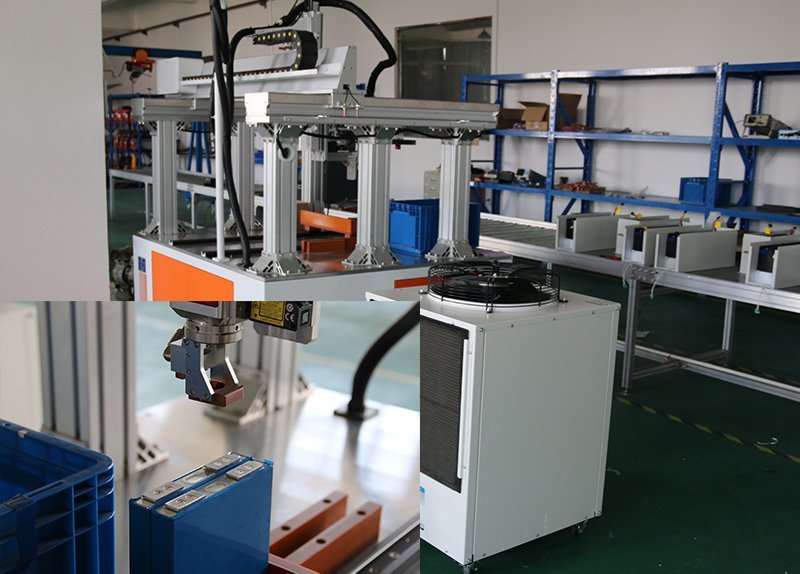
Vetting a LiFePO4 manufacturer is about evidence, not claims. Ask for new Grade-A cell proof (not second-life), per-cell matching reports, the actual certification test reports (not a mark on a datasheet), BMS specifications (topology, current, comms), and batch traceability keyed to serial numbers. Probe OEM/ODM capability if you need custom work: NDA-backed development, neutral labelling, and engineering that engages your spec rather than pushing stock. Red flags: refusing test data, vague certification, no traceability, and pressure to skip UN38.3. CMX Battery meets this checklist and invites you to apply it to us.
| Evidence | What good looks like | Why it matters |
|---|---|---|
| Cell grade | New Grade-A cells with supplier proof | Not second-life or downgraded stock sold as new. |
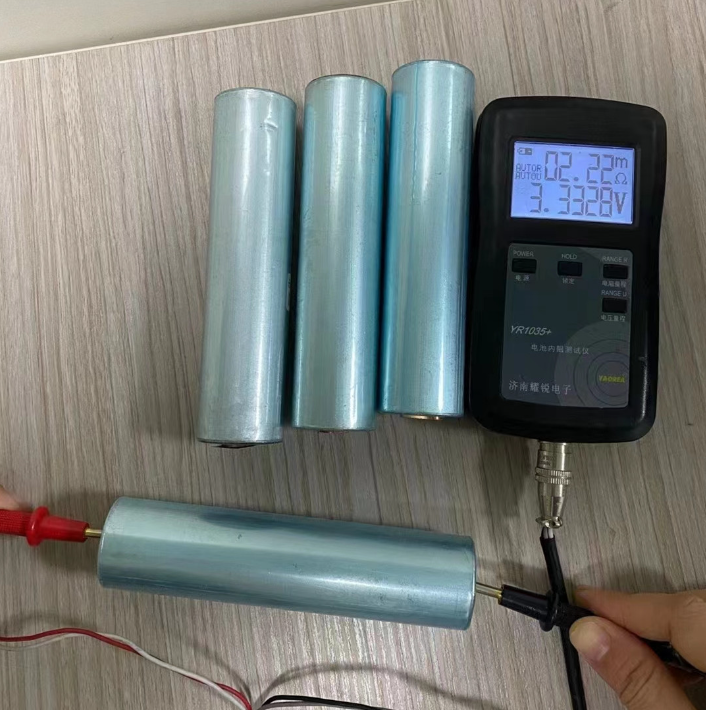
| Test data | Per-cell capacity, internal resistance, thickness | Your incoming QC baseline. |
| Certifications | Actual test reports, per destination market | UN38.3 minimum for shipping. |
| BMS | Topology, current rating, communications specified | Specified, not vague. |
| Traceability | Batch records keyed to serial numbers | Warranty claims and recall containment. |
How do you score a shortlist?
Score each supplier on the five evidence items above, plus engineering engagement. A practical weighting for a custom OEM programme:
| Criterion | Weight | Passing evidence |
|---|---|---|
| Cell grade and proof | 25% | Written confirmation of new Grade-A cells, with the cell maker named. |
| Per-cell test data | 20% | Matching report with capacity, IR and thickness per serial number. |
| Certification reports | 20% | Numbered test reports covering your exact model family. |
| BMS specification | 15% | Published topology, current ratings and communication protocol. |
| Traceability | 10% | Batch-to-serial records and a stated retention period. |
| Engineering engagement | 10% | Responds to your spec with questions and alternatives, not just a catalogue. |
What are the red flags?
- Refusing test data — a supplier who will not share per-cell reports usually cannot.
- Vague certification — a mark on a datasheet with no report number or expiry date.
- No traceability — if they cannot map a serial number to a batch, a warranty claim is unwinnable.
- Pressure to skip UN38.3 — this is an illegal shipment risk, not a cost saving.
- Only stock answers — pushing a catalogue model when you have given a mechanical drawing or a load profile.
- Price far below the field — usually second-life cells, no certification, or no warranty.
How do you check OEM/ODM capability?
- Ask whether development can be NDA-backed before you share drawings.
- Confirm neutral or private labelling is available, with artwork control on your side.
- Test whether engineering engages your specification — do they ask about duty cycle, ambient temperature and certification target, or just quote the nearest stock model?
- Request a prototype build report and, for volume, a pilot run before committing to a container.
Engineering & manufacturing at CMX Battery
Our guides are written by the same engineering team that grades the cells and builds the packs. They are meant to help importers, installers and procurement specifiers make defensible decisions — not to rank for a keyword.
What certifications & compliance apply?
- UN38.3 — Mandatory lithium battery transport test (altitude, thermal, vibration, shock, external short). Required for any cross-border shipment.
- IEC62619 — International safety standard for industrial Li-ion cells and batteries; expected by EU and most APAC buyers.
- UL1973 — North American safety standard for stationary lithium battery systems.
- CE — EU declaration of conformity for the applicable directives.
- RoHS — Restriction of hazardous substances in the battery and BMS.
Frequently asked questions
What is the first thing to ask a battery manufacturer?
For per-cell test reports and the actual certification files — claims are not evidence. A credible supplier will share both without hesitation.
What are the red flags?
Refusing test data, vague certification, no traceability, and pressure to skip UN38.3. Any one of these is a reason to keep looking.
What is a cell matching report?
A report with per-cell capacity, internal resistance and thickness, keyed to serial numbers. It is the document that proves the pack was built from matched cells.
How do I check OEM/ODM capability?
Look for NDA-backed development, neutral labelling, and engineering that engages your spec rather than pushing stock models.
How do I verify the cells are really Grade-A?
Ask which cell maker and grade is being used, then request the incoming inspection data for that batch. Grade-A cells come with maker traceability; second-life and B-grade do not.
Should I audit the factory?
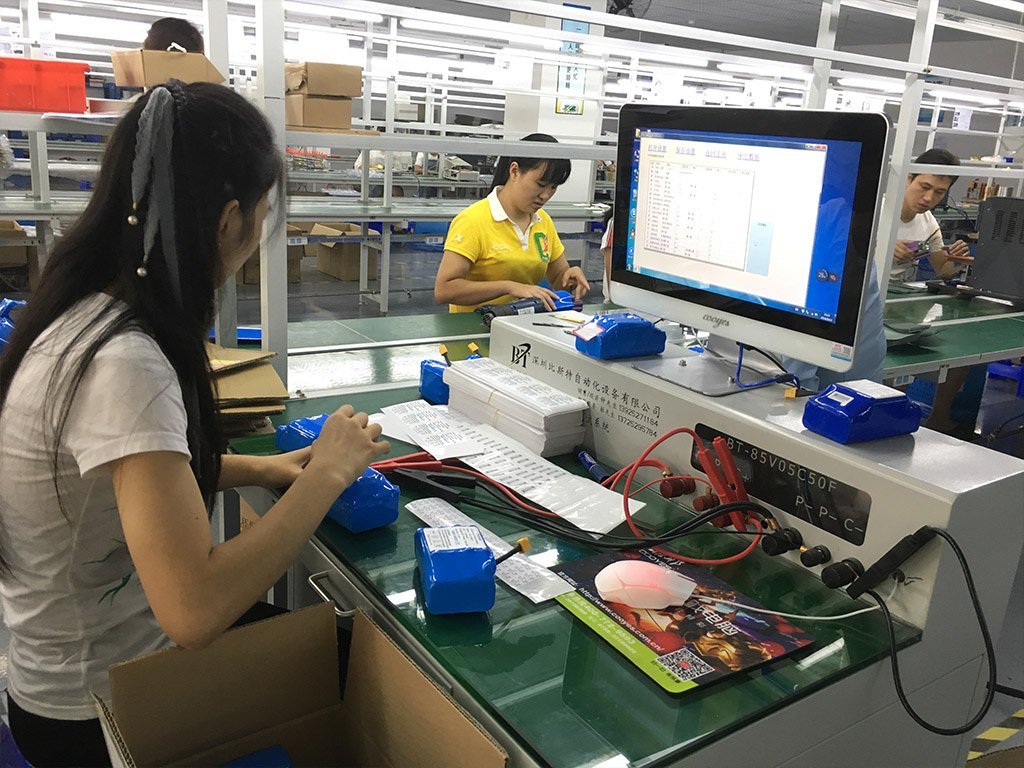
For volume programmes, yes — in person or by video. Ask to see cell grading, welding, the BMS programming station and the pack test area, and check that records are kept per serial number.
Related products & resources
Request a LiFePO4 quote
Tell us your product, volume and specs — our engineering team returns a proposal within three working days. Or review our custom pack capabilities.