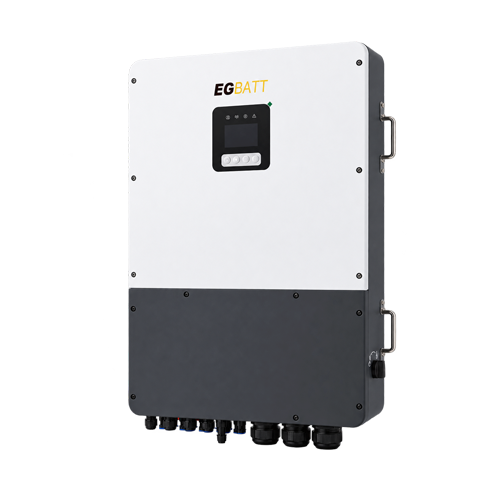
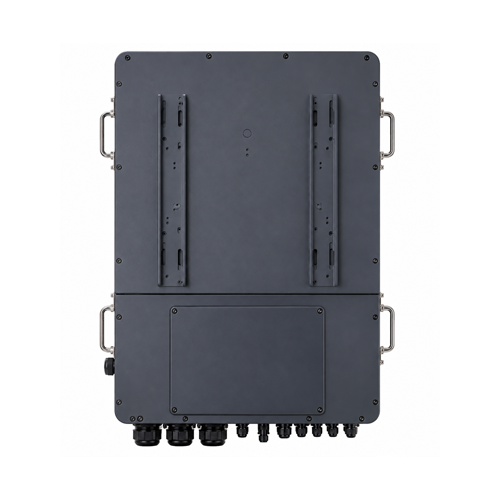
30-70kW Commercial Hybrid Inverter for 208V and 480V Three-Phase Systems
From $5,450.00Login for exact price
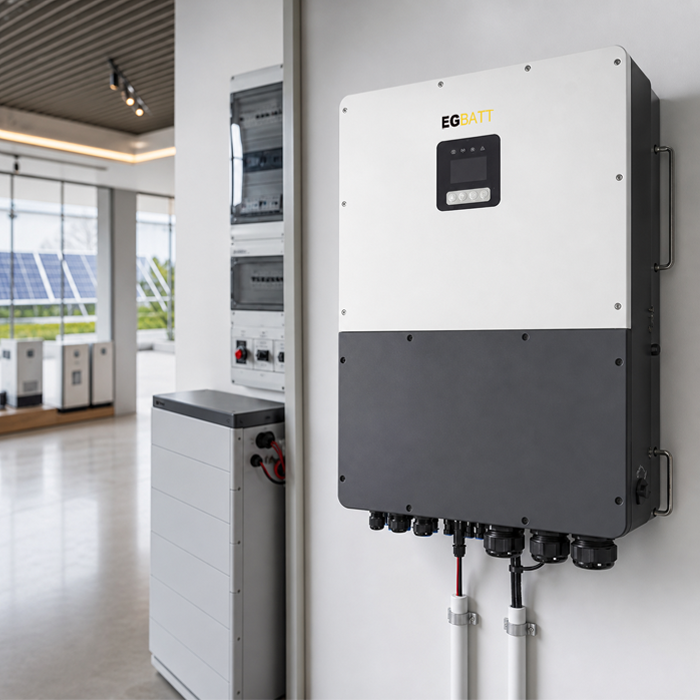
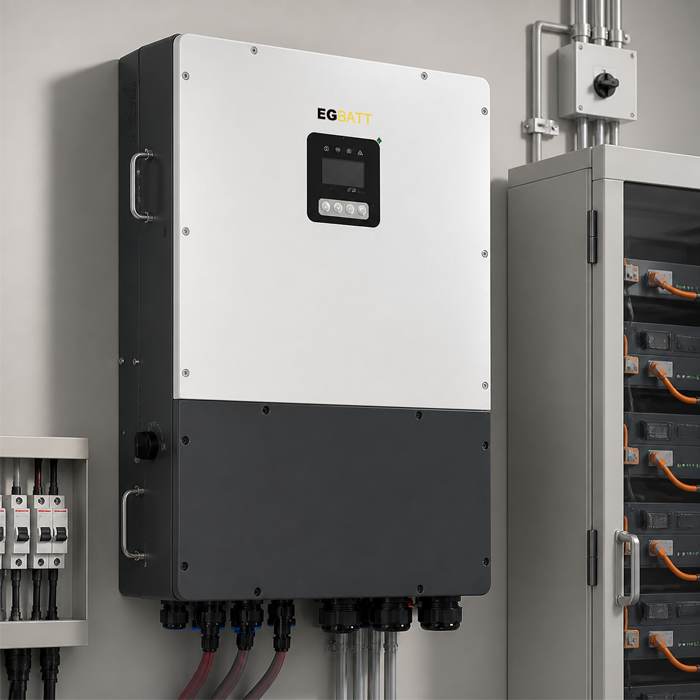
The CMX Battery 30-70KW Hybrid Inverter is a high-voltage, three-phase commercial hybrid inverter platform that coordinates solar PV, battery storage, utility power and protected loads.
Select the 30kW 120/208V model or a 40kW, 50kW, 60kW or 70kW 277/480V model to match the facility’s electrical service and energy strategy.
- 4 MPPTs and 8 PV inputs for flexible commercial array design
- Dual 100A battery channels for high-power charging and discharging
- <20ms EPS transfer for correctly sized critical-load backup
- Up to 6 units in parallel for scalable on-grid and off-grid systems
- IP66 outdoor enclosure with AC coupling and optional generator integration
Before choosing a model, use our 208V vs 480V commercial hybrid inverter selection guide to compare service voltage, load sizing, battery compatibility, PV string design and backup requirements.
Product Overview
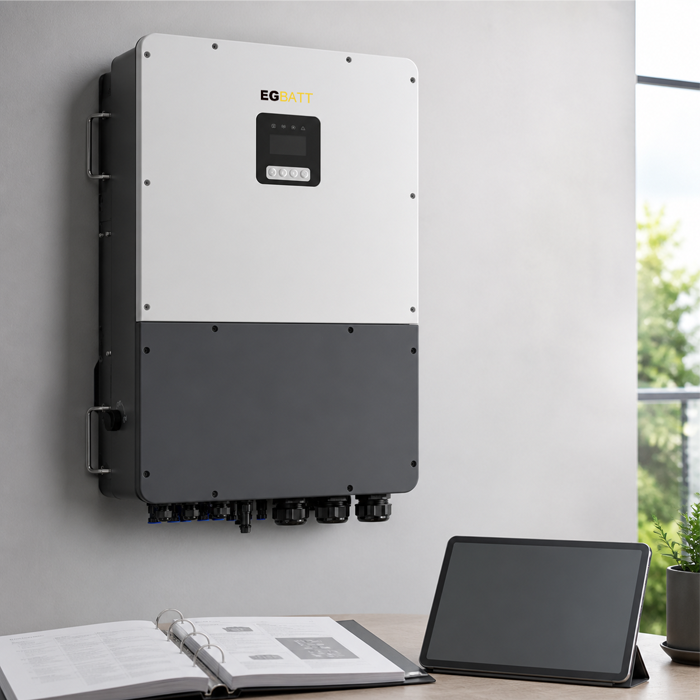
The CMX Battery 30kW-70kW commercial hybrid inverter is designed for commercial and industrial solar energy storage systems that require high-power solar input, high-voltage battery storage, three-phase grid connection and backup power in one integrated solution.
Available in 30kW 120/208V and 40kW, 50kW, 60kW and 70kW 277/480V models, this three-phase hybrid inverter is suitable for warehouses, factories, farms, offices, retail buildings, workshops and other C&I applications.
With 4 MPPT trackers, 8 PV inputs, 150-850V high-voltage battery support, AC coupling, time-of-use control, peak shaving, zero-export control and EPS backup, the inverter can help businesses increase solar self-consumption, reduce grid electricity costs and maintain critical loads during power outages.
The system also supports remote monitoring, optional generator integration and up to 6 inverters in parallel, making it suitable for both standalone commercial projects and larger scalable C&I battery energy storage systems.
Designed by CMX Battery specifically to work with CMX Battery high-voltage energy storage batteries, this commercial hybrid inverter offers better system compatibility, stable BMS communication and a highly competitive system cost.
Suitable for commercial solar + battery storage, peak shaving, backup power, AC-coupled retrofits, and scalable C&I energy storage systems.
Why Choose CMX Battery 30-70kW Commercial Hybrid Inverter?
Reduce avoidable energy cost
Store excess daytime solar and discharge it when grid electricity is more expensive.
Time-of-use scheduling and peak-shaving strategies can reduce grid dependence when they are configured around the site’s tariff and measured load profile.
Keep priority circuits operating
Use the EPS output with a correctly sized battery and critical-load panel to support selected lighting, controls, communications, refrigeration or process loads during a grid interruption.
Avoid voltage-selection mistakes
Choose a dedicated 120/208V 30kW model or a 277/480V 40-70kW model instead of adapting a residential inverter to a commercial three-phase service.
Design for growth
Start with the power needed today and plan expansion with up to six matching units in parallel, subject to the required communications, protection and system engineering.
Key Features & Benefits
| Feature | Technical Capability | Benefit |
|---|---|---|
| 4 MPPT Trackers | 8 PV inputs, 1,000V max input, 150–850V MPPT range. | Flexible for multi-orientation rooftop and ground-mount solar arrays. |
| High-Voltage Battery | 150–850V battery range, dual 100A channels, CAN/RS485. | Supports high-power commercial energy storage systems. |
| Fast EPS Backup | <20ms transfer, 110% EPS output, 150% peak power for <0.2s. | Fast backup with extra power for short load surges. |
| Smart Energy Control | Self-use, TOU, AC coupling, export limit, smart load and generator support. | Ideal for peak shaving, load shifting and solar self-consumption. |
| Scalable IP66 Design | 100% unbalanced output, remote monitoring, up to 6 units in parallel. | Suitable for scalable C&I solar and battery storage projects. |
Technical Specifications
| Model | Rated AC Power | Nominal AC Voltage | Max. PV Input | Charge / Discharge | Rated EPS |
|---|---|---|---|---|---|
| EGB-HH30K-P3US-S | 30kW / 30kVA | 120/208V, 3W+N+PE | 60kW | 30kW / 30kW | 30kW / 30kVA |
| EGB-HH40K-P3US-S | 40kW / 40kVA | 277/480V, 3W+N+PE | 80kW | 40kW / 40kW | 40kW / 40kVA |
| EGB-HH50K-P3US-S | 50kW / 50kVA | 277/480V, 3W+N+PE | 100kW | 50kW / 50kW | 50kW / 50kVA |
| EGB-HH60K-P3US-S | 60kW / 60kVA | 277/480V, 3W+N+PE | 100kW | 60kW / 60kW | 60kW / 60kVA |
| EGB-HH70K-P3US-S | 70kW / 70kVA | 277/480V, 3W+N+PE | 100kW | 70kW / 70kW | 70kW / 70kVA |
Battery and PV Input Data
| Specification | Data |
|---|---|
| Battery Type | Lithium-ion / lead-acid; exact battery approval required |
| Battery Voltage Range | 150–850V DC |
| Full-Power Battery Voltage | 30kW: 150–700V; 40kW: 200–850V; 50kW: 250–850V; 60kW: 300–850V; 70kW: 350–850V DC |
| Rated / Max. Battery Current | 2 × 100A DC charge/discharge |
| Battery Communication | CAN / RS485 |
| Recommended Max. PV Array | 30kW: 90kW; 40kW: 120kW; 50–70kW: 150kW |
| Maximum PV Input Power | 30kW: 60kW; 40kW: 80kW; 50–70kW: 100kW |
| Maximum PV Input Voltage | 1,000V DC |
| PV Operating / MPPT Range | 150–950V DC / 150–850V DC |
| Full-Power MPPT Range | 30kW: 375–750V; 40kW: 500–850V; 50–70kW: 625–850V DC |
| Start-Up Voltage | 200V DC |
| MPPT / PV Inputs | 4 MPPTs / 2 strings per MPPT / 8 inputs total |
| PV Current per String | 20A max. operating current / 30A max. Isc |
Grid, Backup and General Data
| Specification | Data |
|---|---|
| Nominal Frequency / Power Factor | 50Hz or 60Hz / 0.8 leading to 0.8 lagging |
| Grid Current Distortion | THDi <3% at rated power |
| EPS Transfer / Voltage Distortion | <20ms / THDv <3% with linear load |
| EPS Maximum Active Power | 33kW / 44kW / 55kW / 66kW / 77kW by model |
| EPS Peak Apparent Power | 45 / 60 / 75 / 90 / 105kVA for <0.2s by model |
| MPPT / Max. / Euro Efficiency | 99.90% / 98.00% / 97.00% |
| Ingress Protection | IP66; outdoor and wet-location rated |
| Operating Temperature | -25°C to +60°C; linear derating above +45°C to 60% at +60°C |
| Humidity / Altitude | 0–100% non-condensing / 4,000m max.; derating above 2,000m |
| Cooling / Typical Noise | Intelligent air cooling / <65dB |
| Dimensions / Net Weight | 544 × 880 × 278mm / 88kg |
| Communication | RS485, Wi-Fi, Bluetooth, LAN, CAN, DRM and meter; availability varies |
| Display / Parallel Operation | LED + app / up to 6 units |
| Safety & Grid Standards | UL 1741-2021 (UL1741SB / UL1741SA), CSA C22.2 No. 107.1-16, IEEE 1547-2018, IEEE 1547a-2020, IEEE 1547.1-2020, UL 1741 CRD-PCS and UL 1699B. |
PDF Download
Commercial Hybrid Inverter Applications
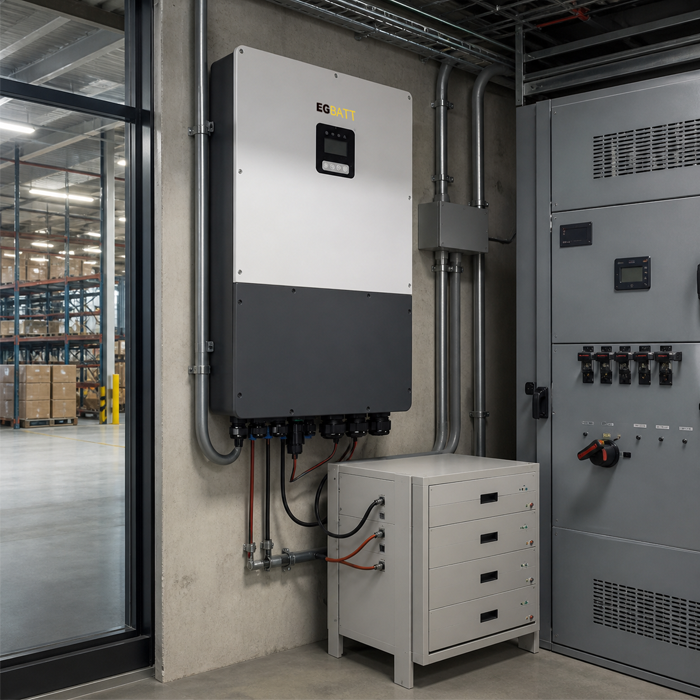
Warehouses, Workshops and Light Manufacturing
A 40kW–70kW 480V commercial hybrid inverter combines solar PV, high-voltage battery storage, peak shaving, load shifting, EPS backup, and 277/480V three-phase power for commercial and industrial energy storage systems.
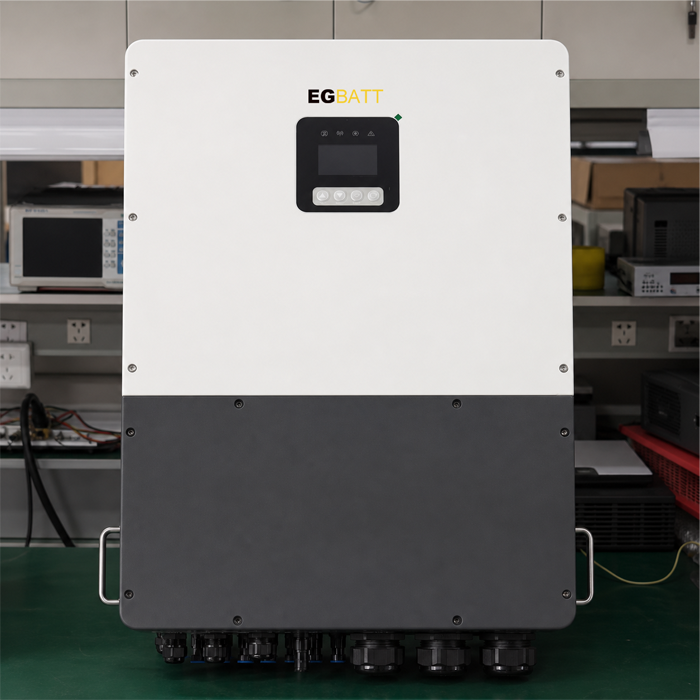
Retail, Offices, Schools and Community Buildings
A 30kW 208V three-phase hybrid inverter combines solar self-consumption, battery storage, EPS backup, and 100% unbalanced output for 120/208V light-commercial energy storage systems.
Farms, Remote Sites and Generator-Assisted Microgrids
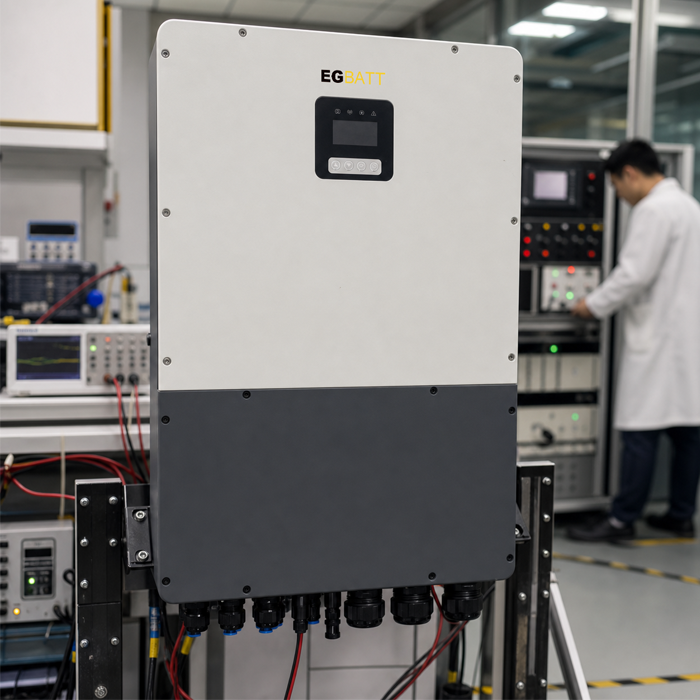
An AC-coupled hybrid inverter with optional generator integration combines solar, high-voltage battery storage, grid power and backup generation for weak-grid and outage-prone commercial sites.
Installation & Compatibility
System Compatibility
Before ordering, verify the following:
- Battery: Approved lithium-ion or lead-acid system within 150–850V DC
- BMS: Compatible CAN or RS485 protocol, firmware and cable pinout
- PV: Below 1,000V DC and within MPPT and string current limits
- Grid: 120/208V for 30kW; 277/480V for 40–70kW models
- Generator: Optional compatible input; confirm voltage, frequency and control requirements
- Metering: External meter or CTs for export limitation and energy management
- Parallel Operation: Up to 6 matching inverters
Installation Requirements
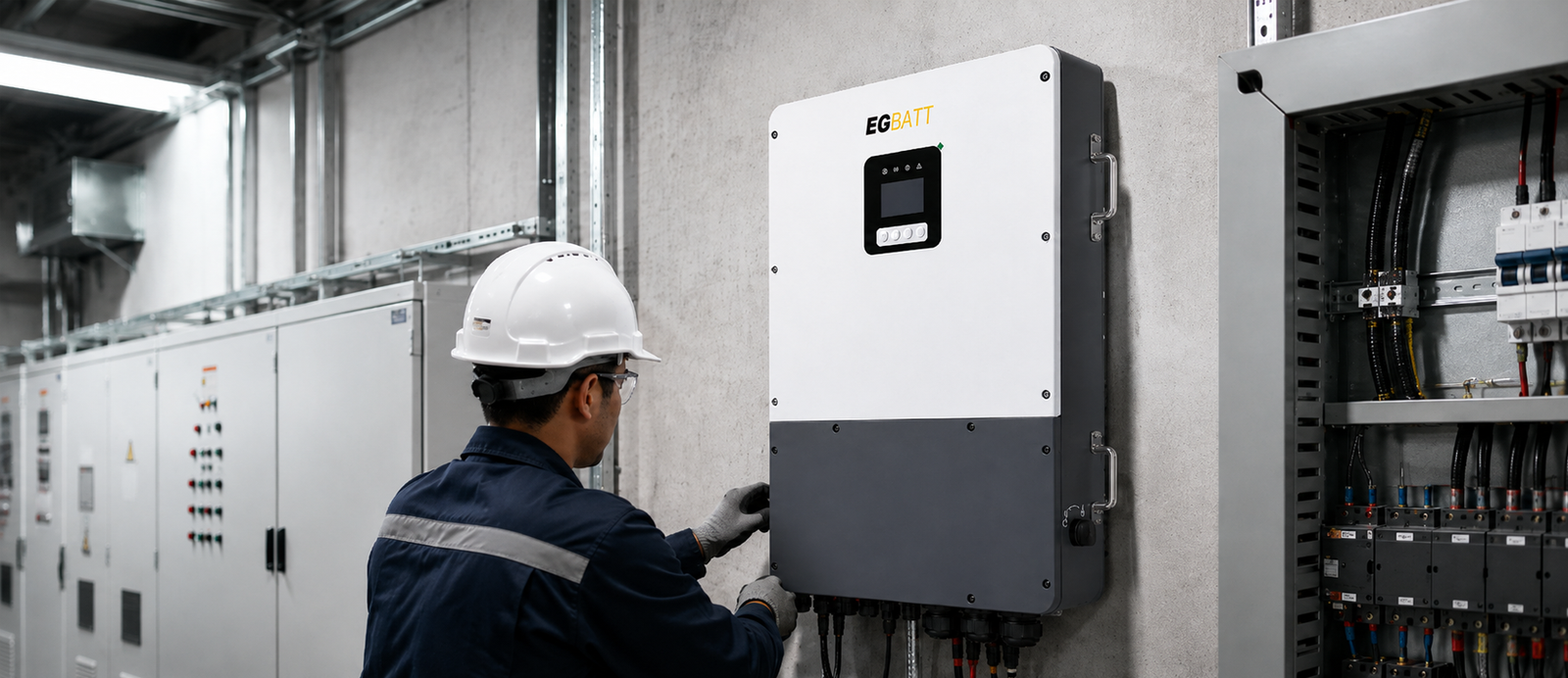
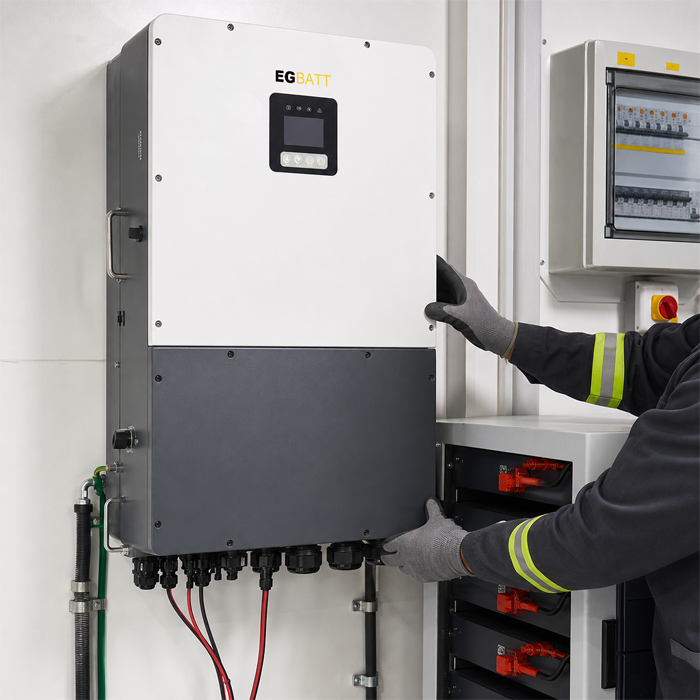
Install the inverter vertically on a secure structure with adequate clearance and ventilation.
The IP66 enclosure supports outdoor installation, but excessive direct sunlight and heat should be avoided.
- Operating temperature: -25°C to +60°C
- Power derating: Above +45°C
- Altitude derating: Above 2,000m
- Net weight: 88kg
Cable sizing, grounding, protection devices and commissioning should be completed by qualified personnel according to local electrical requirements.
System Sizing
Select the inverter according to the site’s actual load profile.
Key factors include:
- Continuous load
- Peak demand
- Motor starting current
- Critical backup loads
- Required backup time
Battery capacity determines runtime, while battery voltage and current determine the available charge and discharge power.
Why Choose CMX Battery Commercial Hybrid Inverters?
A commercial hybrid inverter should be selected as part of a complete solar and battery energy storage system, not as a standalone device.
CMX Battery evaluates the key requirements of each project, including grid voltage, load profile, critical loads, solar PV capacity, battery storage, generator integration, and export control.
This project-based approach helps customers choose the correct 208V or 480V commercial inverter and identify compatibility issues before installation.
Model-Specific Selection:
Choose the right solution from the 30kW 208V model or 40kW–70kW 480V models based on your commercial electrical system.
Battery and System Compatibility:
We help verify the battery voltage, BMS communication, PV string design, generator requirements, and metering system.
Commercial Project Support:
Quotations can be prepared according to project size, quantity, destination, battery capacity, and optional accessories.
Frequently Asked Questions
1. Which model should I choose for a 208V or 480V commercial site?
Choose the 30kW model for 120/208V systems and the 40kW–70kW models for 277/480V systems. Final sizing should match your load, PV capacity, battery power and expansion plan
2. Which high-voltage batteries are compatible?
The inverter supports approved 150–850V high-voltage lithium or lead-acid batteries. Battery voltage, BMS protocol, current, firmware and communication cable must all match
3. Can this inverter work off-grid during an outage?
Yes. The EPS output can support critical loads with a compatible battery system. Transfer time is less than 20ms.
4. Can I connect a diesel generator or retrofit existing solar?
Yes. The inverter supports AC coupling and optional generator integration. Generator and existing PV compatibility should be confirmed before installation
5. Can multiple inverters operate in parallel?
Yes. Up to 6 matching inverters can operate in parallel for on-grid and off-grid systems
6. What warranty is available for the 30-70KW hybrid Inverter?
The EGB-HH30-70K-P3US-S series comes with a 5-year warranty.
Send Inquiry Here
| Voltage |
|---|
Related products
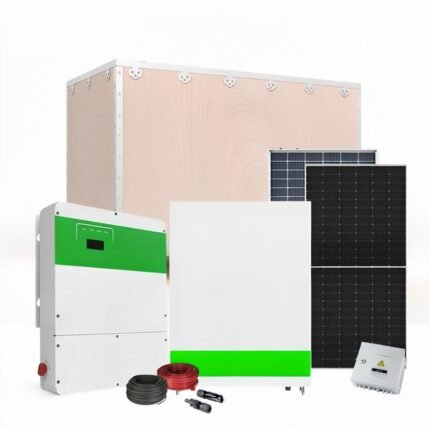
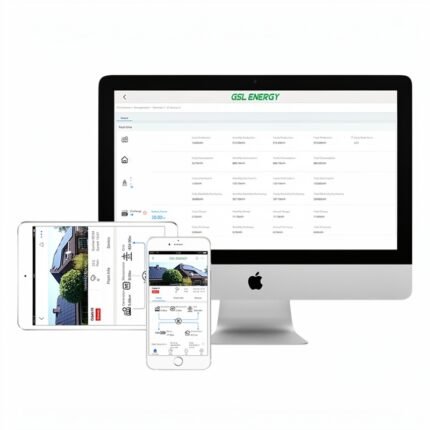
2022 New CMX Battery Hybrid Inverter Solar Energy Systems 5Kwh 10Kwh 20Kwh 30Kwh
CMX Battery 5 kWh hybrid solar inverter — factory-direct from a LiFePO4 battery manufacturer and OEM/ODM partner, supplied wholesale and in bulk with private-label options.
- Performance: 6,000+ cycles @ 80% DoD with Grade A automotive cells and smart BMS protection; 5–10 year warranty.
- Compliance: Certified to CE, RoHS, UN38.3 and IEC62619 (UL available); CAN / RS485 / RS232 for inverter and EMS integration.
- Best for: Home solar and storage systems; Off-grid cabins and RVs; Telecom and remote sites.


230V 1000W off grid hybrid Micro inverter with battery storage
230V 1000W off grid hybrid micro inverter
The 230V 1000W off grid hybrid micro inverter with battery storage is an advanced residential solar energy solution that integrates PV input, battery storage, AC coupling, and on/off-grid switching in a single compact system.By combining multiple functions, it helps homeowners lower electricity bills, reduce reliance on the grid, and enjoy reliable backup power when needed.This 230V 1000W micro inverter off grid system offers full flexibility, allowing you to configure different operation modes according to your energy needs. With remote Wi-Fi and local monitoring via APP, you can easily track inverter status, optimize energy usage, and enjoy true energy independence.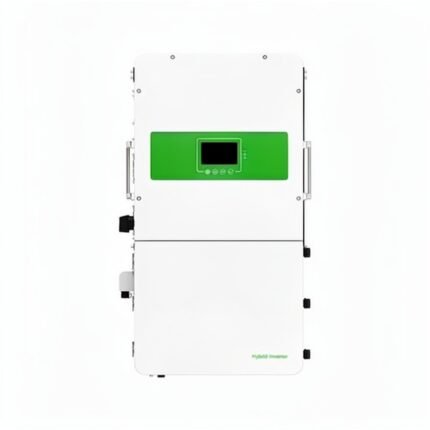
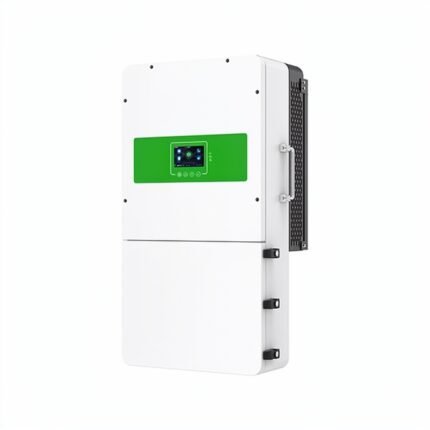
8kW / 10kW / 12kW Split Phase Solar Hybrid Inverter | All-in-One Energy Storage for Home & Business
CMX Battery 8 kW hybrid solar inverter — factory-direct from a LiFePO4 battery manufacturer and OEM/ODM partner, supplied wholesale and in bulk with private-label options.
- Performance: 6,000+ cycles @ 80% DoD with Grade A automotive cells and smart BMS protection; 5–10 year warranty.
- Compliance: Certified to CE, RoHS, UN38.3 and IEC62619 (UL available); CAN / RS485 / RS232 for inverter and EMS integration.
- Best for: Home solar and storage systems; Off-grid cabins and RVs; Telecom and remote sites.
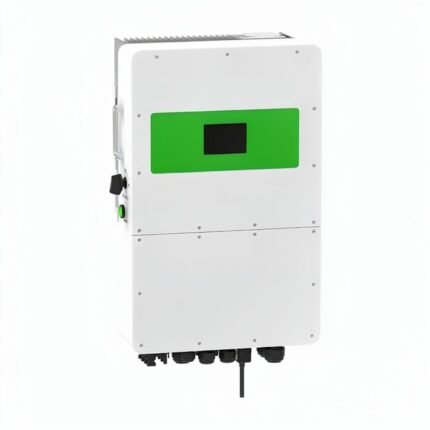
CMX Battery 10Kw High Voltage Battery Energy Storage System Hybrid Solar Inverter 3 Phase with MPPT Controller
CMX Battery 10 kW hybrid solar inverter — factory-direct from a LiFePO4 battery manufacturer and OEM/ODM partner, supplied wholesale and in bulk with private-label options.
- Performance: 6,000+ cycles @ 80% DoD with Grade A automotive cells and smart BMS protection; 5–10 year warranty.
- Compliance: Certified to CE, RoHS, UN38.3 and IEC62619 (UL available); CAN / RS485 / RS232 for inverter and EMS integration.
- Best for: Home solar and storage systems; Off-grid cabins and RVs; Telecom and remote sites.
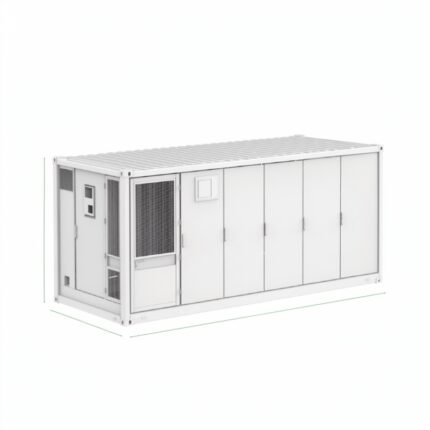
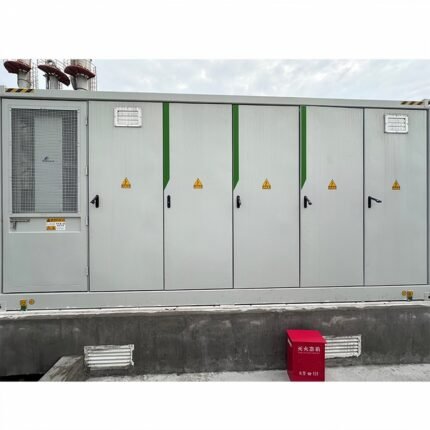
CMX Battery 3.72 MWh Liquid Cooling Container Energy Storage System – 20ft Storage Battery Manufacturer & PCS Inverter Supplier
CMX Battery 3.72 MWh hybrid solar inverter — factory-direct from a LiFePO4 battery manufacturer and OEM/ODM partner, supplied wholesale and in bulk with private-label options.
- Performance: 6,000+ cycles @ 80% DoD with Grade A automotive cells and smart BMS protection; 5–10 year warranty.
- Compliance: Certified to CE, RoHS, UN38.3 and IEC62619 (UL available); CAN / RS485 / RS232 for inverter and EMS integration.
- Best for: Home solar and storage systems; Off-grid cabins and RVs; Telecom and remote sites.
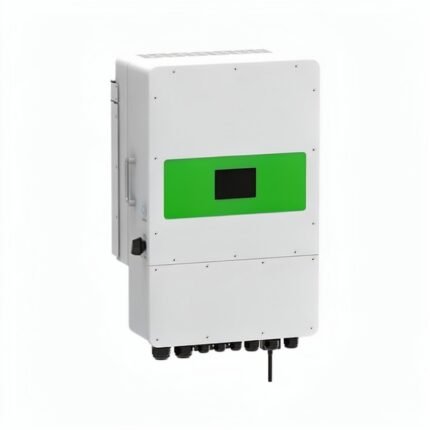
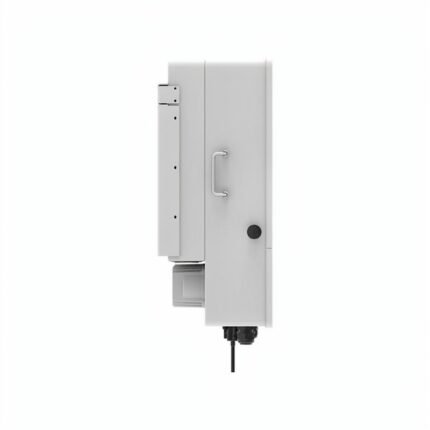
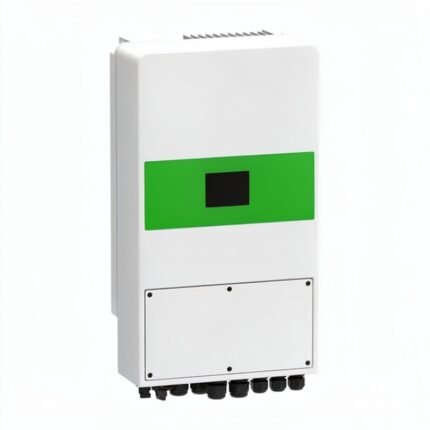
CMX Battery Home Solar Energy Storage EU Version Three Phase Pure Sine Wave 48 Voltage 8K Storage Solar Inverter
CMX Battery 48V hybrid solar inverter — factory-direct from a LiFePO4 battery manufacturer and OEM/ODM partner, supplied wholesale and in bulk with private-label options.
- Performance: 6,000+ cycles @ 80% DoD with Grade A automotive cells and smart BMS protection; 5–10 year warranty.
- Compliance: Certified to CE, RoHS, UN38.3 and IEC62619 (UL available); CAN / RS485 / RS232 for inverter and EMS integration.
- Best for: Home solar and storage systems; Off-grid cabins and RVs; Telecom and remote sites.
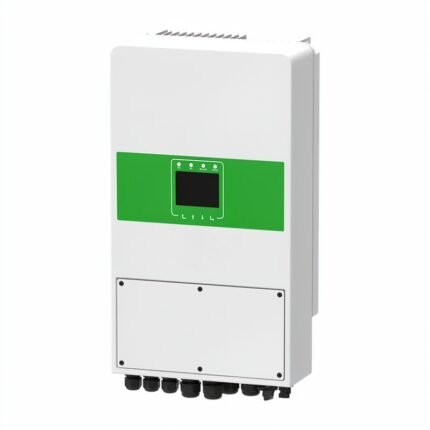
Power Inverter Single Phase Solar System 3.6kw on/off Grid Inverter For…
CMX Battery 3.6 kW hybrid solar inverter — factory-direct from a LiFePO4 battery manufacturer and OEM/ODM partner, supplied wholesale and in bulk with private-label options.
- Performance: 6,000+ cycles @ 80% DoD with Grade A automotive cells and smart BMS protection; 5–10 year warranty.
- Compliance: Certified to CE, RoHS, UN38.3 and IEC62619 (UL available); CAN / RS485 / RS232 for inverter and EMS integration.
- Best for: Home solar and storage systems; Off-grid cabins and RVs; Telecom and remote sites.
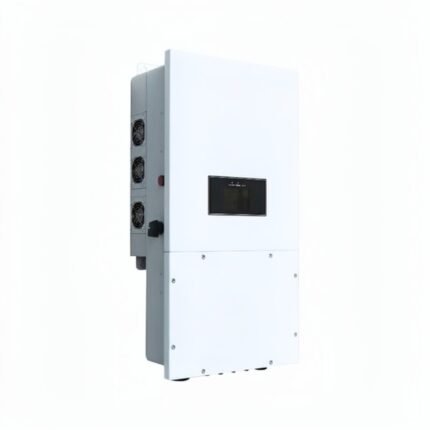
Split Phase Solar Inverter 10kW Hybrid Inverter American G10K-US
CMX Battery 10 kW hybrid solar inverter — factory-direct from a LiFePO4 battery manufacturer and OEM/ODM partner, supplied wholesale and in bulk with private-label options.
- Performance: 6,000+ cycles @ 80% DoD with Grade A automotive cells and smart BMS protection; 5–10 year warranty.
- Compliance: Certified to CE, RoHS, UN38.3 and IEC62619 (UL available); CAN / RS485 / RS232 for inverter and EMS integration.
- Best for: Home solar and storage systems; Off-grid cabins and RVs; Telecom and remote sites.