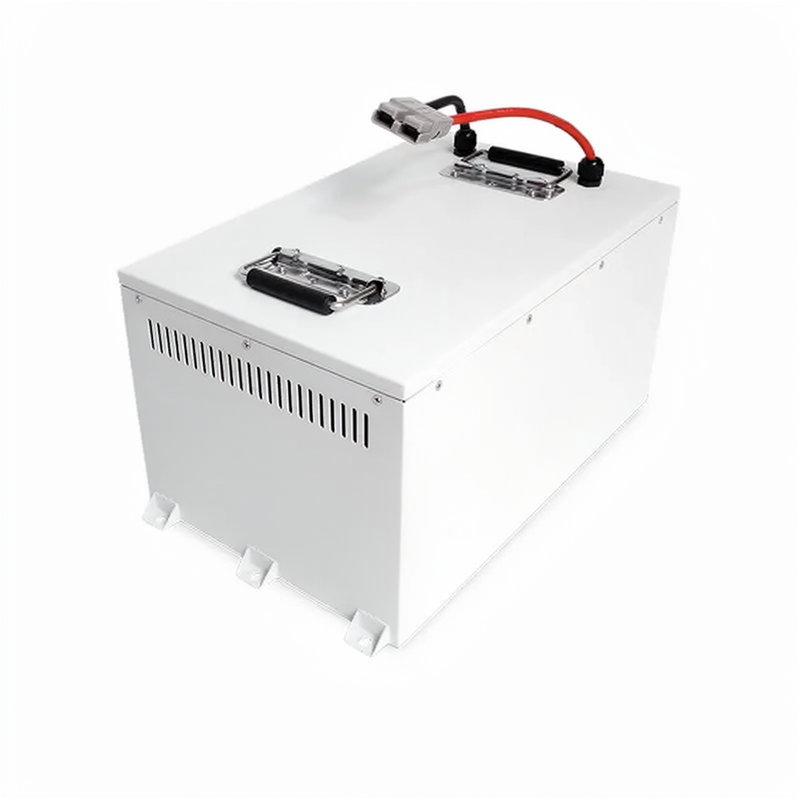
48V 100Ah Golf Cart Lithium Battery | 5.12kWh LiFePO4 Pack for Club Car, EZ-GO & Yamaha
From $940.00Login for exact price
48V (51.2V) 100Ah golf cart battery, 5.12 kWh, in an IP67 enclosure with a Bluetooth smart BMS and 4000+ cycles at 80% DoD. Factory-direct from CMX Battery, with fleet and OEM/ODM terms.
TL;DR — The CMX 48V 100Ah golf cart battery is a 51.2 V, 5.12 kWh LiFePO4 pack in an IP67 enclosure with a Bluetooth smart BMS and a rated life of 4000+ cycles at 80% depth of discharge. It is built for traction duty on golf carts, turf vehicles and neighbourhood EVs, sized as a drop-in replacement for a 48V lead-acid set, and sold factory-direct with fleet and OEM terms.
48V Golf Cart Battery: Traction Duty, Not Standby Duty
This pack is specified for traction duty — repeated deep discharge, vibration and outdoor exposure on a golf cart, turf or neighbourhood EV — not for stationary standby storage. That duty is why the enclosure is rated IP67 and the BMS reports over Bluetooth: the pack is washed down and driven, and the owner checks state from a phone in the cart.
Where This Format Fits
- Club Car, EZ-GO and Yamaha 48V fleet replacements.
- Turf and maintenance vehicles washed down after use.
- Neighbourhood EVs exposed to rain and dust.
- Fleet operators replacing lead-acid on a cycle-cost basis.
The 48V 100Ah Golf Cart Lithium Battery | 5.12kWh LiFePO4 Pack for Club Car, EZ-GO & Yamaha is engineered for golf, turf & neighborhood EV builders. Built with Grade A LiFePO4 cells and a smart BMS (Bluetooth smart BMS), it delivers 5.12kWh of usable energy with more than 4000 cycles at 80% depth of discharge — a maintenance-free, factory-direct alternative to lead-acid.
48V 100Ah Golf Cart Lithium Battery | 5.12kWh LiFePO4 Pack for Club Car, EZ-GO & Yamaha Specifications
| Nominal Voltage | 51.2V |
| Capacity | 100Ah |
| Energy | 5.12kWh |
| Form Factor | Drop-in pack |
| Cycle Life | 4000+ @ 80% DoD |
| BMS | Bluetooth smart BMS |
| Protection Level | IP67 |
| Certifications | CE, UN38.3, IEC 62619, RoHS |
48V 100Ah Golf Cart Lithium Battery | 5.12kWh LiFePO4 Pack for Club Car, EZ-GO & Yamaha Applications
- Golf carts (Club Car, EZ-GO, Yamaha)
- Turf & utility vehicles
- Gated-community NEVs
- Lead-acid drop-in replacement
Why Choose CMX Battery — Your LiFePO4 Golf Cart Battery Manufacturer & OEM/ODM Partner
CMX Battery is a LiFePO4 battery manufacturer and OEM/ODM partner with 9+ years of experience serving golf, turf & neighborhood EV builders worldwide. We deliver factory-direct pricing, wholesale and bulk ordering, and flexible OEM/ODM customization (voltage, capacity, BMS, communication, and enclosure) with competitive MOQs and reliable global shipping.
Every golf cart battery is built with Grade A LiFePO4 cells and certified to CE, UN38.3, IEC 62619, RoHS, and UL standards, backed by a 5–10 year warranty. Need volume pricing or a custom pack? Request a quote and our engineering team will respond within 24 hours.
Request a Quote
Get factory-direct pricing for the 48V 100Ah Golf Cart Lithium Battery | 5.12kWh LiFePO4 Pack for Club Car, EZ-GO & Yamaha. Contact CMX Battery sales for wholesale, OEM/ODM, and bulk order quotes.
Fleets that need more range or heavier traction duty should compare the 48V 200Ah golf cart battery before settling on capacity, and check the higher-voltage options in the golf cart range below.
Related models in this series
Other golf cart lithium packs in the same drop-in family:
Measured on our bench: this class delivers above its label
Packs of this class are capacity-checked on our own production test bench under the plant standard procedure: charged to the constant-voltage limit, rested, then discharged at a constant current toward a 2.50 V per cell cutoff. A 51.2 V 100 Ah pack measured on this bench delivered 117.7 Ah, or 117.7% of the 100 Ah nameplate. The over-delivery is by design, not a fault: the cells installed in this build are graded above the 100 Ah rating (over-capacity cells), so real capacity runs above the label rather than below it. On all five of our platform test runs the pack’s own protection ended the discharge first, at 2.59 to 2.74 V per cell, so the bench cutoff was never reached. The amp-hours shown are the amp-hours above the protection threshold.
See our capacity verification guide for the full method, the cross-pack table, and how to read a capacity rating before you commit.
Range: how far one 5.12 kWh pack actually goes
Range is not a property of the battery on its own, it is the battery divided by what the cart consumes. At the 80% depth of discharge this pack is rated for, one module releases about 4.1 kWh to the motor. Consumption per kilometre depends on cart weight, terrain, tyre pressure, speed and how much of the route is stop-start, so the honest way to read the numbers below is as a bracket rather than a promise:
| Cart consumption | Where that figure tends to come from | Approximate range from 4.1 kWh usable |
|---|---|---|
| About 50 Wh per km | Light two-seat cart, flat course, steady speed | about 82 km |
| About 80 Wh per km | Four-seat cart with passengers and hills | about 51 km |
| About 110 Wh per km | Loaded utility vehicle, rough or sandy ground, frequent stops | about 37 km |
To turn that into a number for a specific fleet, measure one cart. Run a normal duty cycle from full, record the kilowatt-hours drawn, and divide by the distance covered. That single figure, multiplied across the fleet, tells you whether one pack per cart is enough or whether the duty cycle calls for more capacity.
Traction duty is not standby duty
A cart battery is asked to do something a stationary storage pack is not: it is discharged hard, recharged hard, and subjected to continuous vibration and weather. That duty is why this pack carries an IP67 rating rather than the IP20 of an indoor rack module, and why the BMS reports over Bluetooth instead of relying on a wired link that a wash-down and a rough track would eventually punish.
| Duty | What it demands | How this pack is specified |
|---|---|---|
| Standby storage | Long periods at partial state of charge, few deep cycles | Not the target application |
| Traction, golf and turf | Deep daily discharge, vibration, spray, frequent charging | IP67 enclosure, Bluetooth BMS, 4000+ cycles at 80% depth of discharge |
Fitting a standby-rated pack to a cart is a common and expensive mistake. The chemistry survives, but the enclosure and the connections were never specified for the duty, and water ingress ends the pack long before the cells wear out.
What 4000+ cycles at 80% DoD means for a fleet
The pack is rated for 4000+ cycles at a depth of discharge of 80%. Translate that into fleet terms and the arithmetic becomes the business case: at one cycle per working day, 4000 cycles is well over a decade of service, and a course that plays a shorter season cycles even less. Lead-acid sets in the same duty typically reach several hundred cycles at half that depth of discharge, which is why a fleet that replaces lead-acid every few years usually finds the lithium pack pays for itself before the lead-acid sets it replaced would have been replaced twice.
The comparison that matters is cost per delivered kilowatt-hour across the life of the pack, not the purchase price of one unit. That number depends on your energy tariff, your duty cycle and how the pack is charged, and we will work through it with you against your own figures rather than a generic estimate.
LiFePO4 against lead-acid on a cart
| Property | Lead-acid set | LiFePO4 pack |
|---|---|---|
| Usable depth of discharge | About 50% before service life falls sharply | 80% at the rated cycle life |
| Rated cycles | Typically a few hundred | 4000+ at 80% depth of discharge |
| Weight | Heavy, and the weight costs range on every trip | Substantially lighter, so the same energy moves less mass |
| Maintenance | Watering, terminal cleaning, equalisation charges | Sealed, with no watering and no equalisation |
| Charging | Long, and efficiency falls as the set ages | Higher charge acceptance and a flatter charge curve |
Two of those rows compound. A lighter pack means the motor moves less mass, which improves range from the same energy, and the faster charge acceptance means the pack returns to full sooner, which matters when a cart has to go back out on a short turnaround.
Charging a 48V LiFePO4 cart pack
The pack needs a charger set to a LiFePO4 profile. A lead-acid charger will not do it: the voltage targets and the absorption behaviour are different, and running a lithium pack on a lead-acid profile will shorten its life and can leave it substantially undercharged.
- Match the charger’s output voltage to a sixteen-cell series pack, and confirm the figure against the datasheet supplied with your order.
- Do not leave a LiFePO4 pack on a continuous float the way a lead-acid set is often kept; charge it, then let it rest unless the charger is specified for lithium standby.
- Charge at a rate the pack accepts rather than at the highest rate the charger can deliver, particularly on a cold pack.
- Confirm the charger is compatible with the pack’s BMS before relying on automatic cut-off.
The Bluetooth BMS reports state of charge, voltage, current and alarms to a phone app, so a driver or a fleet supervisor can check a cart in the yard without opening anything. The same data is what our engineers ask for when a fleet reports an unusual charge or range pattern.
Fitment: replacing a 48V lead-acid set
This pack is specified as a drop-in replacement for a 48V lead-acid set on golf carts, turf vehicles and neighbourhood EVs, including Club Car, EZ-GO and Yamaha platforms. Fitment varies between model years and chassis, so treat the following as the checklist rather than the specification:
- Confirm the battery bay dimensions and the retention method for your specific model year.
- Check the terminal orientation and cable reach before removing the old set.
- Account for the weight difference: the pack is lighter than the set it replaces, so ballast or a revised hold-down may be needed to keep the cart’s balance and traction correct.
- If the cart has a state-of-charge gauge wired to the old set, confirm whether it needs a lithium-compatible replacement or a shunt.
- Send us the make, model and year and we will confirm fitment before you commit.
Club Car, EZ-GO and Yamaha are the vehicles this pack is designed to fit. Naming them describes fitment only; it is not an endorsement, a partnership or a certified-supplier claim.
Safety, transport and certification
| Mark | What it covers |
|---|---|
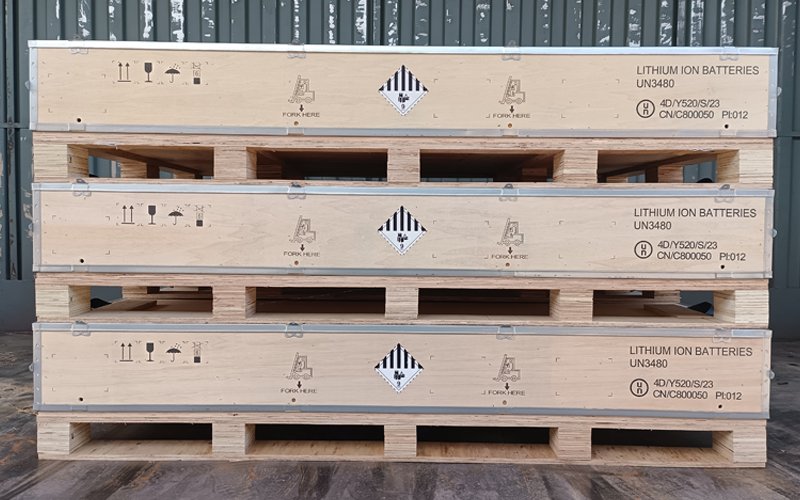
| UN38.3 | Transport safety testing for lithium cells and batteries, which is what carriers ask for before a shipment can move. |
| IEC 62619 | Safety requirements for industrial secondary lithium cells and batteries, including abuse and protection testing. |
| CE | Conformity with the applicable European directives for the product as placed on the market. |
| RoHS | Restriction of hazardous substances in electrical and electronic equipment. |
Certificates are issued against a specific build, so if a tender or a procurement process needs the documentation before an order is raised, ask for the paperwork that matches the configuration you intend to buy.
Fleet and OEM programmes
Courses, resorts, municipalities and rental operators buy differently from a single-cart owner, and the pack can be adjusted for that rather than only relabelled:
- BMS firmware and app branding matched to a fleet management platform.
- Enclosure labelling and fleet identification.
- Charging packages sized for a yard rather than a single cart.
- Spares, service documentation and a parts strategy for a fleet that has to stay in service.
A custom build changes the certification scope, so the paperwork is re-issued against the final configuration. Tell us the fleet size, the duty cycle and the platform, and we will confirm what can be adjusted without disturbing the certification path.
Ordering, MOQ and fleet pricing
Packs ship individually, in fleet kits, or alongside a charging package depending on the project. Minimum order quantities and lead times depend on the configuration, the certification paperwork and the destination, and both are confirmed at quotation with the datasheet for the exact build.
Send your cart make and model, the fleet size and the duty cycle, and our engineers will confirm fitment and return a quote. For a fleet replacement programme, tell us the current lead-acid replacement interval and we will work through the cost comparison against your own numbers.
Frequently asked questions
Is this pack a direct replacement for a 48V lead-acid set?
It is specified as one, and it is sized for that duty. Fitment varies by model year and chassis, so send us the cart make, model and year and we will confirm the battery bay, terminal orientation and retention before you buy.
Do I need a new charger?
Yes, or a charger that can be set to a LiFePO4 profile. A lead-acid profile charges to different voltage targets and will shorten the life of the pack and can leave it undercharged. Confirm the charger before commissioning.
How far will it take my cart?
Range is the pack’s usable energy divided by your cart’s consumption per kilometre, and consumption depends on weight, terrain, tyre pressure and speed. Measure one cart on a normal duty cycle and the arithmetic gives you a figure you can trust for the whole fleet.
Can I run the cart in the rain or wash it down?
The pack is rated IP67, so it is protected against dust and against temporary immersion, and ordinary wash-down and rain use are within that rating. The connectors and the charging inlet still need to be kept dry and closed.
How do I check the state of charge?
Through the Bluetooth BMS and a phone app, which reports state of charge, voltage, current and alarms. That means a driver can check a cart in the yard without opening the battery bay.
Will the cart be lighter with this pack?
Substantially, because a LiFePO4 pack of this class weighs a fraction of a lead-acid set with the same usable energy. The weight saving improves range, but it also changes the cart’s balance, so check whether ballast or a revised hold-down is needed.
What depth of discharge should I run day to day?
The pack is rated for 4000+ cycles at 80% depth of discharge. Shallower daily cycling generally extends service life, so where the duty cycle allows a reserve to be kept, keep it.
Is it suitable for a utility vehicle rather than a golf cart?
Yes. Turf vehicles, maintenance carts and neighbourhood EVs use the same 48V traction architecture, and the pack is specified for that duty. Confirm the motor and controller ratings with us before ordering for a heavier vehicle.
What certifications come with it?
The pack carries UN38.3, IEC 62619, CE and RoHS. Certificates are issued against a specific build, so ask for the documents matching your configuration before raising a purchase order.
What is the warranty?
Coverage runs from 5 to 10 years depending on the configuration and the terms agreed at order, and the warranty terms are confirmed in writing with the quotation.
Do you supply fleets and course operators?
Yes. Much of our volume goes to courses, resorts, municipalities and rental fleets, and fleet pricing, charging packages and OEM terms are all available. Tell us the fleet size and the replacement interval you work to.
How do I get a quote?
Send the cart make and model, the fleet size and the duty cycle through the form below or to sales@cmxbattery.com. Our engineers confirm fitment and return a quote.
Also Known As
This pack is the same hardware sold under several equivalent labels: 51.2V 100Ah
(16-cell series nominal voltage), 48V 100Ah (the 48V system-voltage convention used by most
inverters and chargers) and 5.12 kWh / 5120Wh (the same pack expressed as energy).
In golf-cart trim this pack is commonly labelled 48V 100Ah.
Compatibility & Communication
The Bluetooth BMS reports state of charge, voltage, current and alarms to a phone app, so no external gateway is required. Confirm your cart charger supports a LiFePO4 charge profile before commissioning.
Compatibility is listed for communication-protocol matching only. It is not an endorsement or a
certified-partnership claim. Send us your inverter or charger model and we will verify protocol
matching before shipment.
Fitment Check & Fleet Pricing
Send us your cart make, model and fleet size — our engineers will confirm fitment and return a quote with the downloadable datasheet. Prefer email? sales@cmxbattery.com.
| Voltage |
|---|
You must be logged in to post a review.

Related products


48V 105Ah LiFePO4 Golf Cart Battery | 51.2V Lithium Replacement Battery with Bluetooth BMS


72V 100Ah Lithium Battery for Golf Cart buil-in Grade A LiFePO4 Cells
72V 100Ah Lithium Battery for Golf Cart buil-in Grade A LiFePO4 Cells
72v 100ah lithium ion Golf Cart battery provide longer range, faster charging, and zero maintenance with this high-performance LiFePO4 battery. Built with Grade A EV cells, smart BMS, Bluetooth monitoring, and rugged IP67 casing, it delivers up to 70 miles per charge — perfect for upgraded golf carts and utility vehicles. Factory-direct pricing and 5-year warranty included.Model: EG-72105P
Nominal Voltage: 72V (76.8 V) Nominal Capacity: 100 Ah Stored Energy: 8.06 kWh Dimension (L×W×H) In Inch: 29.1×12.6×9.7 inch Dimension (L×W×H) In Millimeter: 740×320×246 mm Weight lbs. (kg) No Counterweight: 159 lbs. (72 kg) Typical Mileage Per Full charge: 97-113 km(60-70 miles) IP Rating: IP67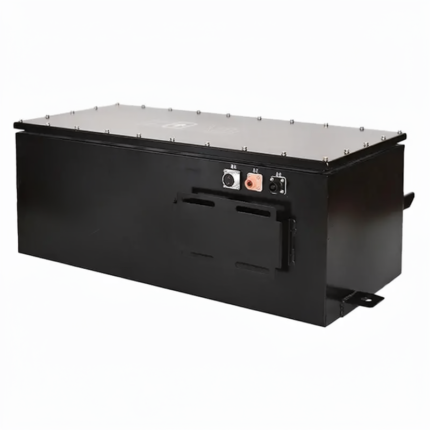
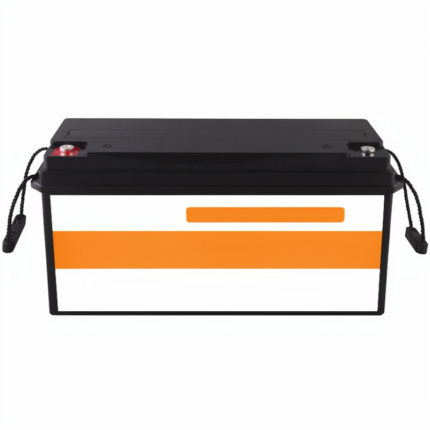
CMX 12.8V 200Ah 2.56kWh LiFePO4 Battery for RV and Golf Cart
The CMX 12.8V 200Ah 2.56kWh LiFePO4 Battery for RV and Golf Cart is a LiFePO4 battery for RV, golf cart, and solar lead-acid replacement. Engineered for long service life, a protected smart BMS, and safe, low-maintenance operation.
- 12.8V · 200Ah · 2.56kWh usable
- 6000+ cycle life · 5-year warranty
- Highest-level Grade A+ LiFePO4 Battery provides 6000+ cycles (a 10-years lifetime), 8 times more than lead-acid batteries.
- Built-in 120A BMS, Support 1C fast charging and discharging, to protect from overcharging & discharging, over current, short circuit, and over temp.
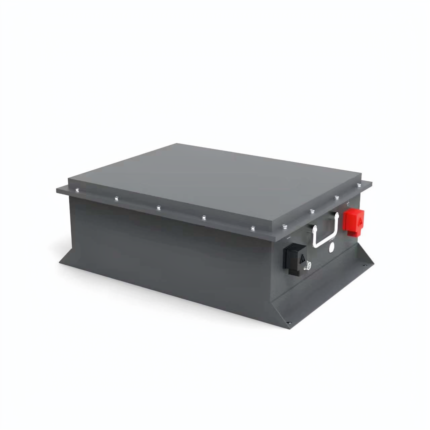
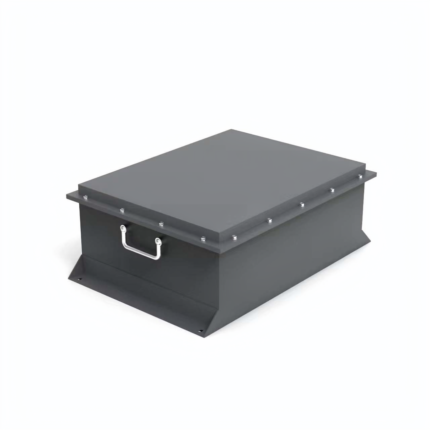
CMX 36V 100Ah LiFePO4 Battery for Golf Cart, RV and Boat
The CMX 36V 100Ah LiFePO4 Battery for Golf Cart, RV and Boat is a LiFePO4 battery for electric vehicles. Engineered for long service life, a protected smart BMS, and safe, low-maintenance operation.
- 36V · 100Ah
- 6000+ cycle life · 5-year warranty
- Long lifespan: 6000+ cycles @80% DOD (about 10 years)
- Built-in smart BMS with over-charge, over-discharge, over-current, short-circuit and over-temperature protection
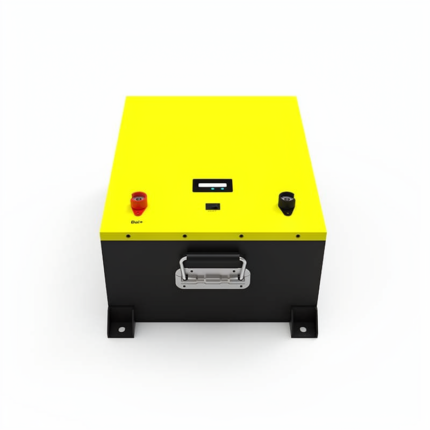
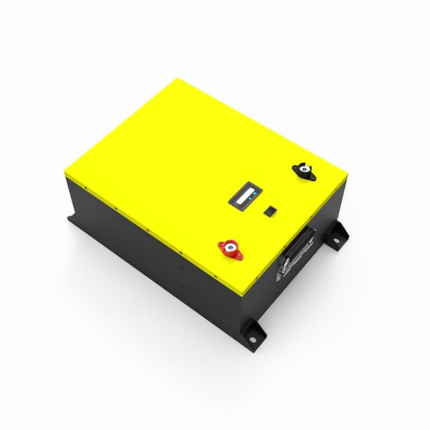
CMX 48V 64Ah LiFePO4 Battery for Golf Cart, RV and Boat
The CMX 48V 64Ah LiFePO4 Battery for Golf Cart, RV and Boat is a LiFePO4 battery for electric vehicles. Engineered for long service life, a protected smart BMS, and safe, low-maintenance operation.
- 48V · 64Ah
- 6000+ cycle life · 5-year warranty
- Long lifespan: 6000+ cycles @80% DOD (about 10 years)
- Built-in smart BMS with over-charge, over-discharge, over-current, short-circuit and over-temperature protection
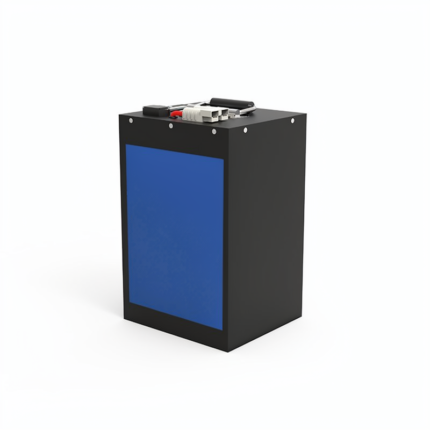
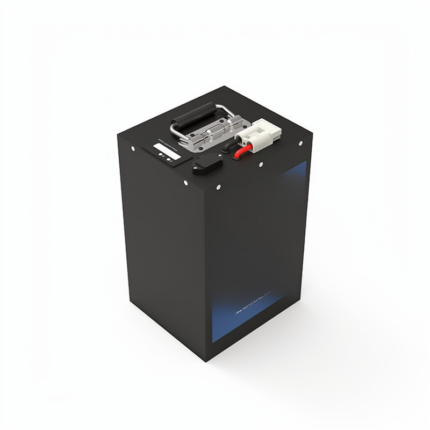
CMX 72V 32Ah LiFePO4 Battery for Golf Cart, RV and Boat
The CMX 72V 32Ah LiFePO4 Battery for Golf Cart, RV and Boat is a LiFePO4 battery for electric vehicles. Engineered for long service life, a protected smart BMS, and safe, low-maintenance operation.
- 72V · 32Ah
- 6000+ cycle life · 5-year warranty
- Long lifespan: 6000+ cycles @80% DOD (about 10 years)
- Built-in smart BMS with over-charge, over-discharge, over-current, short-circuit and over-temperature protection

Reviews
There are no reviews yet.