Off-grid has no grid to fall back on, so the bank is sized from your daily consumption and the worst solar month rather than an average day.
Autonomy
What it covers
Indicative bank (5 kWh/day home)
1 day
Overnight plus one cloudy day
~5 kWh
2 days
A full cloudy weekend
~10 kWh
3 days
Extended bad weather
~15 kWh
Most remote sites keep a generator for the tail beyond three days. We model your local solar resource before sizing.
The three parts that have to balance
PV array
Sized to refill the bank between sunny days, not just to run the loads.
LiFePO4 bank
Deep daily DoD and 2,000–5,000 cycles make it the economical daily-cycling bank.
Off-grid inverter / charger
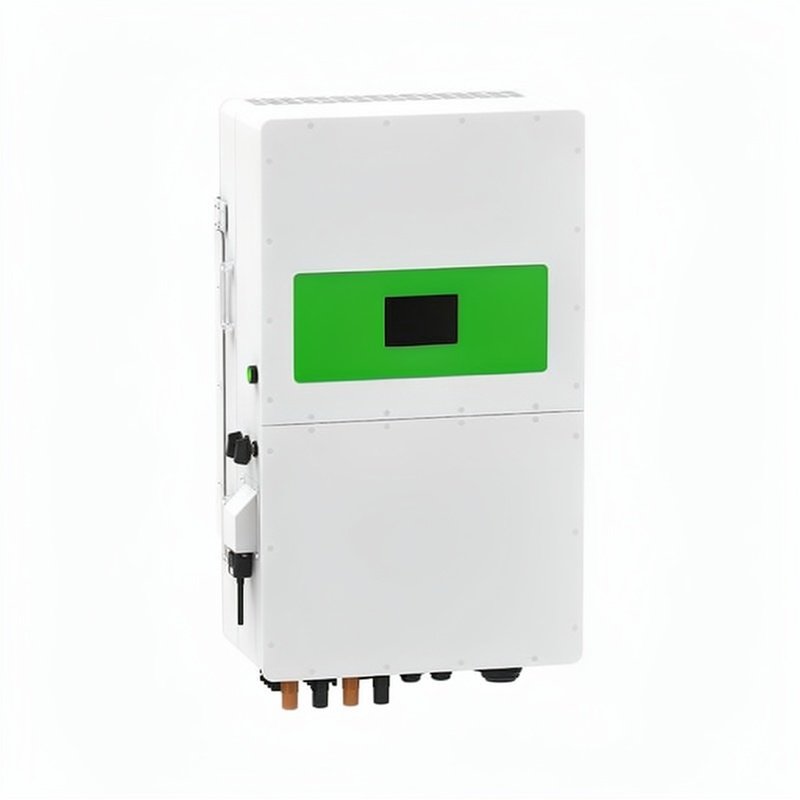
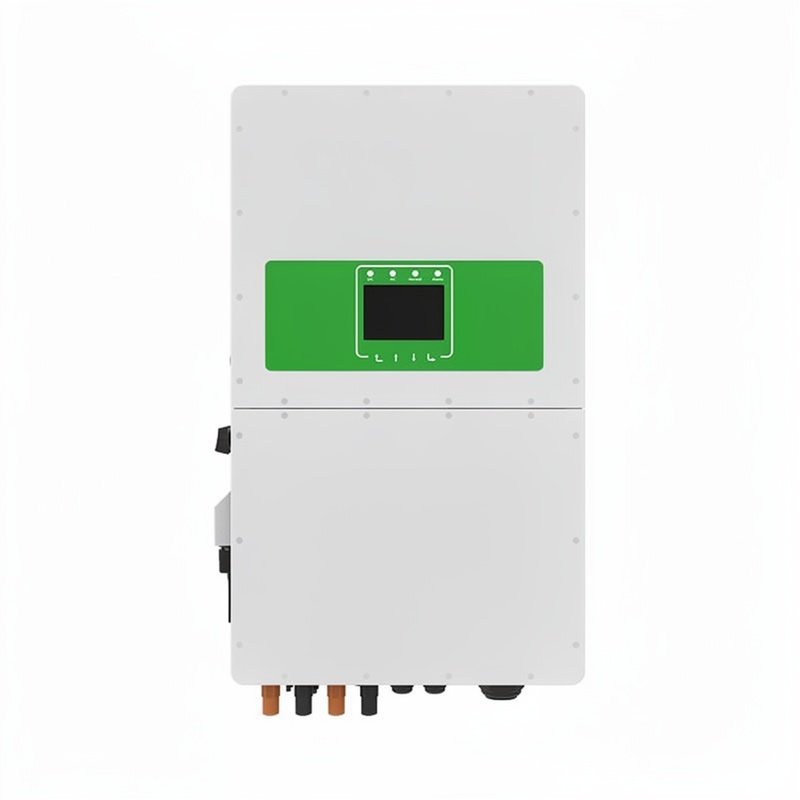
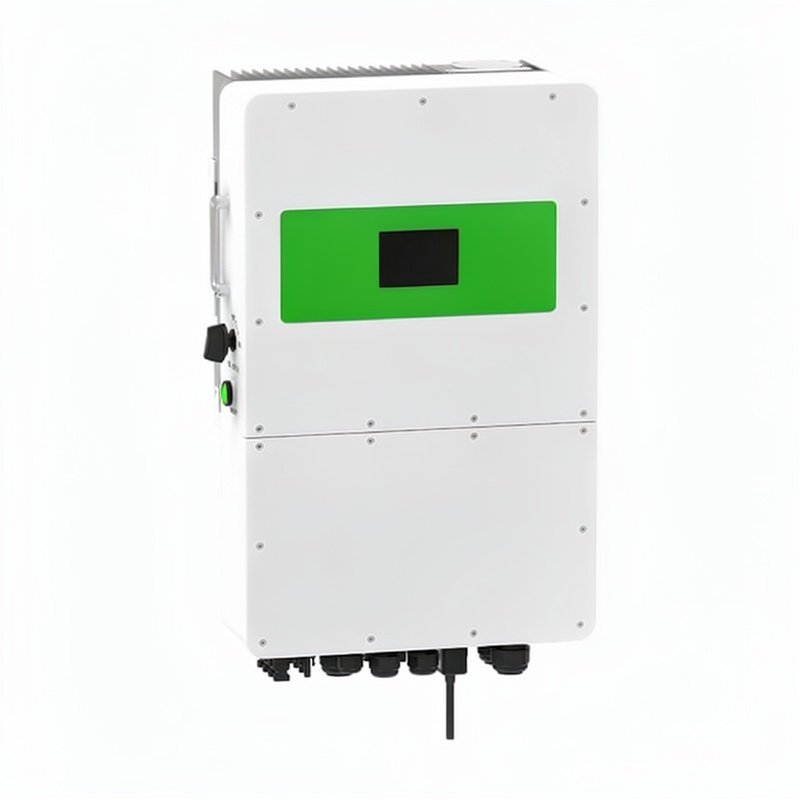
Pure sine output with no grid reference, plus generator input.
Overview
An off-grid system has no grid to fall back on, so the LiFePO4 bank must cover the worst-case stretch between sunny days. EGbatt sizes storage for multi-day autonomy from your load and local solar resource, pairs it with enough PV and an off-grid inverter/charger, and designs for the generator backup most remote sites keep. The discipline is autonomy vs cost: more days of reserve means more batteries; we model it from your real consumption and the weakest solar month, not a guess. LiFePO4’s deep DoD and long cycle life make it the economical choice for a bank that cycles every day.
Size autonomy from the weakest solar month and your real consumption, with generator backup for extremes.
Pair the bank with enough PV to refill it and an off-grid inverter/charger.
Use LiFePO4 for deep daily DoD and long life.
Keep monitoring on state of charge so you manage reserves.
How EGbatt builds it
Solutions are where product lines meet an application — backup, off-grid, peak shaving or telecom. We specify the cell chemistry, capacity, inverter and controls as one system, then document the design so your team can deploy and service it.
Certifications & compliance
UN38.3 — Mandatory lithium battery transport test (altitude, thermal, vibration, shock, external short). Required for any cross-border shipment.
IEC62619 — International safety standard for industrial Li-ion cells and batteries; expected by EU and most APAC buyers.
CE — EU declaration of conformity for the applicable directives.
RoHS — Restriction of hazardous substances in the battery and BMS.
IP65 — Dust-tight and low-pressure water-jet resistant — suitable for outdoor enclosures.
Frequently asked questions
How many days of backup do I need?
From your weakest solar month and load; we model it, often 2–3 days plus generator.
Do I need a generator?
Most remote sites keep one for extended cloudy stretches.
Why LiFePO4 off-grid?
Deep daily DoD and 2,000–5,000 cycles make it the economical daily-cycling bank.
Can it grow later?
Yes — parallel modules or add arrays as needs change.
Related products & resources
Whole-Home Backup
MPPT Controllers
48V LiFePO4
More in this series
Energy Storage Solutions & Applications
Whole Home Battery Backup
Peak Shaving Battery Systems
Telecom & UPS Battery Backup
UPS Lithium Battery Solutions
Talk to an application engineer
Send us your voltage, capacity, dimensions, certification target and annual volume. Our engineering team returns a proposal within three working days. Start your RFQ or review our custom pack capabilities.