
Blog
Is This 48V 690Ah Forklift Battery Worth Replacing Lead-Acid Batteries?

In the fast-paced world of warehousing, manufacturing, and logistics, keeping your material handling equipment running efficiently is crucial. Forklifts, pallet jacks, and stackers are the backbone of operations, but one component often becomes a hidden cost center: the battery.
If you're still relying on traditional lead-acid batteries, you might be wondering if it's time to upgrade to a modern lithium-ion solution like a high-capacity 48V lithium forklift battery.
This blog explores the real-world differences between lead-acid and lithium batteries for forklifts, focusing on whether a powerful 48V option makes financial and operational sense for your business
The Pain Points of Lead-Acid Forklift Batteries
Lead-acid batteries have been the industry standard for decades, and for good reason—they're affordable upfront. However, they come with significant ongoing drawbacks:
- High Maintenance Requirements: Regular watering, cleaning, and equalization charges are necessary. This consumes labor hours and risks acid spills or corrosion.
- Frequent Downtime: Charging takes a long time, and batteries often need full shifts to recharge, requiring swaps for multi-shift operations.
- Shorter Lifespan: They typically last fewer cycles, leading to more frequent replacements.
- Inconsistent Performance: Power output drops as the battery discharges, slowing down equipment toward the end of a shift.
- Safety and Space Concerns: Off-gassing requires ventilated charging areas, and they take up more space.
For busy warehouses running single or multiple shifts, these issues add up quickly in lost productivity and higher total costs.
Why Lithium-Ion Forklift Batteries Are Changing the Game
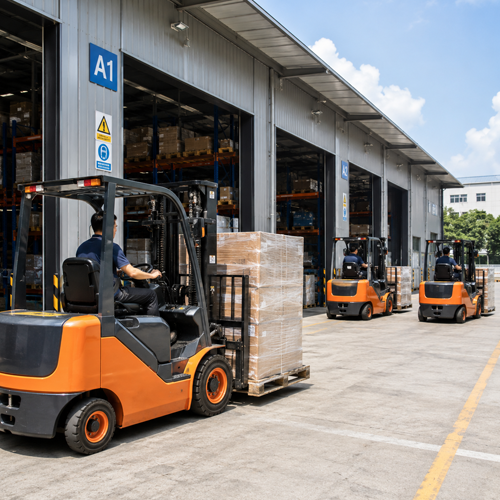
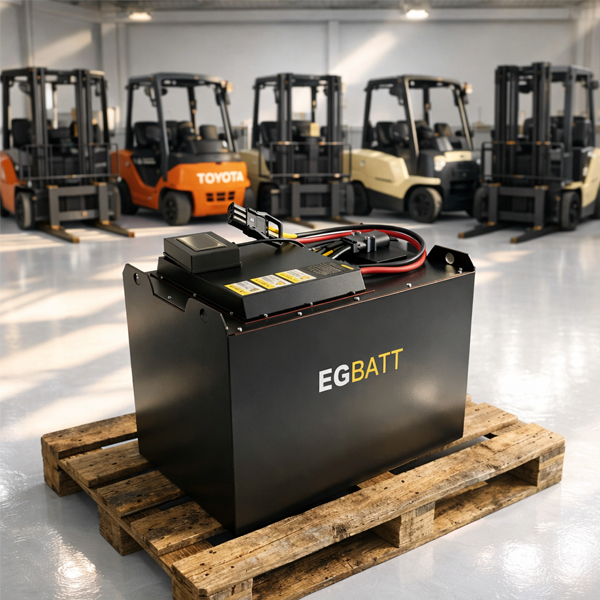
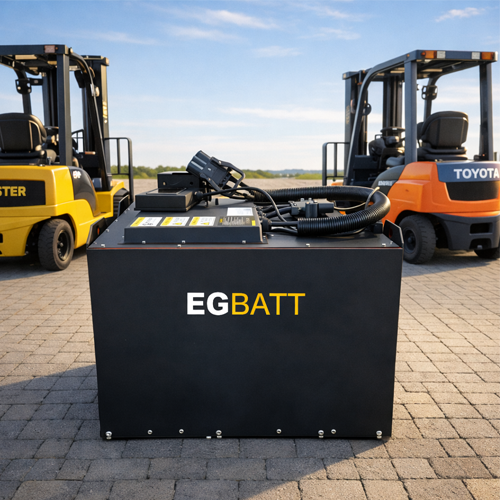
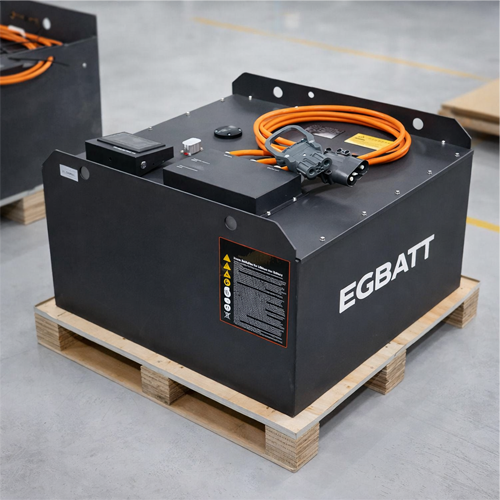
Lithium-ion (specifically LiFePO4) batteries address many of these pain points head-on. A 48V 690AH lithium forklift battery, such as a high-capacity model designed for pallet trucks and stackers, offers a compelling upgrade. Here's why many operators are making the switch:
1. Dramatic Reduction in Maintenance No more watering, no acid spills, and no equalization needed. The built-in Battery Management System (BMS) handles balancing and protection automatically. This frees up your team for more valuable tasks and eliminates the need for dedicated battery rooms.
2. Faster Charging and Opportunity Charging Lithium batteries support rapid charging—often reaching a high state of charge in just 1-2 hours. You can "opportunity charge" during breaks or between tasks without damaging the battery. This means one battery can often handle multiple shifts, reducing or eliminating the need for spares.
3. Longer Lifespan and Better ROI Lithium forklift batteries typically deliver thousands of cycles—often 2-3 times (or more) the life of lead-acid equivalents. While the initial investment is higher, the total cost of ownership (TCO) is usually lower due to reduced maintenance, energy efficiency, and fewer replacements. Many businesses see payback within 1-3 years.
4. Consistent Power and Efficiency Unlike lead-acid, lithium batteries maintain stable voltage throughout discharge, providing reliable performance from start to finish. They also tend to be more energy-efficient, which can lower electricity bills.
5. Enhanced Safety and Versatility Sealed design means no harmful fumes. Many models are IP-rated for dust and water resistance, making them suitable for cold storage or demanding environments. They're also lighter, which can improve vehicle efficiency.
6. Easy Drop-In Compatibility Modern 48V lithium batteries are engineered as replacements for existing lead-acid systems in popular equipment from brands like Toyota, Crown, Hyster, Yale, and more. Minimal modifications are often needed.
Is It Worth It for Your Operation?
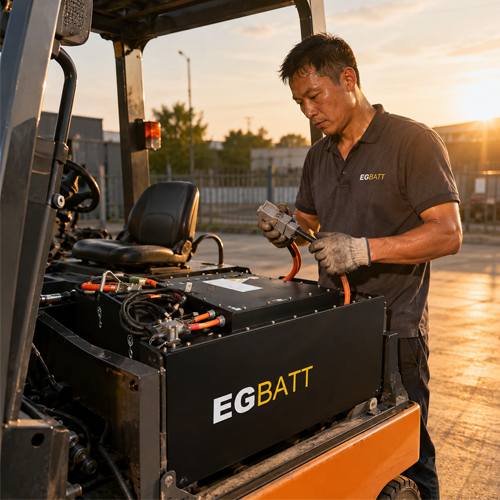
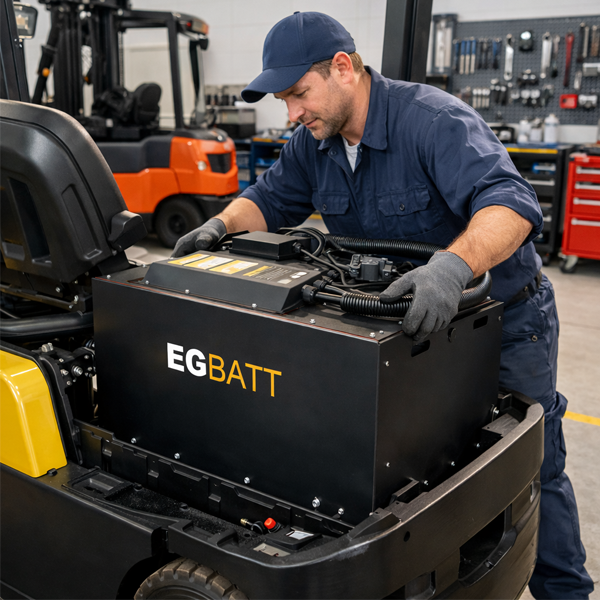
The answer depends on your usage, but for most mid-to-high volume operations, yes—especially if you deal with:
- Multi-shift warehouses or distribution centers
- High-throughput environments where downtime hurts
- Cold storage or refrigerated facilities
- Goals around sustainability and reducing operational costs
If you're running light, single-shift duty with plenty of downtime for charging, lead-acid might still suffice in the short term. But as energy costs rise and labor becomes scarcer, lithium is increasingly the smarter long-term choice.
Real-World Benefits in Action
Operators who switch often report:
- Increased productivity from less battery swapping and faster turnaround.
- Lower labor costs on battery maintenance.
- Improved equipment uptime and operator satisfaction.
- A smaller environmental footprint thanks to longer life and higher efficiency.
Making the Switch: What to Consider
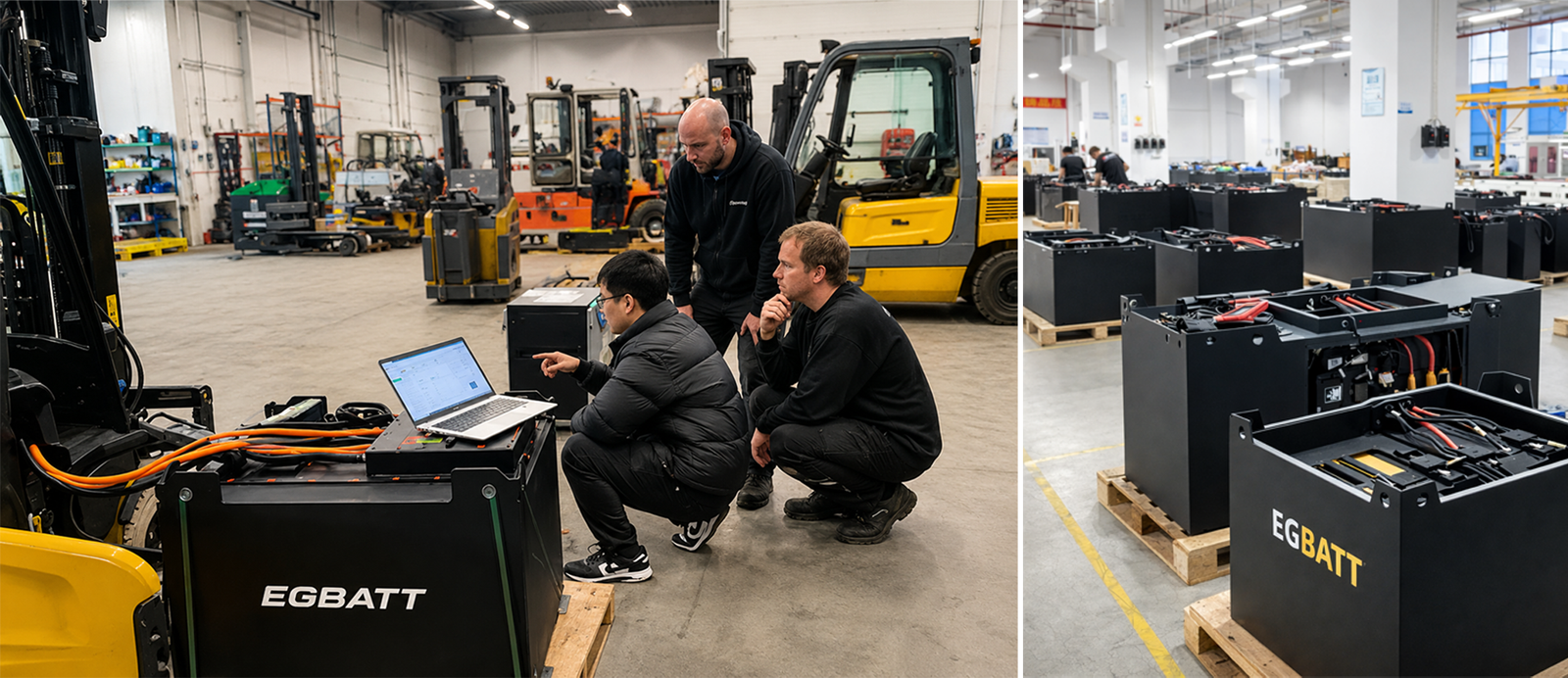
When evaluating a 48V lithium forklift battery:
- Check compatibility with your equipment's compartment size and connectors.
- Ensure you have (or can get) a compatible lithium charger.
- Look for strong BMS protection, certifications, and warranty support.
- Calculate your TCO, factoring in energy savings and reduced maintenance.
A quality high-capacity 48V lithium battery can be a game-changer for pallet jacks, walkie stackers, and similar equipment.
Ready to Upgrade Your Fleet?
Switching to lithium isn't just about replacing a battery—it's about transforming operational efficiency. If you're tired of the constant upkeep and downtime associated with lead-acid, exploring premium lithium options could deliver significant returns.
Discover more about high-performance 48V lithium forklift batteries designed for reliability and longevity. Visit CMX Battery Battery to learn how this solution can fit your needs and start powering your success today.
Related CMX Battery Solutions
Frequently Asked Questions
Is a 48V 690Ah LiFePO4 forklift battery worth replacing lead-acid?
For multi-shift or high-uptime operations, yes – LiFePO4 removes watering, equalization, and battery-swap rooms, and sustains voltage under load. For single-shift light use, lead-acid may still pencil out.
How much runtime does a 48V 690Ah forklift battery give?
Roughly 33 kWh of usable capacity; runtime depends on truck draw, but it typically covers a full shift and often opportunity-charges during breaks instead of swapping packs.
Can I drop-in replace my lead-acid forklift battery with lithium?
Often yes if dimensions, terminal position, and voltage match; but confirm charger compatibility (LiFePO4 needs a lithium profile) and any OEM warranty implications.
What maintenance does a LiFePO4 forklift battery need?
Minimal – no watering, no acid, no equalization. Keep terminals clean and use the recommended lithium charger with CAN/RS485 communication.
How long does a 48V 690Ah LiFePO4 forklift battery last?
Typically thousands of cycles at 80 percent DoD – far beyond lead-acid’s 1,000-1,500 cycles – translating to several years of demanding service.