

Blog
Why Some 48V 560Ah Lithium Forklift Batteries Last 10 Years While Others Fail in 2 Years

"Why do some 48V 560Ah lithium forklift batteries last over five years, while others fail in two?" The answer almost always lies in charging habits and daily maintenance. A lithium iron phosphate (LiFePO4) battery is a completely different animal compared to a traditional lead-acid battery. If you care for it like lead-acid, you’ll shorten its life—or worse, create a safety risk. This guide shows you how to treat your battery as a true long-term asset.
Part 1: Correct Charging Methods – Five Rules That Double Cycle Life
1. Charge Early, Don’t Drain Completely
Lead-acid batteries hate being left empty; lithium batteries hate being deeply empty.
Best time to charge: when 20%–30% SOC remains.
Avoid running the truck until it stops or the gauge goes solid red. An occasional full discharge won't kill it, but making it a habit causes irreversible damage to LiFePO4 cycle life.
Lithium has no memory effect. Shallow cycling is the golden rule for longevity. Plug in during lunch breaks or shift changes—the battery only benefits.
Take a 48V 560AH forklift battery as an example. If you recharge at around 25% SOC instead of 5%, you can easily add hundreds of extra cycles over the battery’s lifespan.
2. Temperature Matters: 0°C Is a Red Line
LiFePO4 batteries hate being charged when cold.
Allowable charging temperature: 0°C to 45°C (always check the spec sheet; most require above 0°C).
Never charge below 0°C. Cold electrolyte causes lithium plating on the anode, which permanently reduces capacity and can create internal shorts. If a truck has just come out of a cold store or winter yard, let the battery warm up indoors for 1–2 hours before connecting the charger.
In high heat (above 40°C), improve ventilation or charge overnight.
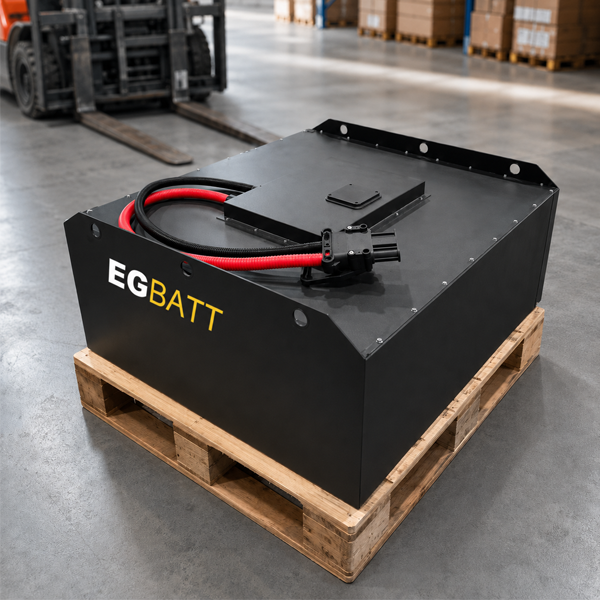
Our 48V 560Ah LiFePO4 Battery - 28.67kWh | IP65 Steel Enclosure comes with temperature sensors that communicate with the charger, automatically preventing charge when the cell temperature is out of range.
3. Charger Matching: A Dedicated Charger Is Non‑Negotiable
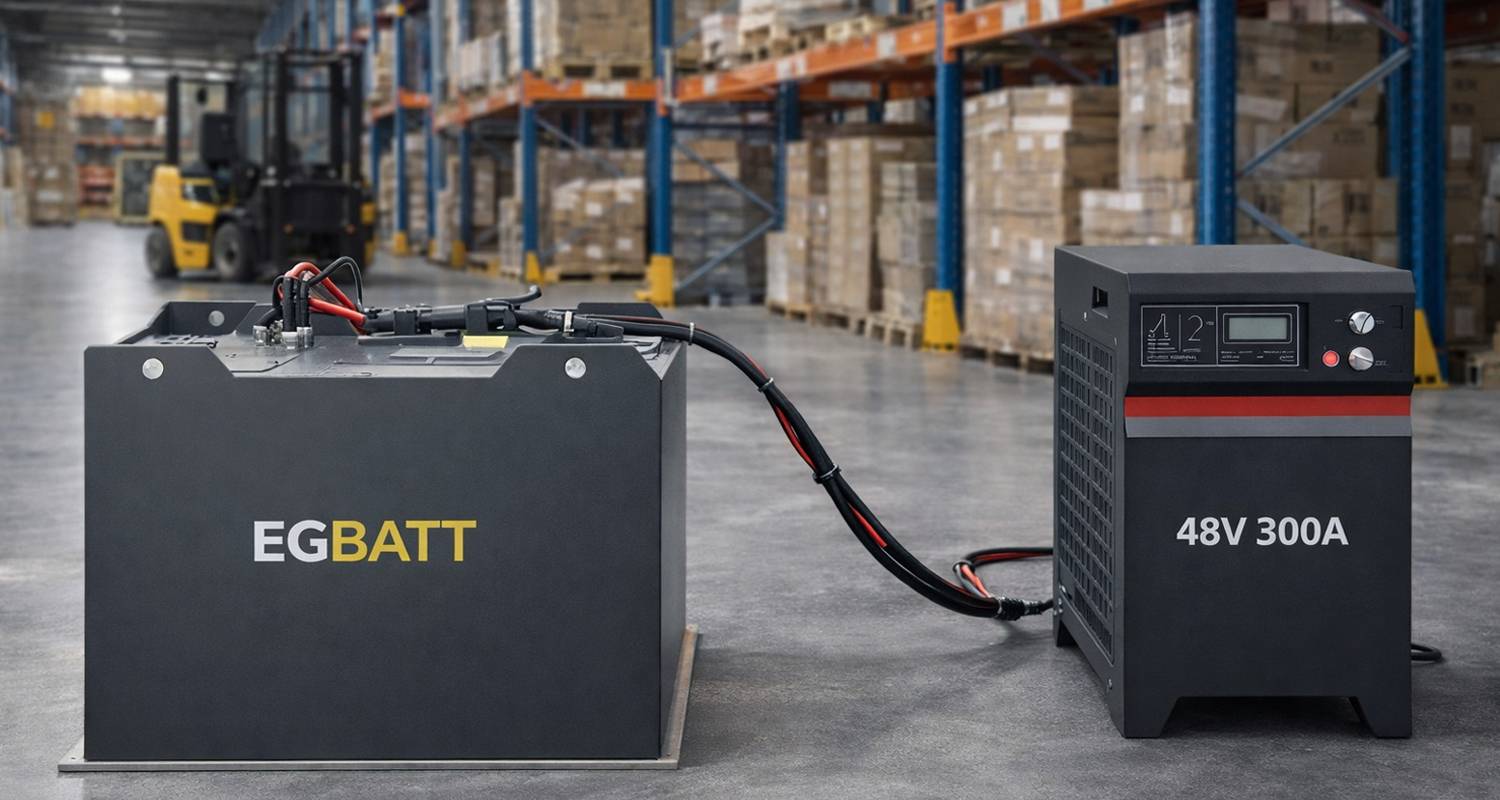
Never use a lead-acid charger on a lithium battery.
A LiFePO4 cell has a nominal voltage of 3.2V and a charge cut-off around 3.65V. Lead-acid voltages are entirely different. The wrong charger will overcharge the cells, trigger the BMS protection, or worse, cause swelling and thermal runaway.
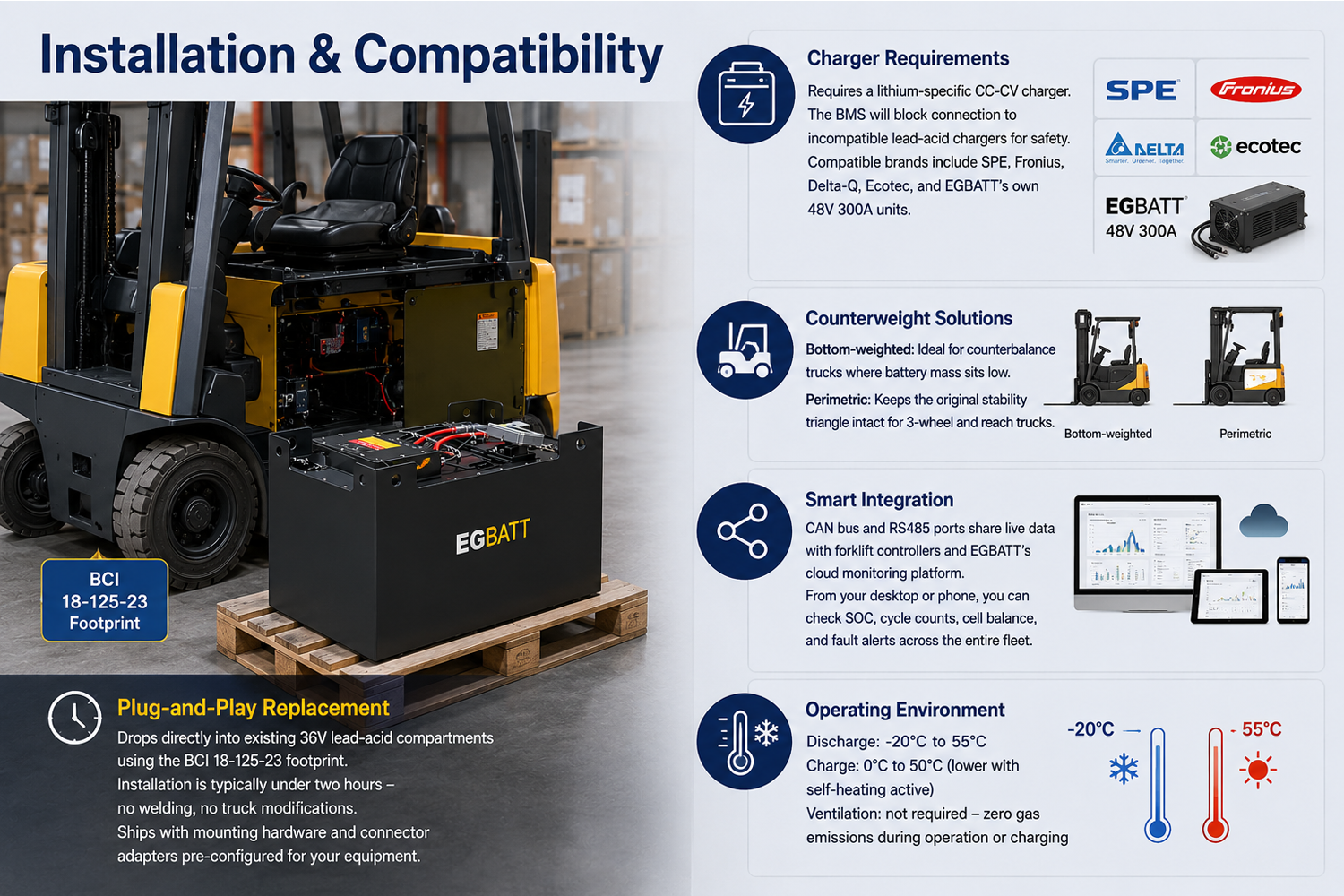
Always use the manufacturer-supplied lithium‑specific charger with correct voltage, current, and communication protocol. Chargers with CAN/RS485 handshaking are strongly preferred.
The 48V/51.2V 560Ah Forklift Battery Pack can be built with 15 or 16 cells in series, giving either a 48V (15S) or 51.2V (16S) nominal voltage. Your charger must match this exact configuration—something we configure precisely for each order.
4. Stop at Full; Ditch Float Charging
Lead-acid requires a float stage; lithium absolutely does not.
When the charger indicates 100% SOC, disconnect the plug. Prolonged float charging keeps cells at a high voltage boundary, accelerating electrode degradation.
Many modern lithium chargers auto-shutoff once current drops to a set threshold. If your unit lacks this feature, manage it manually—do not leave it plugged in overnight as a habit.
5. Balance Charging: Let the Cells Align
Over time, individual cell voltages drift. Balance charging brings them back into alignment and prevents the “weakest cell” effect.
Perform a balance charge every 10–15 full cycles, or as recommended by the manufacturer (some fleets do it weekly).
Most chargers and BMS units perform passive balancing near the end of charge. If not, a technician can trigger a balance cycle via the BMS software. Keeping the pack balanced is the secret to avoiding “it charges quickly but dies quickly.”
For the 48v 560ah lithium forklift Battery - F4856DJ (model F4856DJ), the integrated BMS records cell voltage delta. If the maximum difference exceeds 300mV, it’s time for a manual balance service.
Part 2: LiFePO4 Maintenance Guide – Five Daily Habits That Prevent Hidden Killers
1. Keep It Clean and Dry, Especially the Terminals
Wipe down the battery case weekly with a dry or slightly damp cloth. Remove metal dust, debris, and oil. Conductive dust between terminals can cause leakage currents or even a short circuit.
Check poles and busbar connections regularly. If you see oxidation, looseness, or heat discoloration on a nut, disconnect, clean, and re-torque it to the manufacturer’s spec. Loose connections arc and overheat; overtightened ones crush the terminal.
The 48V 560Ah Durable Lithium Iron Phosphate LiFePO4 Battery for Forklifts has a fully enclosed steel case, but terminal inspection is still a weekly must-do.
2. Store at Half Charge, Not Full
If a forklift sits idle for a long period (holiday break, off-season), storage state-of-charge decides whether it wakes up healthy.
Optimal storage SOC: 50%–60% (around 2–3 bars on the display).
Store in a dry, cool, clean place, ideally between -10°C and 35°C (15–25°C is best).
Recharge every 2–3 months to compensate for self-discharge. Over-discharge during storage is the number one killer of lithium batteries left unattended.
3. Water and Impact: More Than Just Ingress Protection
Avoid submerging the battery or pressure-washing it directly. Although the 48V 560Ah LiFePO4 Battery - 28.67kWh | IP65 Steel Enclosure is rated IP65, high-pressure water can still penetrate connectors and communication ports.
Prevent severe impacts or drops. A deformed case can compress internal cells and create latent defects.
In wash-down areas or rainy seasons, pay extra attention to connector dryness; apply dielectric grease if specified.
4. Heed BMS Warnings – Don’t Keep Resetting
If the display shows a battery alarm (over-temperature, large cell voltage deviation, insulation fault), stop the truck, turn it off, and call support. Do not repeatedly reset and restart.
Log the resting voltage after a full charge and the daily runtime. If you notice a sudden capacity drop (e.g., from 8 hours to 3 hours), either a cell has failed or the pack needs a professional rebalance service.
5. Winter Usage Details
Discharge performance drops in cold weather; a 20% range reduction is normal and recovers when it warms up.
If the truck operates in freezing conditions, use a battery with built-in heating pads. Our New Upgrade 48V 560Ah Electric Forklift Battery For Crown Trucks can be configured with automatic pre-heating, allowing safe charging even in cold environments.
Part 3: Real-World Battery Solutions for Your Fleet
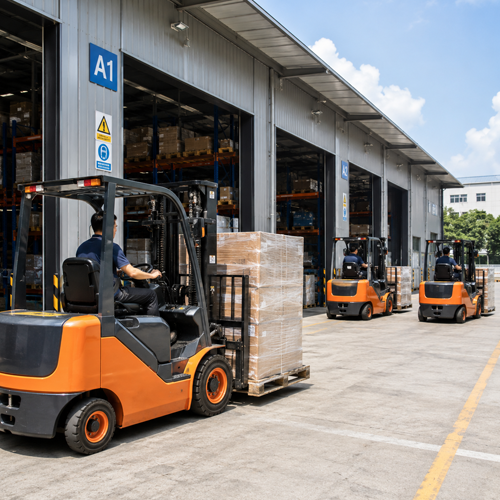
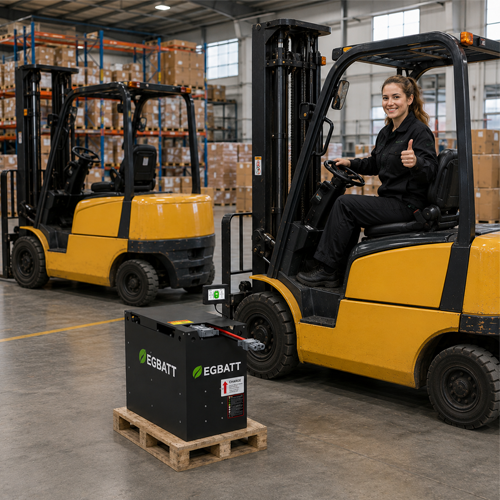
When you are looking for a 48V Lithium Forklift Battery for Sale, choosing a pack that matches your exact truck and application makes all the difference. Consider a few proven configurations:
For narrow-aisle and very narrow-aisle trucks, the 48v 560ah lithium battery forklifts for narrow aisles hyster forklift battery option has become a popular drop-in upgrade. It fits Hyster narrow-aisle models with minimal modification, delivering consistent power throughout the shift without voltage sag.
For Crown equipment, we offer the New Upgrade 48V 560Ah Electric Forklift Battery For Crown Trucks, designed with the correct tray dimensions and communication interface to work seamlessly with Crown’s existing gauges.
If you operate a used lift truck (Class II), a 48V lithium ion forklift battery for Used lift truck Class II can breathe new life into an older machine, eliminating acid maintenance and improving energy efficiency from day one.
For the toughest environments, the 48V 560Ah Durable Lithium Iron Phosphate LiFePO4 Battery for Forklifts with its rugged steel enclosure and automotive-grade cells withstands shock, dust, and dampness far better than standard packs.
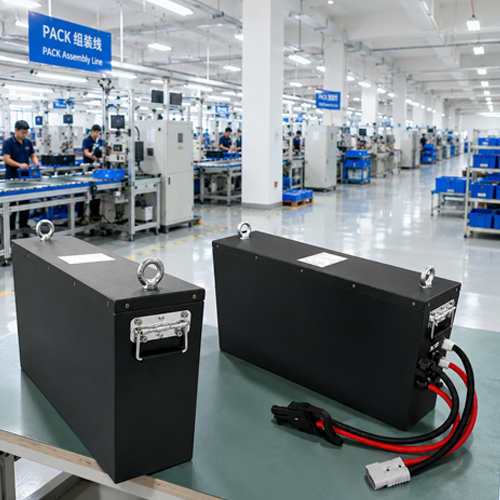
All these variants share the same core: a 48V/51.2V 560Ah Forklift Battery Pack rated at 28.67kWh, housed in a 48V 560Ah LiFePO4 Battery - 28.67kWh | IP65 Steel Enclosure. Whether you need a direct replacement for your existing 48V 560AH forklift battery or a completely new conversion, the fundamental care rules we’ve outlined stay the same.
Part 4: Deadly Charging Myths – Check Yourself
Myth: “Just plug in overnight, like the old lead-acid.”
Lithium doesn’t need an 8‑hour float. Long trickle periods age the cells. Use a timer or a charger with definite shut-off.Myth: “Always go to 100% and run it to empty.”
LiFePO4 is happiest between 30% and 80%. Full cycles on a 48V 560Ah LiFePO4 Battery add unnecessary stress. Shallow charges win.Myth: “It’s fine to leave it charging unattended—nothing will happen.”
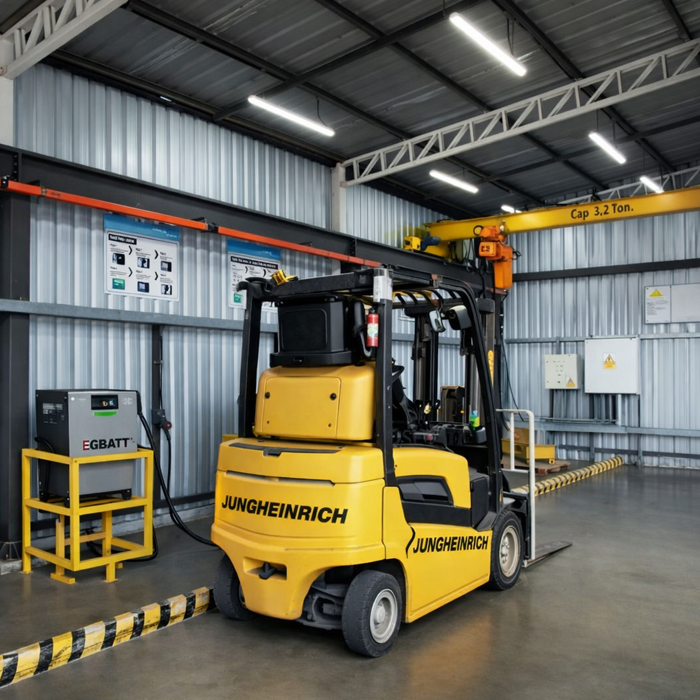
Charge in a ventilated area away from flammables, with a smoke detector and accessible disconnect. The battery itself is extremely safe, but electrical equipment always demands respect.Myth: “Balancing is optional; if it still runs, it’s fine.”
An unbalanced 48V 560Ah Durable Lithium Iron Phosphate LiFePO4 Battery for Forklifts will see one weak cell drag the whole pack down prematurely. A balance service is the cheapest “life extension” you can buy.
Summary
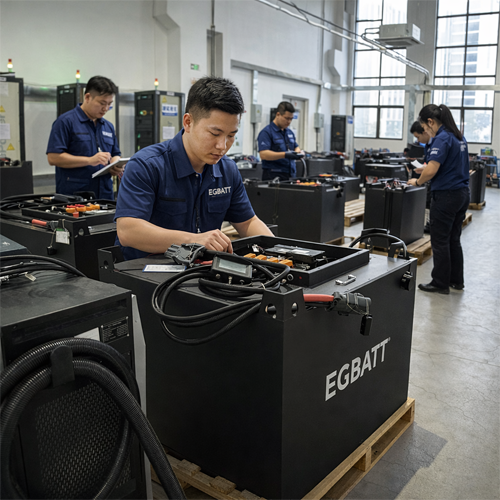
Getting eight to ten years from a fork truck lithium battery isn’t luck—it’s built on “shallow cycles, no low-temperature charging, regular balancing, and half-charge storage.” If your existing 48V 560AH forklift battery seems to charge fast and discharge even faster, don’t replace it immediately. Start by pulling the BMS data and performing a full balance cycle. Often, a pack that looked dead is just out of sync, and a few simple maintenance steps bring it right back.
Related CMX Battery Solutions
Frequently Asked Questions
Why do some 48V 560Ah lithium forklift batteries last 10 years while others fail in 2?
Longevity hinges on cell grade (Grade-A vs recycled), BMS quality, thermal management, and charging discipline. Cheap packs with poor balancing and no thermal cutoff degrade fast.
What charging mistakes kill forklift lithium batteries?
Using a lead-acid charger, chronic over-charge, operating in extreme heat without cooling, and deep discharges below the BMS cut-off all accelerate failure.
Does a quality BMS really extend battery life?
Yes. A rated BMS with active balancing, temperature cut-offs, and communication prevents cell divergence and thermal events – the main reason premium packs outlast budget ones.
How should I maintain a 48V 560Ah LiFePO4 battery for maximum life?
Use a lithium-certified charger, keep it in a moderate-temperature environment, avoid chronic 100 percent DoD, and perform periodic state-of-charge calibration.
How can I tell a 10-year-grade pack from a 2-year-grade pack?
Check for Grade-A cell documentation, a branded BMS with communication, real warranty terms, and the supplier’s track record – not just the headline Ah and price.