
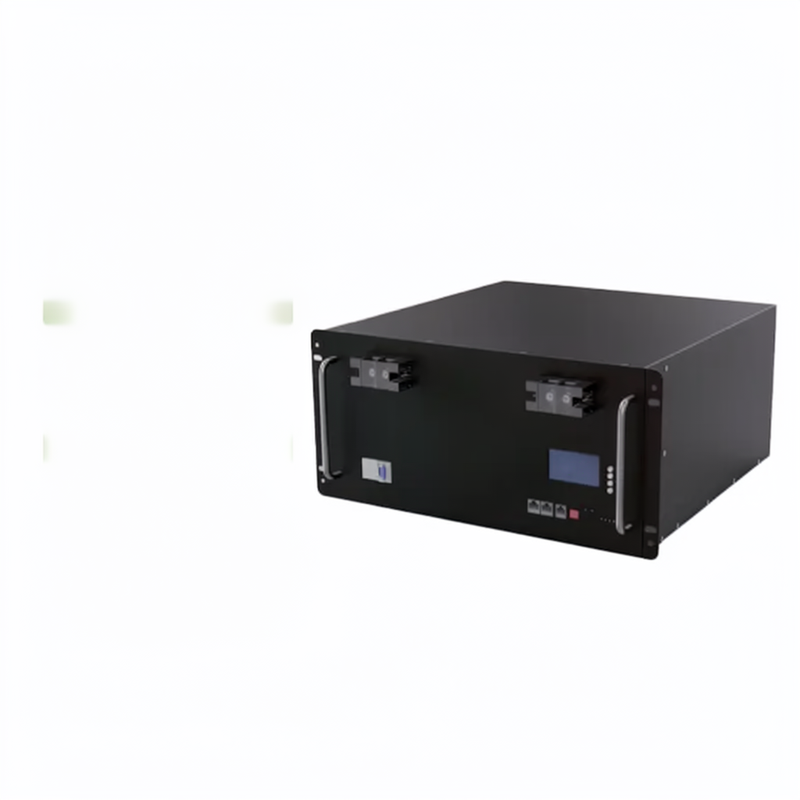
48V 100Ah Server Rack LiFePO4 Battery | 5.12kWh 3U Module for Home Solar & UPS
From $1,950.00Login for exact price
3U rack-mount 48V (51.2V) 100Ah LiFePO4 module, 5.12 kWh, with an RS485/CAN smart BMS and 6000+ cycles at 80% DoD. Factory-direct from CMX Battery, with wholesale and OEM/ODM terms.
TL;DR — The CMX 48V 100Ah server-rack module is a 3U-high, IP20 LiFePO4 pack rated 51.2 V and 5.12 kWh, with an RS485/CAN smart BMS and a cycle life of 6000+ cycles at 80% depth of discharge. It is built for indoor solar cabinets, UPS strings and modular rack banks that grow in 5.12 kWh steps, and it is sold factory-direct with OEM/ODM options.
3U Server Rack Module: Compact Rack Depth
A 3U-high rack module — the compact end of the rack range. Choose 3U when rack height is limited and you would rather add modules horizontally than move to a taller enclosure. It is rated IP20, so it belongs in an indoor cabinet or plant room rather than outdoors, and the Smart BMS reports over RS485/CAN.
Where This Format Fits
- Residential solar and UPS cabinets with limited rack height.
- Indoor plant rooms and equipment closets.
- UPS backup strings built from 5.12 kWh modules.
- Installations that scale by adding 3U modules.
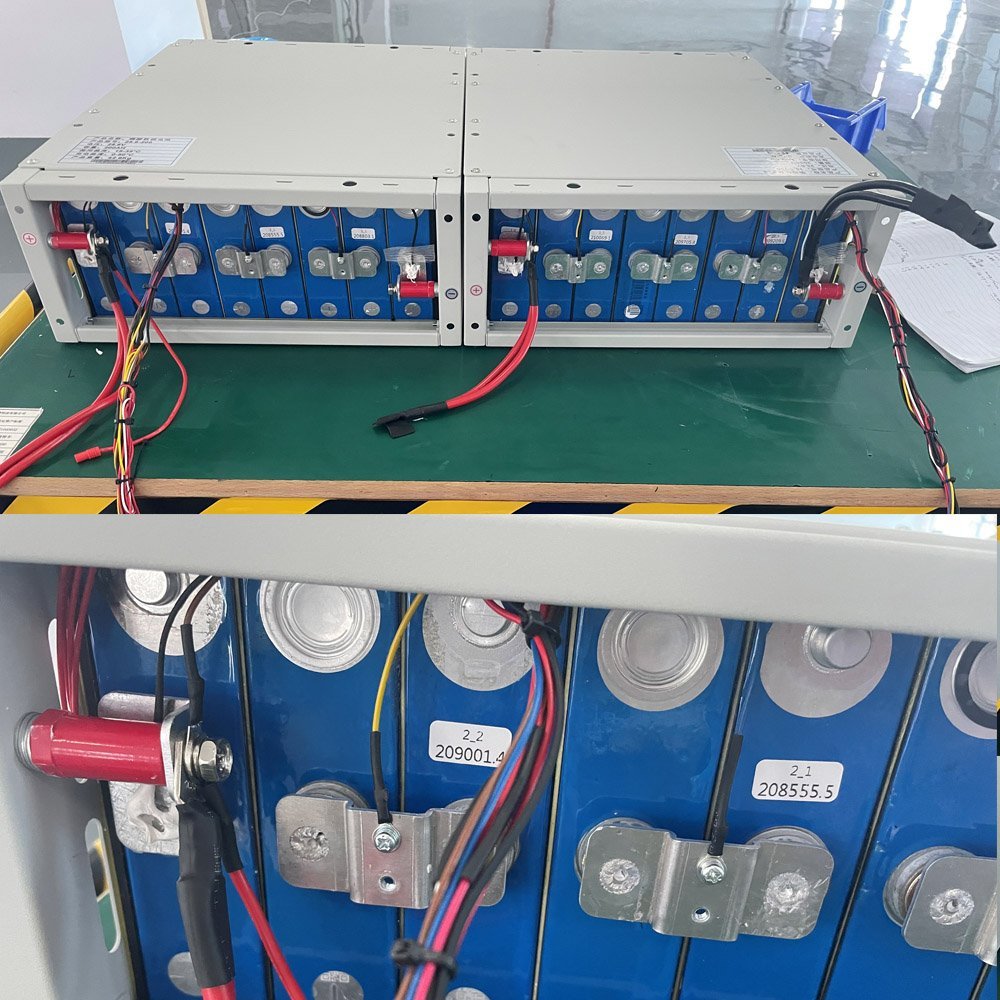
The 48V 100Ah Server Rack LiFePO4 Battery | 5.12kWh 3U Module for Home Solar & UPS is engineered for residential solar & off-grid homeowners. Built with Grade A LiFePO4 cells and a smart BMS (Smart BMS, RS485/CAN), it delivers 5.12kWh of usable energy with more than 6000 cycles at 80% depth of discharge — a maintenance-free, factory-direct alternative to lead-acid.
48V 100Ah Server Rack LiFePO4 Battery | 5.12kWh 3U Module for Home Solar & UPS Specifications
| Nominal Voltage | 51.2V |
| Capacity | 100Ah |
| Energy | 5.12kWh |
| Form Factor | 3U server rack module |
| Cycle Life | 6000+ @ 80% DoD |
| BMS | Smart BMS, RS485/CAN |
| Protection Level | IP20 |
| Certifications | CE, UN38.3, IEC 62619, RoHS |
48V 100Ah Server Rack LiFePO4 Battery | 5.12kWh 3U Module for Home Solar & UPS Applications
- Home solar self-consumption & backup
- 48V UPS and data-center backup
- Server-room and network cabinet power
- Modular rack battery banks up to 60kWh
Why Choose CMX Battery — Your LiFePO4 Solar Home Battery Manufacturer & OEM/ODM Partner
CMX Battery is a LiFePO4 battery manufacturer and OEM/ODM partner with 9+ years of experience serving residential solar & off-grid homeowners worldwide. We deliver factory-direct pricing, wholesale and bulk ordering, and flexible OEM/ODM customization (voltage, capacity, BMS, communication, and enclosure) with competitive MOQs and reliable global shipping.
Every solar home battery is built with Grade A LiFePO4 cells and certified to CE, UN38.3, IEC 62619, RoHS, and UL standards, backed by a 5–10 year warranty. Need volume pricing or a custom pack? Request a quote and our engineering team will respond within 24 hours.
Request a Quote
Get factory-direct pricing for the 48V 100Ah Server Rack LiFePO4 Battery | 5.12kWh 3U Module for Home Solar & UPS. Contact CMX Battery sales for wholesale, OEM/ODM, and bulk order quotes.
Related rack formats in the same family include the 48V 200Ah 4U rack module for taller cabinets that need roughly double the energy per unit, while lower-voltage strings can use the sibling 24V modules listed below.
Related models in this series
Other rack-mount and stacked modules in this series:
Related reading
Further reading:
Measured on our bench: this class delivers above its label
Packs of this class are capacity-checked on our own production test bench under the plant standard procedure: charged to the constant-voltage limit, rested, then discharged at a constant current toward a 2.50 V per cell cutoff. A 51.2 V 100 Ah pack measured on this bench delivered 117.7 Ah, or 117.7% of the 100 Ah nameplate. The over-delivery is by design, not a fault: the cells installed in this build are graded above the 100 Ah rating (over-capacity cells), so real capacity runs above the label rather than below it. On all five of our platform test runs the pack’s own protection ended the discharge first, at 2.59 to 2.74 V per cell, so the bench cutoff was never reached. The amp-hours shown are the amp-hours above the protection threshold.
See our capacity verification guide for the full method, the cross-pack table, and how to read a capacity rating before you commit.
What 5.12 kWh actually runs
Nameplate energy and usable energy are not the same number. At the 80% depth of discharge this module is rated for, a single pack releases about 4.1 kWh to the load before the BMS closes the discharge path. The table below converts that figure into runtime for loads you will recognise from a home or a small equipment room. Figures are steady-state and assume the inverter and wiring losses sit in the single digits.
| Load | Typical continuous draw | Runtime from one 5.12 kWh module (80% DoD) |
|---|---|---|
| LED lighting circuit | 100 W | about 41 hours |
| Refrigerator (average duty) | 150 W | about 27 hours |
| Router, ONT and network switches | 30 W | about 136 hours |
| Home office desk (laptop and monitor) | 120 W | about 34 hours |
| Water pump | 800 W | about 5 hours |
| Small room air conditioner | 900 W | about 4.5 hours |
For backup duty the arithmetic runs the other way: a rack holding four modules carries roughly 16.4 kWh of usable energy, which is what a 2 kW critical load draws in a little over eight hours.
How many 3U modules fit in a standard cabinet
A 3U module occupies 133 mm of vertical rack space, since one rack unit is 44.45 mm. Because the module is only three units tall, a standard 19-inch cabinet fills with capacity far faster than one built around taller enclosures. Leave the extremes of the stack free for cable management and airflow, and the practical numbers look like this:
| Cabinet height | Modules fitted | Bank energy | Notes |
|---|---|---|---|
| 12U wall cabinet | 4 | 20.5 kWh | Allow part of the stack for busbars and ventilation |
| 22U floor cabinet | 7 | 35.8 kWh | Common in residential plant rooms |
| 42U floor cabinet | 12 | 61.4 kWh | Reserve roughly 6U for cable trays and spacing |
That lines up with the modular rack banks up to 60 kWh this page refers to elsewhere: twelve 5.12 kWh modules in a 42U cabinet land at 61.4 kWh. The bank scales in 5.12 kWh steps, so you can install what the load needs today and add modules later without replacing the cabinet, the busbars or the inverter.
3U or 4U: choosing the rack height
| Consideration | 3U module | 4U module |
|---|---|---|
| Height | 133 mm | 178 mm |
| Best for | Shallow wall cabinets and dense columns where height is the binding constraint | Standard floor cabinets with room to spare per shelf |
| Energy per unit | 5.12 kWh at 48V 100Ah | 5.12 kWh at 48V 100Ah, or 10.2 kWh at 48V 200Ah |
| Trade-off | More modules per cabinet height, and more busbar connections to land | Fewer connections, and fewer modules per cabinet |
Pick the 3U format when the cabinet is shallow or wall-mounted and you would rather add modules horizontally than move up a frame size. Pick a taller module when connection count, not height, is the constraint.
Sizing a 48V UPS string from modules
For a UPS or standby string the question is rarely total capacity — it is how long the load has to survive. Working from about 4.1 kWh usable per module at 80% depth of discharge:
| Critical load | Modules | Usable energy | Approximate bridge |
|---|---|---|---|
| 1 kW | 1 | 4.1 kWh | about 4 hours |
| 2 kW | 2 | 8.2 kWh | about 4 hours |
| 5 kW | 3 | 12.3 kWh | about 2.5 hours |
| 10 kW | 6 | 24.6 kWh | about 2.5 hours |
A bridge, not full autonomy, is usually the goal: the string carries the load until a generator starts or the grid returns. Size the bank to the bridge you actually need and let the modular format handle the rest, because an extra module is a 3U addition rather than a new cabinet.
What 6000+ cycles at 80% DoD means in years
Cycle life is quoted at a defined depth of discharge, and 80% is the figure this module is rated at. Run the pack through one full cycle a day and 6000 cycles is roughly sixteen years of service. Cycle it twice a week and the same rating stretches across several decades. Both spans outlast the 5 to 10 year warranty that covers the product, which is why the warranty, and not the cycle count, is normally the binding constraint in a residential or light-commercial installation.
Deeper cycling wears a cell faster than shallow cycling, so a bank that routinely discharges to 80% will reach the end of its service life sooner than one that stops at 50%. Where the load profile allows it, capping the daily discharge and keeping a reserve has a measurable effect on how long the bank lasts.
LiFePO4 against lead-acid in rack and UPS duty
The alternative most rack installations are still measured against is flooded or sealed lead-acid. The chemistry difference shows up in four places that matter inside a cabinet:
| Property | Lead-acid (AGM or gel) | LiFePO4 module |
|---|---|---|
| Usable depth of discharge | About 50% before service life falls sharply | 80% at the rated cycle life |
| Rated cycles | Typically 300 to 500 | 6000+ at 80% depth of discharge |
| Maintenance | Ventilation, equalisation and terminal care | Sealed, with no watering and no equalisation |
| Charge efficiency | Lower, with more energy lost as heat | High, with less heat generated during charging |
The number that decides most projects is cost per delivered kilowatt-hour across the life of the bank, not the purchase price of one unit. A lead-acid string that can only be cycled to 50% needs roughly twice the nameplate capacity to do the work of one comparable lithium module, and it will be replaced several times over the period in which the lithium bank stays in service.
Charging and BMS communication in practice
The module follows the standard sixteen-cell series LiFePO4 charge profile: a constant-current phase followed by a constant-voltage phase in the region of 57.6 V to 58.4 V, then a float or standby voltage below that. Confirm the final values against the datasheet supplied with your order before configuring a charger, because published profiles differ slightly between BMS revisions and the pack’s own limits always take precedence over a generic figure.
The smart BMS carries both RS485 and CAN, which means two things on site:
- A CAN connection to a hybrid or off-grid inverter lets the inverter read state of charge, voltage and current directly instead of inferring them from a voltage curve, which is what keeps the displayed percentage honest under load.
- An RS485 connection feeds a monitoring gateway, an energy management system, or a laptop running the commissioning tool, which is how most setup and firmware work is done.
Set the protocol on the BMS before energising the string, and match the inverter’s battery profile to the pack rather than leaving it on a lead-acid profile. A mismatched profile is the single most common reason a new bank reports the wrong state of charge on its first day in service.
Installation and commissioning checklist
- Confirm the cabinet is rated for the loaded weight and is anchored; a tall cabinet full of modules is heavy and top-heavy cabinets tip.
- Mount modules from the bottom up so the rack stays stable while you build it.
- Keep busbar runs short and equal in length across parallel modules so current shares evenly.
- Torque every terminal to the figure in the datasheet, then re-check after the first discharge cycle.
- Leave the top and bottom units of the stack clear for airflow; IP20 modules rely on the cabinet for ventilation.
- Set the BMS protocol and address before energising, because addresses are easier to change with the string cold.
- Record the first full charge and discharge and keep the numbers as the baseline for the bank.
Every cabinet is different and the module is rated IP20, so airflow and spacing are the installer’s responsibility rather than the pack’s. Where a cabinet is shared with other heat-producing equipment, size the clearance for the worst case rather than the average.
Safety, transport and certification
Four certification marks appear on this module and each answers a different question:
| Mark | What it covers |
|---|---|
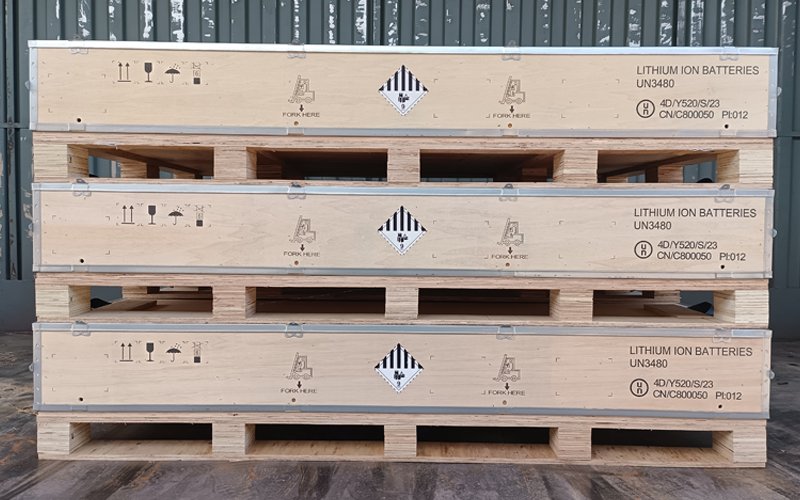
| UN38.3 | Transport safety testing for lithium cells and batteries, which is what air and sea carriers ask for before a shipment can move. |
| IEC 62619 | Safety requirements for industrial secondary lithium cells and batteries, including the abuse and protection tests that apply to stationary storage. |
| CE | Conformity with the applicable European directives for the product as placed on the EU market. |
| RoHS | Restriction of hazardous substances in electrical and electronic equipment. |
Certificates are issued against a specific build and BMS revision, so if a project needs the paperwork before a purchase order is raised, ask for the documents that match the configuration you intend to buy rather than a generic set.
OEM and private-label options
Because the module is built in our own plant, the specification can be adjusted rather than only relabelled. Typical changes for OEM and private-label orders include:
- BMS protocol maps matched to a specific inverter or EMS vendor.
- Enclosure branding, front-panel silkscreen and label artwork.
- Communication options: CAN, RS485, or both, with or without a Bluetooth module.
- Cabinet-level packaging, busbar kits and rack accessories supplied with the units.
A custom build changes the certification scope, so the paperwork is re-issued against the final configuration. Tell us which inverter you are pairing with and the volume you expect, and we will confirm what can be adjusted without disturbing the certification path.
Ordering, MOQ and lead time
Units ship as individual 3U modules, in rack-ready bundles, or as a complete populated cabinet, depending on the project. Minimum order quantities and lead times depend on the configuration, the certification paperwork you need and the destination, and both are confirmed at quotation along with the datasheet for the exact build.
Send your cabinet height, inverter model and target bank size and our engineers will return a layout, a protocol check and a quote. For projects already in procurement, tell us the delivery window and we will confirm what is achievable before you commit.
Frequently asked questions
Is the 3U module a drop-in replacement for a lead-acid bank?
Not in the mechanical sense, because a 3U rack module goes into a 19-inch cabinet rather than into the footprint of a set of lead-acid blocks. Electrically it is a 48V-class LiFePO4 battery, so an inverter or charger expecting a 48V nominal string will see a compatible voltage, but the charger profile has to be changed to LiFePO4.
Can I mix 3U and 4U modules in one bank?
Rack height is a mechanical question and the two formats belong to the same electrical family, but parallel units should match in age, capacity and BMS revision. Mixing formats in one string is a question for our engineering team rather than a decision to make on site.
Does the pack need ventilation in the cabinet?
Yes. The module is rated IP20, which means it is protected against solid objects but not against dust or water ingress, and it relies on the cabinet for airflow. Leave the top and bottom of the stack clear and avoid sharing a sealed enclosure with heat-producing equipment.
What depth of discharge should I run day to day?
The module is rated for 6000+ cycles at 80% depth of discharge. Shallower daily cycling generally extends service life, so where the load profile allows a reserve to be kept, keep it.
How does the inverter know the state of charge?
Over CAN or RS485, depending on the inverter. When the protocol is matched, the inverter reads state of charge, voltage and current from the BMS instead of estimating them from a voltage curve, which is far more accurate under load.
Can the bank grow later?
Yes, and that is the point of the format. Capacity is added in 5.12 kWh steps by fitting another 3U module, provided the cabinet, busbars and inverter can take the additional current.
Is the module suitable for outdoor use?
No. IP20 is an indoor rating. Outdoor and marine installations need an enclosure rated for the environment, and our IP65 and IP67 packs are built for those applications.
What certifications come with it?
The module carries UN38.3, IEC 62619, CE and RoHS. Certificates are issued against a specific build, so ask for the documents that match your configuration before raising a purchase order.
What is the warranty?
Coverage runs from 5 to 10 years depending on the configuration and the terms agreed at order, and the warranty terms are confirmed in writing with the quotation.
Do you sell to installers and system integrators as well as end users?
Yes. A large share of our volume goes to installers, integrators and distributors who buy in rack quantities, and volume pricing, OEM/ODM and private-label terms are all available. Tell us about the project and the annual volume.
How is the pack shipped?
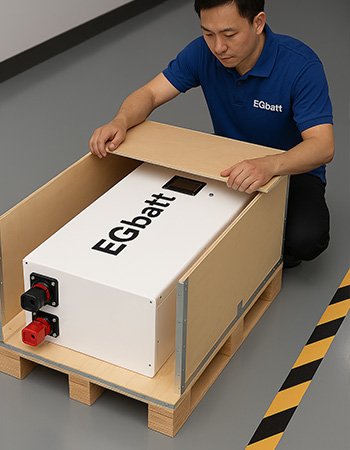
Lithium batteries move under UN38.3 test reports and the transport documentation the carrier requires. The shipping method and the paperwork are confirmed with the order for the destination.
How do I get a quote?
Send the cabinet height, inverter model and target bank size through the form below or to sales@cmxbattery.com. Our engineers confirm the protocol match and return a layout and a quote.
Also Known As
This pack is the same hardware sold under several equivalent labels: 51.2V 100Ah
(16-cell series nominal voltage), 48V 100Ah (the 48V system-voltage convention used by most
inverters and chargers) and 5.12 kWh / 5120Wh (the same pack expressed as energy).
This page covers the 3U rack format of the module.
Compatibility & Communication
The Smart BMS communicates over RS485 and CAN and integrates with most 48V-class hybrid and off-grid inverters, as well as UPS strings that accept a 48V LiFePO4 bank.
| Inverter brand | Typical application | Protocol | Notes |
|---|---|---|---|
| Deye | Hybrid / off-grid | CAN / RS485 | Select the LiFePO4 battery profile |
| Growatt | Hybrid | CAN / RS485 | — |
| Victron Energy | MultiPlus / Quattro | CAN | Requires VE.Bus BMS configuration |
| GoodWe | Hybrid | CAN / RS485 | — |
| Solis | Hybrid | CAN / RS485 | — |
| Luxpower | Hybrid | CAN / RS485 | — |
| SMA | Off-grid / hybrid | CAN / RS485 | — |
| Studer | Off-grid | RS485 | — |
Compatibility is listed for communication-protocol matching only. It is not an endorsement or a
certified-partnership claim. Send us your inverter or charger model and we will verify protocol
matching before shipment.
Rack Layout & Volume Pricing
Send us your cabinet depth, inverter model and annual volume — our engineers will confirm protocol matching and return a quote with the downloadable datasheet. Prefer email? sales@cmxbattery.com.
| Voltage |
|---|
You must be logged in to post a review.
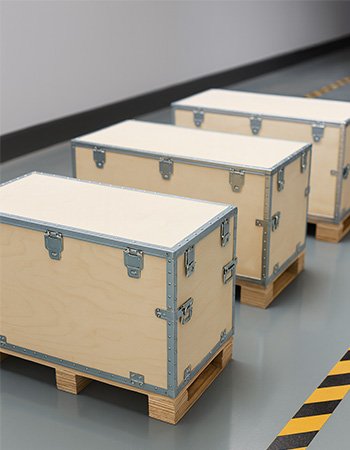
Inverter brand list — 48V / 51.2V hybrid and off-grid inverters
Our low-voltage packs communicate over CAN and RS485, which is how these hybrid and off-grid inverters read pack voltage, current and state of charge. Tell us your inverter model and firmware version and we will confirm the pairing before you order.
 Luxpower
 Sol-Ark
 Solax
Solax Sinexcel
 SolarMax
 Megarevo
 Sungrow
 Sunsynk
 ATESS
ATESS EPEVER
 Voltronic
 GoodWe
 Hypontech
 INVT
INVT Schneider
 SRNE
SRNE Sorotec
 Victron
 KOYOE
KOYOE Deye
Deye Seneigy
 Sofar
Sofar Growatt
 MUST
MUST SMA
SMA- SolisSolis
- MorningstarMorningstar
- OutBackOutBack
- PhocosPhocos
- StuderStuder
Related products


15kWh 48V 300Ah Server Rack Lithium Battery for Home Solar Energy Storage
48V 300Ah 15KWh Server Rack Battery bank
This 15kWh 51.2V 300Ah lithium server rack battery bank uses high-quality Grade A LiFePO4 cells to deliver long service life, strong safety performance, and a practical design suited for modern energy storage systems.With a 51.2V nominal voltage, the battery works smoothly with most 48V hybrid inverters. As a result, it fits well in home solar storage systems, off-grid installations, and backup power applications.In addition, the system supports parallel connection of up to 16 units, which allows users to expand capacity as their energy needs grow. It also provides more than 6,000 deep charge cycles, built-in WiFi and Bluetooth for remote monitoring, and an integrated fire suppression system. Together, these features make it a reliable and scalable energy solution for both residential and commercial use.

1KWh 2KWh Portable Power Station for home backup outdoor
1KWH 2KWh Portable Power Station for Home Backup Outdoor
The 1kWh portable power station lithium battery uses durable LiFePO4 cells to deliver safe backup power for camping, travel, and emergencies. Lightweight and solar-compatible, it’s an excellent portable power station for camping or powering small devices and a camping fridge on short trips.The 2kWh portable power station lithium battery features a pure sine wave inverter and larger capacity, ideal for fridges, CPAP, tools, or eBikes. As a solar-powered portable power station, it provides clean and quiet energy for blackouts, RVs, and off-grid use.Both models are designed for reliability and affordability, with options ranging from individual units to portable power station wholesale supply, making them a practical choice for home backup and outdoor power.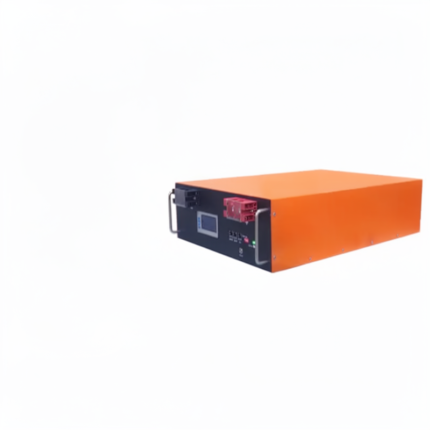


5kWh Lithium 48V 100Ah LiFePo4 Solar home battery
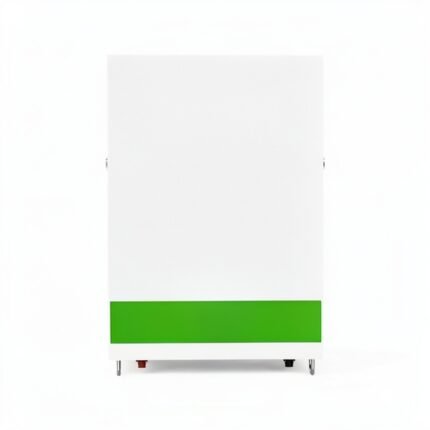
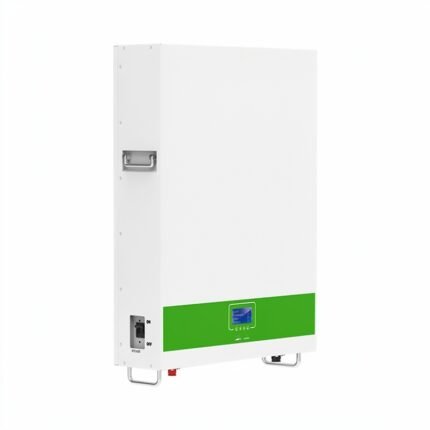
EG-Powerline-5 | 5.12kWh 48V 100Ah Ultra-Slim Wall-Mounted LiFePO4 Battery
Powerline-5 is a high-performance 5.12kWh LiFePO4 battery featuring a sleek, ultra-slim 90mm wall-mounted design, ideal for all 48V residential solar systems. Built with brand-new A-grade lithium iron phosphate cells (16S1P, 100Ah each) and advanced FPC manufacturing technology, it delivers exceptional stability, safety, and over 6,000 cycles at 90% DOD.
This battery supports up to 32 units in parallel (163.84kWh total), making it suitable for residential, commercial, and industrial energy storage needs. It comes with a built-in intelligent BMS for multiple layers of protection and is compatible with leading inverter brands such as Victron and Studer.
Directly shipped from our factory in China, Powerline-5 offers unbeatable value and factory-direct pricing — a smart choice for both homeowners and energy investors. Backed by a 10-year warranty for long-term peace of mind. For full specifications, please refer to our below detailed product page.
Australian Market 51.2v 200Ah 10.24kWh Wall-Mounted Solar Lifepo4 Battery Storage System
CMX Battery 51.2V 200Ah 10.24 kWh home energy storage battery — factory-direct from a LiFePO4 battery manufacturer and OEM/ODM partner, supplied wholesale and in bulk with private-label options.
- Performance: 6,000+ cycles @ 80% DoD with Grade A automotive cells and smart BMS protection; 5–10 year warranty.
- Compliance: Certified to CE, RoHS, UN38.3 and IEC62619 (UL available); CAN / RS485 / RS232 for inverter and EMS integration.
- Best for: Residential solar self-consumption; Off-grid and hybrid homes; Backup power during outages.
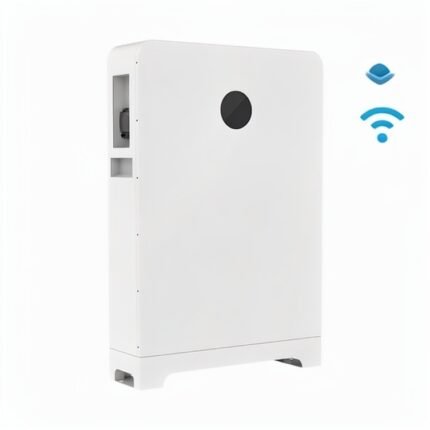
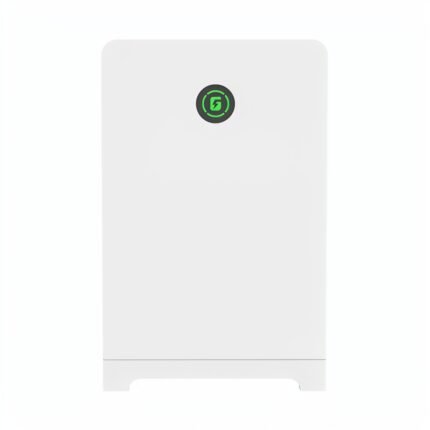
CMX Battery CB IEC62619 CE-EMC Solar Lifepo4 Battery Home Power Storage Wall 10Kwh 51.2V 200Ah Lithium-ion Batteries for House
CMX Battery 51.2V 200Ah 10 kWh home energy storage battery — factory-direct from a LiFePO4 battery manufacturer and OEM/ODM partner, supplied wholesale and in bulk with private-label options.
- Performance: 6,000+ cycles @ 80% DoD with Grade A automotive cells and smart BMS protection; 5–10 year warranty.
- Compliance: Certified to CE, RoHS, UN38.3 and IEC62619 (UL available); CAN / RS485 / RS232 for inverter and EMS integration.
- Best for: Residential solar self-consumption; Off-grid and hybrid homes; Backup power during outages.
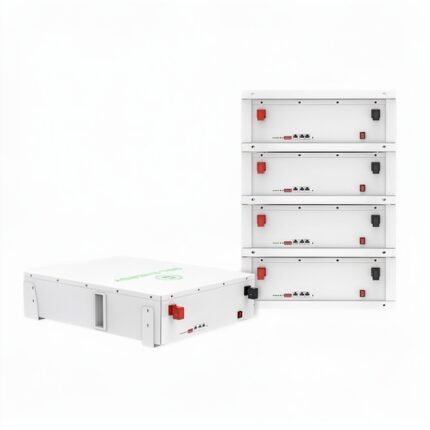
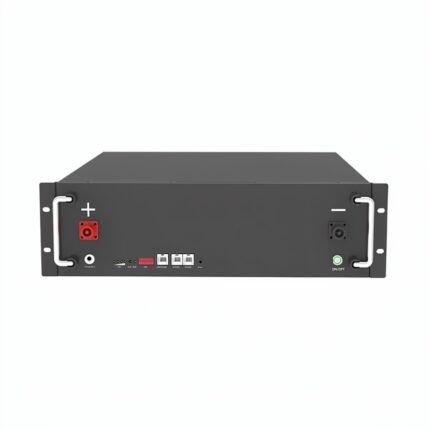
CMX Battery Energy Storage 5kwh Lithium Solar Stack Server…
CMX Battery 5 kWh home energy storage battery — factory-direct from a LiFePO4 battery manufacturer and OEM/ODM partner, supplied wholesale and in bulk with private-label options.
- Performance: 6,000+ cycles @ 80% DoD with Grade A automotive cells and smart BMS protection; 5–10 year warranty.
- Compliance: Certified to CE, RoHS, UN38.3 and IEC62619 (UL available); CAN / RS485 / RS232 for inverter and EMS integration.
- Best for: Residential solar self-consumption; Off-grid and hybrid homes; Backup power during outages.


Reviews
There are no reviews yet.