

Blog
Liquid Cooling vs Air Cooling for BESS: A Practical Comparison

In the expanding field of battery energy storage systems (BESS), effective thermal management plays a critical role in system performance, safety, efficiency, and overall economics. As industrial facilities, solar developers, and grid operators deploy larger and more frequent-cycling storage solutions for peak shaving, renewable integration, and energy resilience, the choice between liquid cooling and air cooling has become an important consideration.
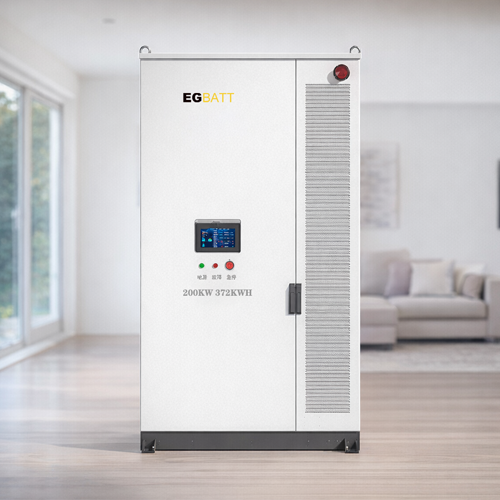
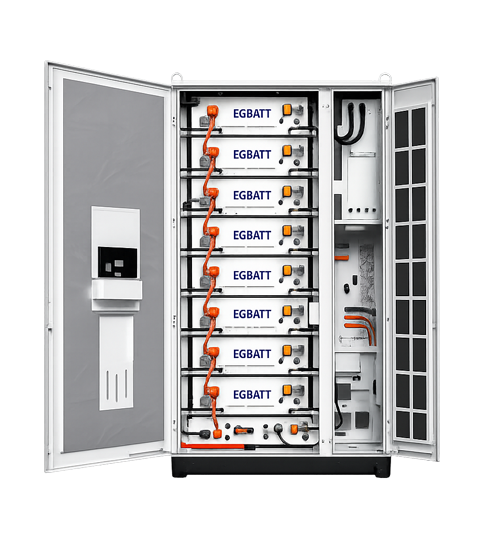
This article provides a balanced liquid cooling vs air cooling comparison for battery energy storage systems. It examines technical differences, real-world implications, and key factors to help decision-makers evaluate which approach may suit specific project needs. The discussion also references a high-capacity 200kW/372kWh liquid-cooled industrial BESS as one example of current liquid cooling implementation.
Common search topics covered include liquid cooled BESS advantages, air cooled vs liquid cooled battery storage, thermal management in industrial BESS, and considerations for high-capacity energy storage systems.
Why Cooling Matters in Battery Energy Storage
Battery cells produce heat during charging and discharging, particularly under high-power or frequent cycling conditions typical in industrial applications. Inadequate temperature control can result in:
- Temperature gradients leading to uneven cell aging
- Reduced round-trip efficiency
- Accelerated capacity fade over time
- Increased risk of thermal issues in hot environments
- Higher auxiliary power consumption
Air cooling typically uses fans and HVAC systems to move air across or through the battery modules. Liquid cooling employs a closed-loop fluid (usually water-glycol mixture) that circulates through channels or plates in direct or close contact with the cells.
Both methods are used in commercial and industrial BESS, but their performance characteristics differ significantly depending on operating conditions, duty cycles, and site environments.
What is Air Cooling in BESS?
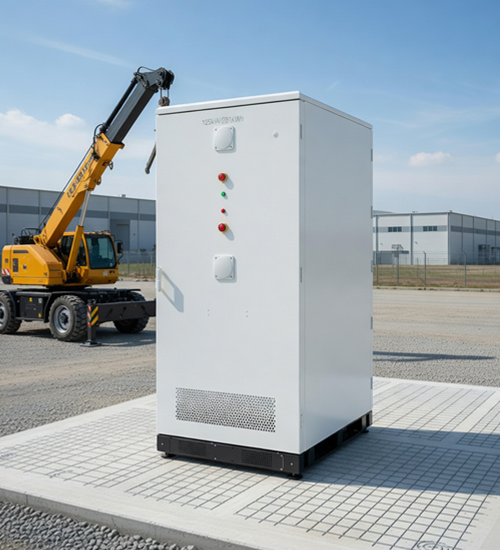
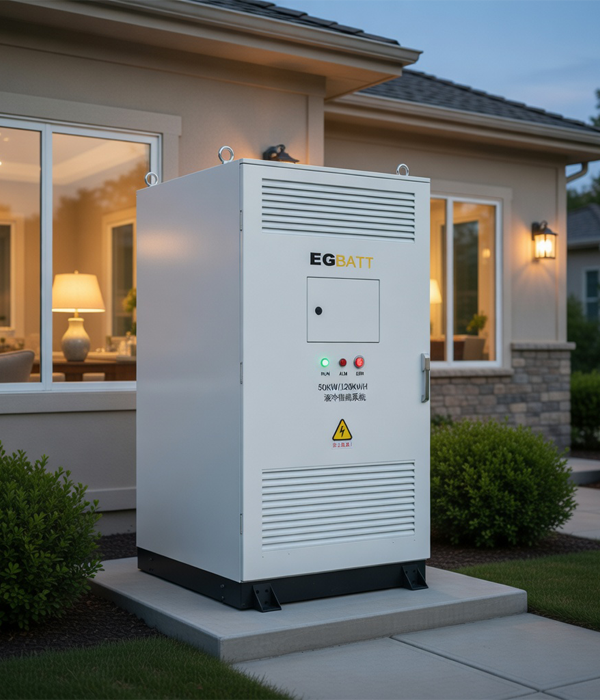
Air cooling uses fans and HVAC systems to circulate air across battery modules.
Advantages
- Lower upfront cost (≈15–20% cheaper)
- Simple structure, easy installation
- Low maintenance complexity
Limitations
- Weak heat transfer capability
- Uneven temperature distribution
- High parasitic energy consumption (fans run continuously)
- Poor performance in hot climates
Best suited for:
Residential ESS and Small commercial systems
What is Liquid Cooling in BESS?
Liquid cooling circulates coolant (water-glycol or dielectric fluid) directly around battery cells using cold plates.
Advantages
*Heat transfer efficiency far higher than air (up to ~25×)
*Precise temperature control (±1–3°C)
*Higher energy density (30–40% more compact systems)
*Lower energy consumption (pumps vs fans)
*Better safety and reduced thermal runaway propagation
Limitations
Higher initial cost
More complex system design
Requires leak-proof engineering
Best suited for:
Industrial & utility-scale BESS
High-temperature regions
High C-rate / high-density applications
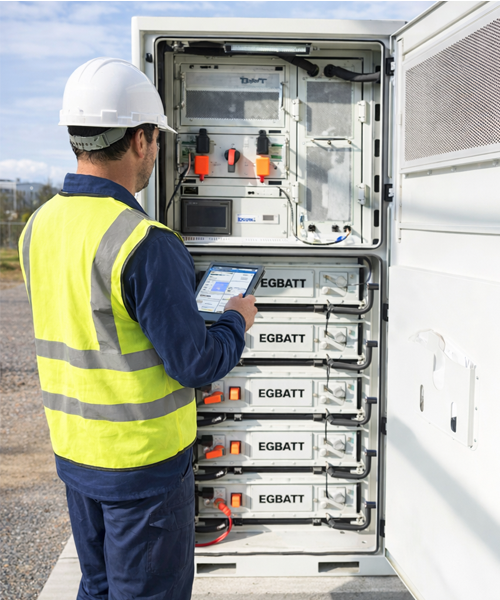
Side-by-Side Comparison: Liquid Cooling vs Air Cooling in BESS
| Parameter | Air Cooling | Liquid Cooling |
|---|---|---|
| Cooling Efficiency | Low | Very High |
| Temperature Uniformity | 3–5°C variation | 1–2°C variation |
| Energy Density | Lower | 30–40% higher |
| Parasitic Power | 3–5% | 1–2% |
| Lifespan Impact | Faster degradation | Extended cycle life |
| Upfront Cost | Lower | Higher |
| Maintenance | Simple | Moderate |
| Best Application | Small systems | Industrial / utility |
Real-World Impact on Project Economics
The choice of cooling system directly affects project ROI: Example: A liquid-cooled system can double energy capacity in the same container footprint compared to air-cooled systems
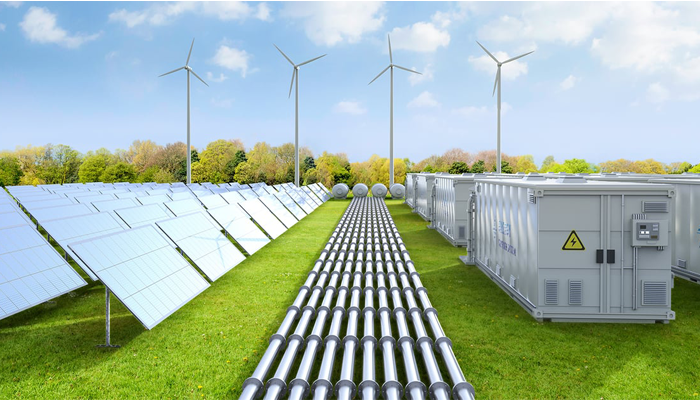
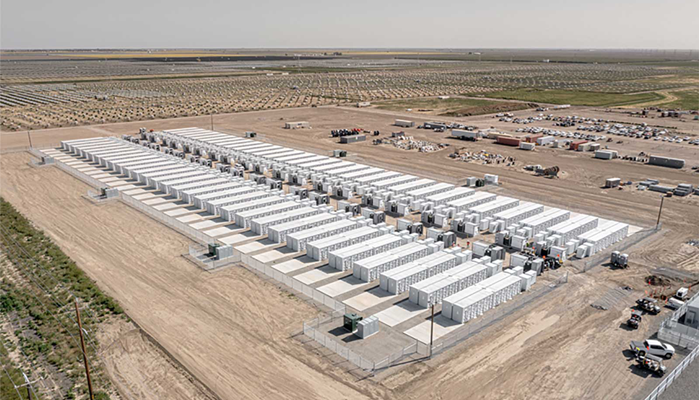
With Air Cooling:
- Larger footprint → higher land cost
- More containers required
- Higher energy loss (fans)
- Faster battery degradation
With Liquid Cooling:
- Higher density → fewer containers
- Lower OPEX (energy savings)
- Longer lifecycle (10–20% improvement possible)
- Better performance in harsh climates
Which One Should You Choose?
Choose Air Cooling if:
- Budget is limited
- Project scale is small (<100kWh–500kWh)
- Climate is mild
Choose Liquid Cooling if:
- You are deploying C&I or utility-scale BESS
- Ambient temperature is high
- You need long lifecycle & high ROI
- Space is limited
Why Liquid Cooling is Becoming the Industry Standard
Industry trends are clear:
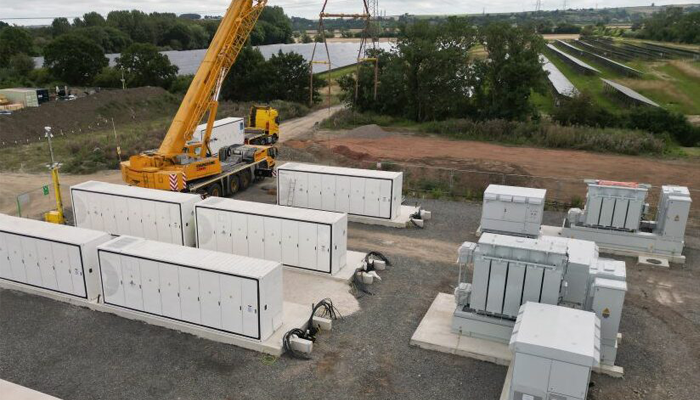
- Utility-scale BESS (>5MWh) → almost all liquid-cooled
- Increasing energy density → air cooling hitting limits
- Safety standards becoming stricter
The question today is no longer:
“Is liquid cooling better?”
But rather:
“Is air cooling still viable for large projects?”
Conclusion
Liquid cooling is not just a technical upgrade—it’s a strategic advantage in modern energy storage.
- Higher efficiency
- Better safety
- Lower lifecycle cost
- Higher system density
For industrial and commercial applications, liquid-cooled BESS is rapidly becoming the default choice.
Frequently Asked Questions
What is the difference between liquid cooling and air cooling for BESS?
Air cooling uses fans to move air over cells; liquid cooling circulates coolant through plates in contact with cells. Liquid cooling controls temperature more tightly and supports higher density.
When should I choose liquid-cooled BESS?
Choose liquid cooling for high-density cabinets (200 kWh+), hot climates, or C&I sites where uniform cell temperature and longer cycle life matter most.
Is air cooling enough for home or small commercial storage?
Yes. Air cooling is simpler, cheaper and adequate for most residential and small commercial LFP systems up to ~100 kWh.
Does liquid cooling improve battery life?
Yes. Tighter temperature control reduces cell divergence and degradation, extending cycle life in demanding duty cycles.