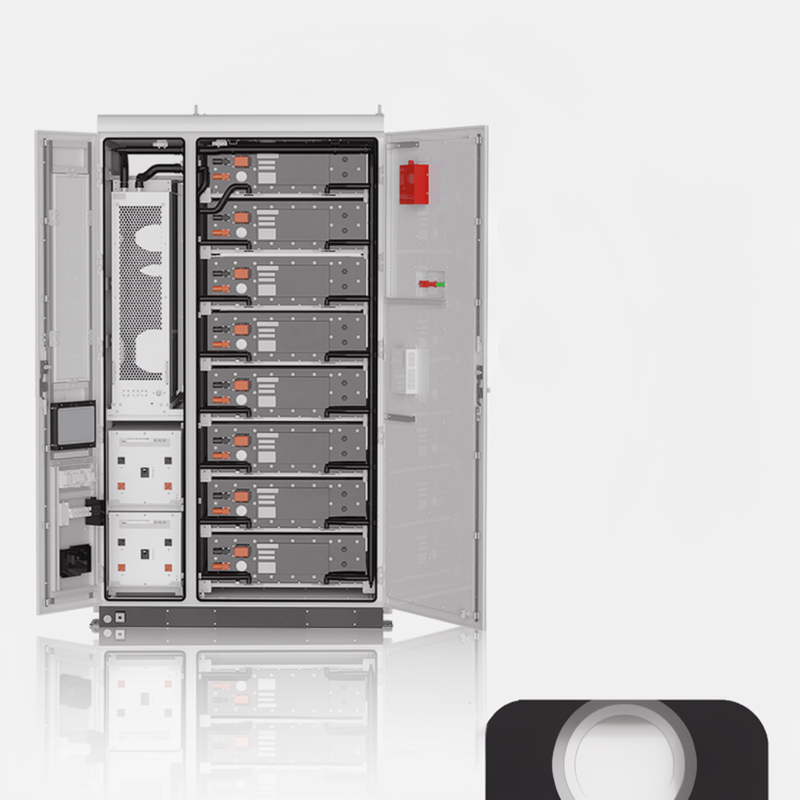
Turn a punishing demand charge into a manageable line item
Peak shaving
100 kWh – 1 MWh+
Clips peak kW and TOU windows
EMS-automated dispatch
Sizing power and energy
Power (kW) is set by the peak you want to clip; energy (kWh) by how long it stays clipped. Both come from your tariff and 12-month load profile.
Peak you clip
Battery power
Energy for 2 h
Energy for 4 h
100 kW
100 kW
200 kWh
400 kWh
250 kW
250 kW
500 kWh
1,000 kWh
500 kW
500 kW
1,000 kWh
2,000 kWh
Payback is modelled from your demand charges and peak window — not assumed. Bring your tariff and we will run it.
What we integrate
PCS
Bi-directional power conversion matched to the kW you clip.
EMS
Automated dispatch against tariff windows and load forecasts.
Monitoring
kW, kWh, state of charge and savings reporting in one view.
Grid code
Documented to UL9540A and your local interconnection rules.
Overview
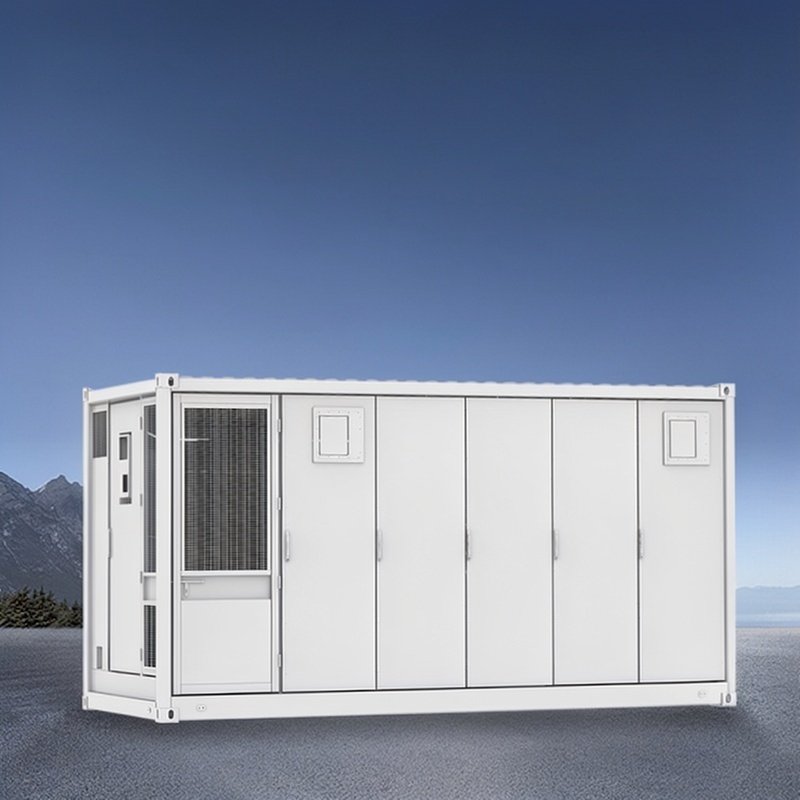
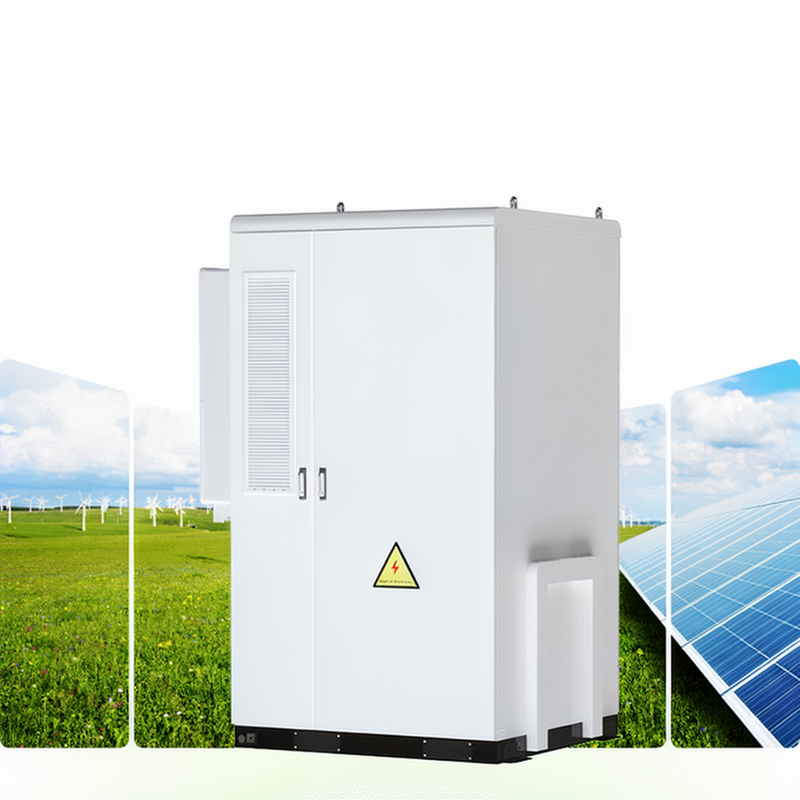
Peak shaving uses stored energy to clip the brief, expensive power spikes (demand charges) and high time-of-use periods that dominate commercial electricity bills. EGbatt models your tariff and load profile to size the right power (kW to clip) and energy (kWh to ride), then builds a 100kWh–1MWh+ LiFePO4 system with PCS, cooling and monitoring. The economics are local: the value is your peak kW and how often it hits, not a generic price per kWh. We show the payback from your actual data before you commit.
Bring your tariff and 12-month load profile — payback is modelled from those, not guessed.
Set power (C-rate) from the peak kW you want to clip; energy from how long it stays clipped.
Confirm PCS, grid-code and UL9540A with your AHJ.
Automate dispatch with an EMS once the system is in.
How EGbatt builds it
Solutions are where product lines meet an application — backup, off-grid, peak shaving or telecom. We specify the cell chemistry, capacity, inverter and controls as one system, then document the design so your team can deploy and service it.
Certifications & compliance
UN38.3 — Mandatory lithium battery transport test (altitude, thermal, vibration, shock, external short). Required for any cross-border shipment.
IEC62619 — International safety standard for industrial Li-ion cells and batteries; expected by EU and most APAC buyers.
UL1973 — North American safety standard for stationary lithium battery systems.
UL9540A — Fire safety test method for ESS installations; often required by US authorities having jurisdiction.
IEC63056 — Safety requirements for stationary lithium battery energy storage systems.
CE — EU declaration of conformity for the applicable directives.
IP54
Frequently asked questions
How much can I save?
From your demand charges and peak window; we model payback from your tariff and load.
What size do I need?
Power from peak kW to clip, energy from clip duration — modelled per site.
Air or liquid cooling?
Air for lower density; liquid when kWh per cabinet or climate demands it.
Do you supply the PCS?
We integrate or match a PCS and provide EMS hooks.
Related products & resources
100kWh Cabinet
Liquid-Cooled Cabinets
Containerised BESS
More in this series
Energy Storage Solutions & Applications
Whole Home Battery Backup
Off-Grid Solar Battery Systems
Telecom & UPS Battery Backup
UPS Lithium Battery Solutions
Talk to an application engineer
Send us your voltage, capacity, dimensions, certification target and annual volume. Our engineering team returns a proposal within three working days. Start your RFQ or review our custom pack capabilities.