UPS Lithium Battery Buying Guide: Size & Compare LiFePO4 | EGbatt
A UPS is only as good as the battery behind it. This guide explains, with the actual math, how to pick the right lithium (LiFePO4) UPS battery — runtime, voltage, chemistry and form factor — so you stop over-buying and start getting backup time you can prove.
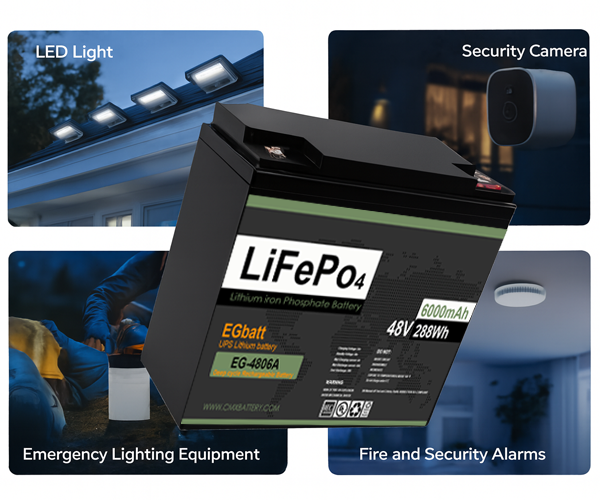
Why Lithium (LiFePO4) for a UPS?
Legacy UPS units ship with sealed lead-acid (VRLA) because it is cheap. But in a server room, telecom site or clinic the real cost is downtime and replacement labor. LiFePO4 changes the equation:
- Cycle life: 3,000–6,000 cycles at 80% DoD vs 300–500 for VRLA.
- Weight: roughly one-third the mass — easier racking, lower floor load.
- Maintenance: no watering, no equalization, no acid spills.
- Recharge: reaches 95% in 1–2 h vs 6–8 h for lead-acid; tolerates partial charging.
- Safety: stable chemistry, no thermal runaway at cell level when a proper BMS is fitted.
Lead-Acid vs LiFePO4 for UPS — Specification Comparison
| Parameter | VRLA Lead-Acid | LiFePO4 (UPS) |
|---|---|---|
| Cycle life @80% DoD | 300–500 | 3,000–6,000 |
| Calendar life | 3–5 years | 10 years |
| Weight (48V 5kWh) | ~180–220 kg | ~55–70 kg |
| Recharge time to 95% | 6–8 h | 1–2 h |
| Maintenance | Watering / equalize | None |
| Usable DoD | 50% | 80–100% |
| 10-yr TCO | High (2–3 swaps) | Lower |
How to Calculate the Right UPS Battery Size
The single formula you need (load in watts, time in minutes):
Battery Ah = (Load_W × Runtime_min / 60) / (Battery_V × DoD × 0.85)
Worked example. Protect a 1,000 W rack (switches + 2 servers) for 30 minutes on a 48 V bus at 80% DoD:
(1000 × 30 / 60) / (48 × 0.80 × 0.85) ≈ 12.3 Ah → choose a 15 Ah (~0.72 kWh) module, then add 20% headroom for aging and inverter loss.
Rule of thumb: size for the worst realistic load, not the average, and never run lead-acid below 50% or LiFePO4 below 80% DoD if you want the rated cycle life.
UPS Battery Voltage & Form Factor: 12V / 24V / 48V Rack-Mount
- 12 V: desktop and small line-interactive UPS; usually 1–2 internal modules.
- 24 V: tower UPS up to ~3 kVA.
- 48 V: rack-mount and modular UPS — the sweet spot for data-center and telecom. EGbatt ships both a standard 48V 100Ah server-rack pack and a 3U rack-mount 48V 100Ah for tight bays.
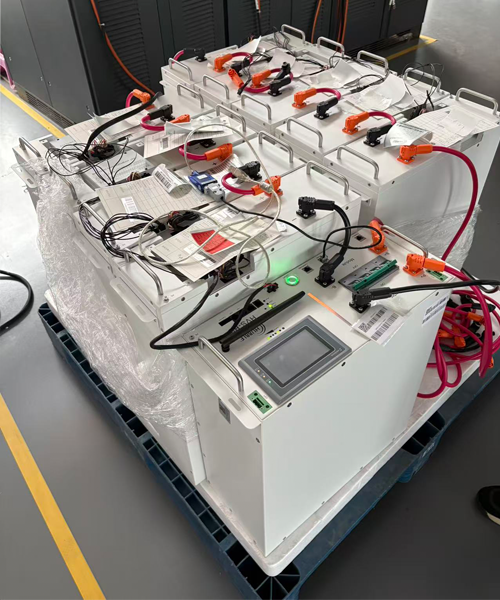
5-Step UPS Battery Selection Checklist
- Read the DC bus voltage off the UPS nameplate (12/24/48 V) — non-negotiable.
- List the protected load in watts, peak and sustained.
- Decide backup minutes (usually 10–30 min is enough to ride a transfer or graceful shutdown).
- Run the Ah formula above, round up 20%.
- Confirm the form factor (rack-mount vs tower) and BMS/charger compatibility before ordering.
Typical UPS Battery Applications
- Server rooms & edge data centers (48 V rack-mount)
- Telecom / BTS sites (24–48 V, often solar-hybrid)
- Medical & lab equipment (clean, maintenance-free)
- Industrial PLC & control cabinets
- Retail POS & kiosks
See the full UPS lithium battery product range or talk to our engineers about a drop-in replacement for your existing lead-acid string.
Related UPS Lithium Batteries
Popular rack-mount and modules from our UPS range:
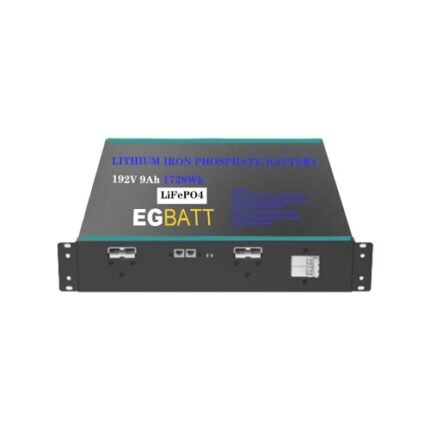
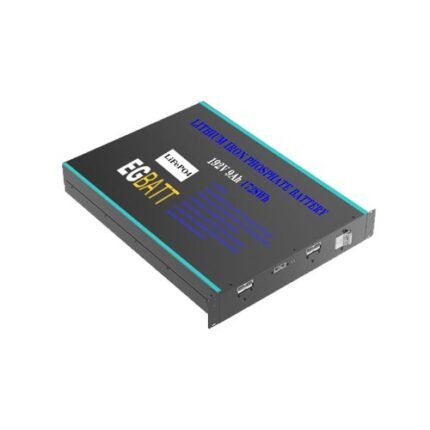
180V 9Ah Output Power 12KVA LiFePO4 UPS lithium Battery
180V 9Ah UPS Lithium battery with 7C Discharge for 12KVA Power output backup
The 180V 9Ah UPS Lithium Battery is built with Grade A LiFePO4 cells, offering exceptional stability, long life, and high safety standards. Designed for rack-mounted UPS systems up to 12KVA, it ensures fast response and reliable backup in mission-critical environments like data centers, server rooms, and telecom systems.This 180V 9Ah lithium iron phosphate battery supports up to 7C high-rate discharge and features an advanced BMS with full protection. With a compact 2U design and over 10 years of calendar life, it’s the ideal replacement for bulky lead-acid systems—offering higher efficiency, lighter weight, and smarter performanceModel: EG-18009A
- Type: UPS Lithium 192V 9Ah Battery
- Chemistry: LiFePO4 Cells
- Rated Voltage: 192V
- Rated Capacity: 9Ah
- Energy: 1728Wh
- Max Discharge Current: 63A
- Best Match: UPS ≤ 12KVA
- Easy Expansion: supports up to 8 battery packs in parallel.
- Dimensions (L x W x H):650*438*88MM
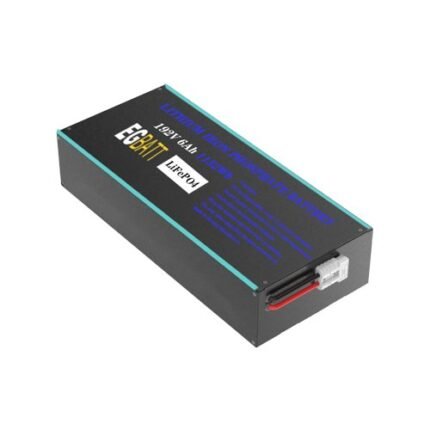
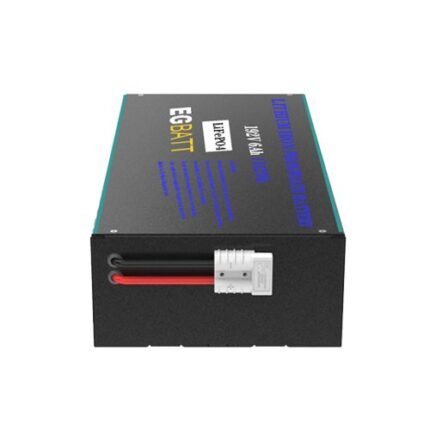
180V 6Ah 7.5C High-Rate UPS LiFePO4 Lithium Battery for 8KVA UPS system
180V 6Ah UPS Lithium battery with 7.5C Discharge for 8KVA Power output backup
The 180V 6Ah UPS Lithium Battery is built with Grade A LiFePO4 cells, offering exceptional stability, long life, and high safety standards. Designed for rack-mounted UPS systems up to 8KVA, it ensures fast response and reliable backup in mission-critical environments like data centers, server rooms, and telecom systems.This 180V 6Ah lithium iron phosphate battery supports up to 7.5C high-rate discharge and features an advanced BMS with full protection. With a compact 3U design and over 10 years of calendar life, it’s the ideal replacement for bulky lead-acid systems—offering higher efficiency, lighter weight, and smarter performanceModel: EG-18006A
- Type: UPS Lithium 192V 6Ah Battery
- Chemistry: LiFePO4 Cells
- Rated Voltage: 192V
- Rated Capacity: 6Ah
- Energy: 1152Wh
- Max Discharge Current: 45A
- Best Match: UPS ≤ 8KVA
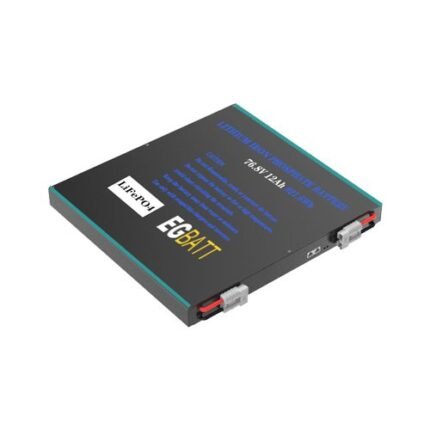
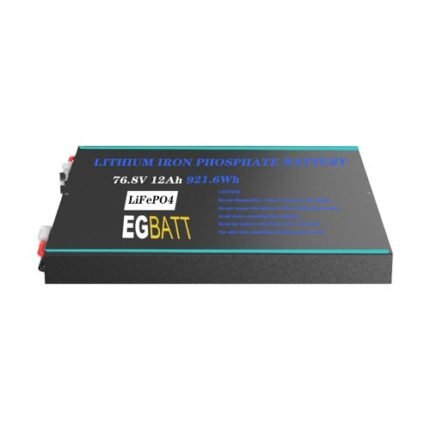
72V 12Ah UPS Lithium Battery 7C high-rate discharge 6KVA UPS Backup LiFePO4 Solution
72V 12Ah UPS Lithium Battery 7C high-rate discharge 6KVA UPS Backup
The 72V 12Ah UPS Lithium Battery is a high-performance backup power solution designed for 6KVA UPS systems. With advanced LiFePO4 cells, smart BMS protection, and support for RS232/RS485 communication, it delivers safe, stable, and efficient power for critical equipment in data centers, hospitals, and server rooms.Compared to traditional lead-acid batteries, this 72V lithium battery offers up to 5 times longer lifespan, 1/3 the weight, and a compact design that saves space. Ideal for long runtime UPS applications, it ensures reliable 15-minute backup and supports easy expansion with up to 8 packs in parallel.Model: EG-7212A
- Type: UPS Lithium 72V 12Ah Battery
- Chemistry: LiFePO4 Cells
- Rated Voltage: 76.8V
- Rated Capacity: 12Ah
- Energy: 921.6Wh
- Max Discharge Current: 84A
- Best Match: UPS ≤ 6KVA
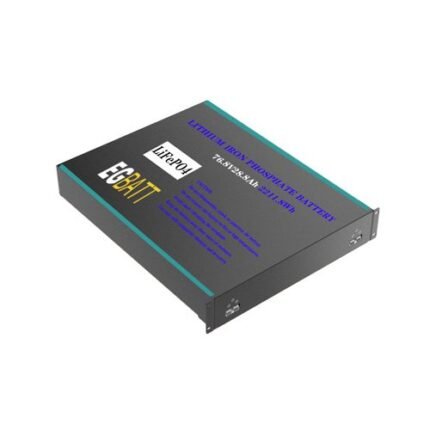
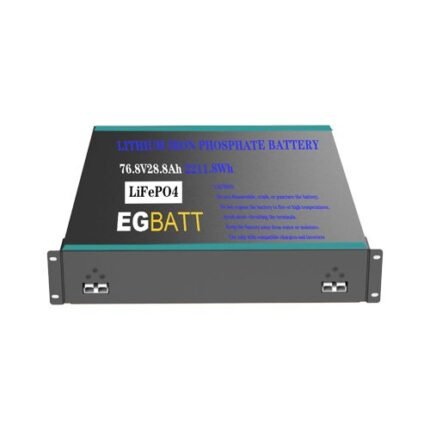
72V 28.8Ah UPS Lithium Battery 4KVA Long Backup LiFePO4 Solution
72V 28.8Ah UPS Lithium Battery – 4KVA Long Backup LiFePO4 Solution.
The 72V 28.8Ah UPS Lithium Battery is a high-performance backup power solution designed for 4KVA UPS systems. With advanced LiFePO4 cells, smart BMS protection, and support for RS232/RS485 communication, it delivers safe, stable, and efficient power for critical equipment in data centers, hospitals, and server rooms.Compared to traditional lead-acid batteries, this 72V lithium battery offers up to 5 times longer lifespan, 1/3 the weight, and a compact design that saves space. Ideal for long runtime UPS applications, it ensures reliable 30-minute backup and supports easy expansion with up to 8 packs in parallel.Model: EG-7228A
- Type: UPS Lithium 72V 28.8Ah Battery
- Chemistry: LiFePO4 Cells
- Rated Voltage: 76.8V
- Rated Capacity: 28.8Ah
- Energy: 2211.8Wh
- Max Discharge Current: 58A
- Best Match: UPS ≤ 4KVA
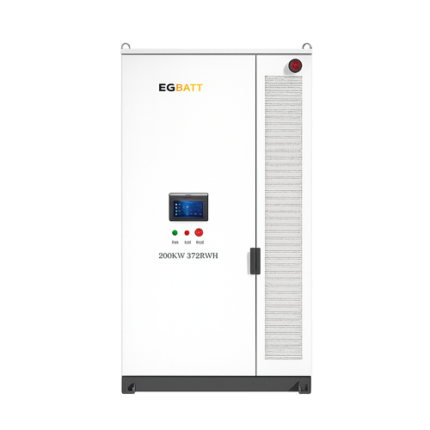
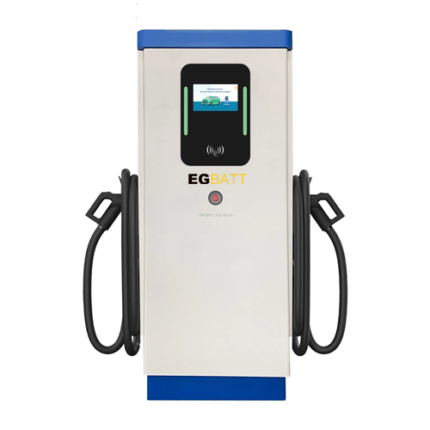
Browse All Battery Categories

Frequently Asked Questions
What size UPS battery do I need?
Size it from your protected load (watts) and the backup minutes you require, not from the UPS VA rating alone. Use: Battery Ah = (Load_W x Runtime_min / 60) / (Battery_V x DoD x 0.85). Example: a 1,000 W load needing 30 min on a 48 V bank at 80% depth-of-discharge (DoD) needs roughly (1000 x 30 / 60) / (48 x 0.80 x 0.85) ≈ 12.3 Ah — round up to a 15 Ah (≈0.7 kWh) module and oversize 20% for aging.
Is LiFePO4 better than lead-acid for a UPS?
For most stationary UPS roles, yes. LiFePO4 delivers 3,000–6,000 cycles vs 300–500 for VRLA lead-acid, weighs about one-third, needs no watering or equalization, recharges 3–5x faster, and runs safely at partial state-of-charge. The upfront price is higher, but total cost of ownership over a 5–10 year life is typically lower once you count replacement labor, floor load and downtime.
How long does a UPS lithium battery last?
A quality LiFePO4 UPS pack lasts 10 years calendar life and 3,000–6,000 charge cycles at 80% DoD. A VRLA lead-acid string lasts 3–5 years and only 300–500 cycles, and degrades faster in warm server rooms — so it is usually replaced 2–3x within one LiFePO4 life.
What voltage is a UPS battery — 12V, 24V or 48V?
Match the UPS DC bus. Desktop/line-interactive units are usually 12 V; tower and small rack UPS are 24 V or 48 V; data-center and modular UPS use 48 V strings (or higher). Always confirm the DC bus voltage on the UPS nameplate before ordering a replacement pack.
Can I replace lead-acid UPS batteries with lithium?
Yes, in most drop-in LiFePO4 replacements that include a built-in BMS. The key checks are: identical nominal voltage, a charge profile compatible with LiFePO4 (constant-current/constant-voltage, no float over-charge), and that the UPS does not rely on lead-acid ‘battery missing’ detection. EGbatt modules are built for direct swap-in on standard 12V/24V/48V UPS buses.
How do I calculate UPS backup time?
Backup_min = (Battery_Ah x Battery_V x DoD x Efficiency x 60) / Load_W. With a 15 Ah, 48 V pack at 80% DoD and 85% efficiency behind a 1,000 W load: (15 x 48 x 0.80 x 0.85 x 60) / 1000 ≈ 29 minutes. De-rate 10–15% for inverter losses and cell aging.
Request a Quote
Tell us your UPS model, DC bus voltage and required backup minutes — we return a sized LiFePO4 proposal, usually within one business day.