
Blog
Diesel Generators vs Battery Energy Storage Systems (BESS): What Industrial Users Are Really Choosing Today

Industrial energy systems are undergoing a major transformation.
More factory owners, engineers, and energy managers are actively comparing:
- diesel generator systems vs battery energy storage systems (BESS)
- industrial diesel generators vs lithium battery backup systems
- traditional diesel power generation vs modern energy storage solutions
This is no longer just a technical discussion. It is a decision driven by cost reduction, energy reliability, and long-term industrial energy strategy.
1. Why Diesel Generator vs Battery Storage Has Become a Key Industrial Debate
For decades, diesel generator systems have been the default solution for industrial backup power.
They are widely used for:
- factory backup power systems
- industrial standby diesel generators
- emergency power supply systems
- off-grid diesel generator installations
- commercial backup electricity supply
However, this traditional model is now being challenged.
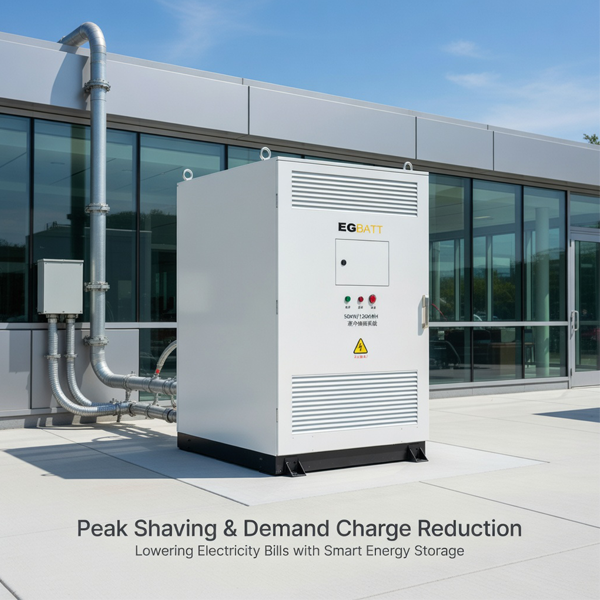
🔺 Rising fuel and operating costs
Diesel generators depend heavily on fuel consumption, making long-term operation expensive and unstable due to fuel price fluctuations.
🔺 High maintenance requirements
Diesel generator systems require:
- engine servicing
- oil and filter replacement
- mechanical maintenance
- fuel logistics and storage
🔺 Environmental regulations
Many industries are facing stricter requirements on: carbon emissions; noise pollution; environmental compliance standards
🔺 Grid instability and peak electricity pricing
Factories are increasingly affected by:
- peak demand charges
- unstable grid supply
- unexpected power outages
These challenges are accelerating the adoption of battery energy storage systems (BESS) and hybrid solar storage solutions.
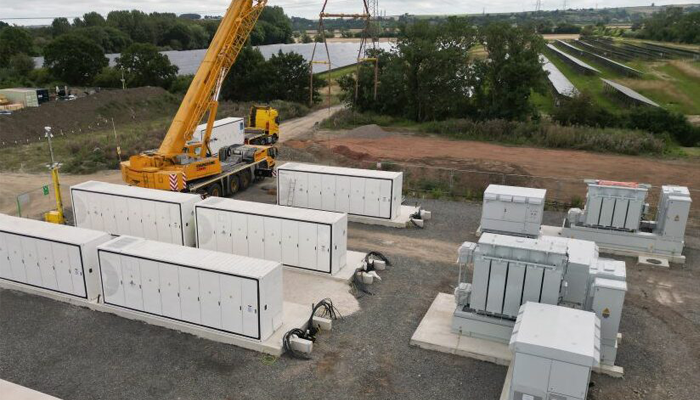
2. Diesel Generator vs Battery Energy Storage System (BESS)
2.1 Operating Cost Comparison
Diesel Generator Systems
- fuel-based electricity generation
- high cost per kWh output
- continuous dependence on diesel fuel supply
- unpredictable long-term operating cost
Battery Energy Storage Systems (BESS)
- charged via solar or off-peak grid electricity
- extremely low operating cost after installation
- stable and predictable energy cost structure
- suitable for peak shaving and load shifting
In most industrial applications, LiFePO4 battery energy storage systems significantly reduce total energy cost over time.
2.2 Maintenance and Lifecycle
Diesel generator systems require:
- frequent maintenance cycles
- engine wear replacement
- fuel system cleaning
- continuous mechanical inspection
Battery energy storage systems require:
- minimal physical maintenance
- software-based monitoring via BMS/EMS
- long cycle life (especially LiFePO4 chemistry)
This is why industrial users are shifting toward low-maintenance energy storage solutions
2.3 Noise, Emissions, and Environmental Impact
Diesel generator systems:
- high noise output
- exhaust gas emissions
- limited use in indoor or urban environments
Battery energy storage systems:
- silent operation
- zero direct emissions
- suitable for clean energy industrial applications
This makes BESS ideal for modern sustainable factories
2.4 Response Time, Stability & System Integration
Diesel generator systems typically require 10–30 seconds startup time, while battery energy storage systems (BESS) respond almost instantly (milliseconds level), making them far more suitable for sensitive manufacturing environments, automation production lines, and UPS-level industrial backup applications.
Modern industrial energy systems are also no longer single-source setups. They commonly integrate solar photovoltaic (PV) systems, lithium battery energy storage systems (LiFePO4), hybrid inverters or PCS (Power Conversion Systems), and energy management systems (EMS).
This integrated design enables key functions such as industrial peak shaving, load shifting optimization, solar self-consumption, hybrid microgrid operation, and partial or full off-grid factory power systems.
3. Why More Factories Are Switching to Battery Energy Storage Systems
The shift from diesel generator systems to battery energy storage systems (BESS) is driven by three main industrial applications:
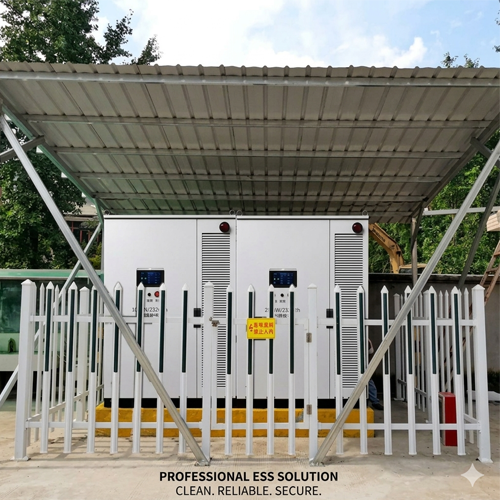
3.1 Peak Shaving & Backup Power Optimization
Factories often face high electricity tariffs during peak hours, which makes industrial peak shaving battery storage systems a key solution.
Battery systems can store energy during low-cost periods and discharge during peak demand, effectively reducing electricity bills and demand charges.
At the same time, many factories are moving away from relying solely on diesel generators and adopting diesel generator + battery hybrid systems, lithium battery backup power systems, and intelligent industrial microgrid solutions.
These setups offer faster response time, reduced diesel consumption, improved power reliability, and lower maintenance costs.
3.2 Solar Integration & Hybrid Energy Systems
When combined with solar photovoltaic (PV) systems, battery energy storage enables full solar energy storage solutions for factories, allowing daytime energy generation and nighttime usage, reducing grid dependency and improving energy independence.
This combination forms the foundation of modern solar + storage hybrid power systems, supporting renewable industrial energy systems, peak shaving optimization, and partial or full off-grid factory operation
4. Typical Industrial Battery Energy Storage System Sizing
Industrial battery energy storage systems are not standardized products—they are designed based on specific factory energy demands.
Key sizing factors include:
- total factory load demand (kW / kWh)
- daily operating hours and load profile
- required backup duration
- peak demand characteristics
- solar PV system capacity (if integrated)
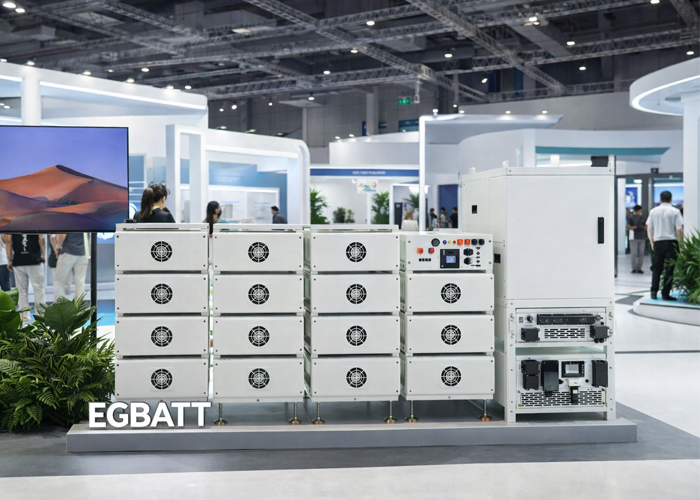
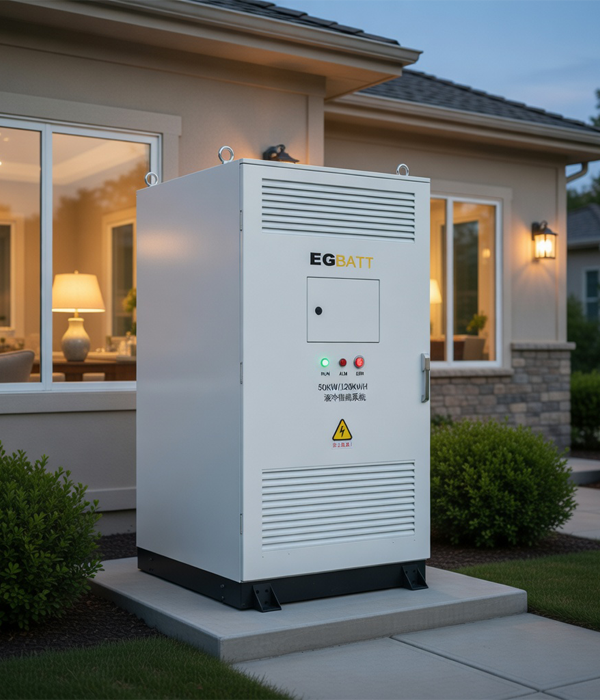
Based on these parameters, common industrial configurations typically range from:
- 100kW–200kW hybrid inverter systems for small-to-medium factories
- 150kWh–300kWh lithium battery energy storage systems for standard industrial backup and peak shaving applications
- 200kWh+ commercial and industrial ESS solutions for larger facilities
- high-voltage LiFePO4 battery systems for scalable microgrid applications
These industrial energy storage systems are widely deployed in manufacturing facilities, logistics warehouses, food processing plants, industrial parks, and commercial buildings where energy stability and cost optimization are critical.
5. Diesel Generator vs Battery Storage: The Real Industry Trend
In real industrial applications, the shift from diesel generators to battery energy storage systems (BESS) is a gradual transition, not a direct replacement.
Current reality
Most factories now use a hybrid approach:
- Diesel generators → long-duration backup power
- Battery energy storage systems (BESS) → peak shaving, fast response backup
- Solar PV systems → cost reduction and energy optimization
The most common configuration today is: Hybrid Energy System (Diesel Generator + Battery Storage + Solar PV)
This setup improves reliability while reducing operating cost.
Long-term trend
The industry direction is clear:
Battery energy storage systems (BESS) are becoming the core of industrial power infrastructure
Factories are increasingly moving toward:
- solar + storage microgrids
- battery-first energy systems
- smart energy management (EMS)
- reduced diesel generator dependence
6. Example of Industrial Battery Energy Storage System
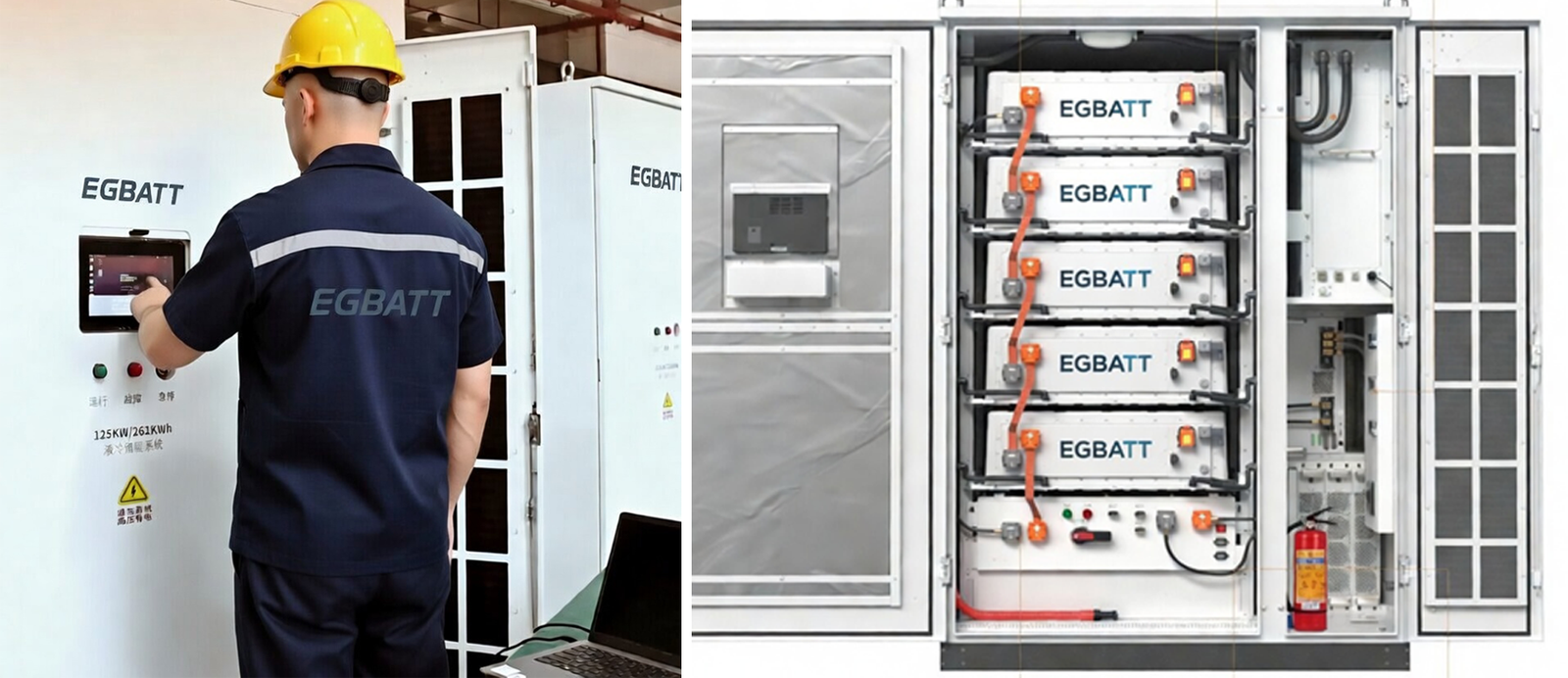
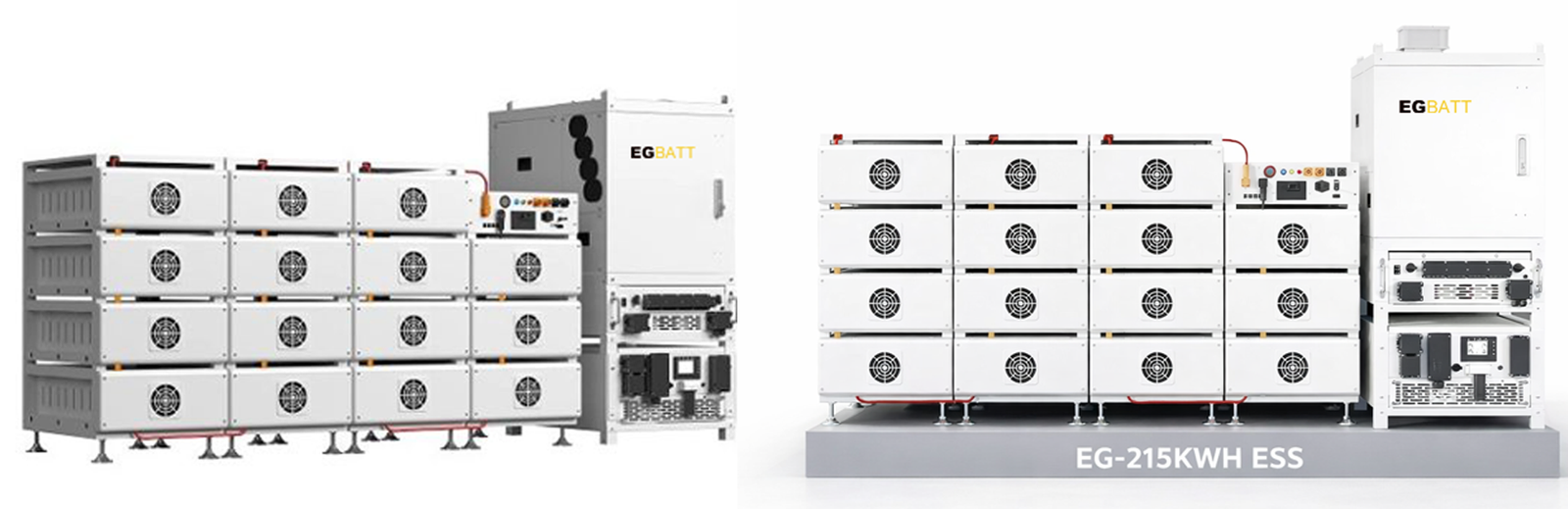
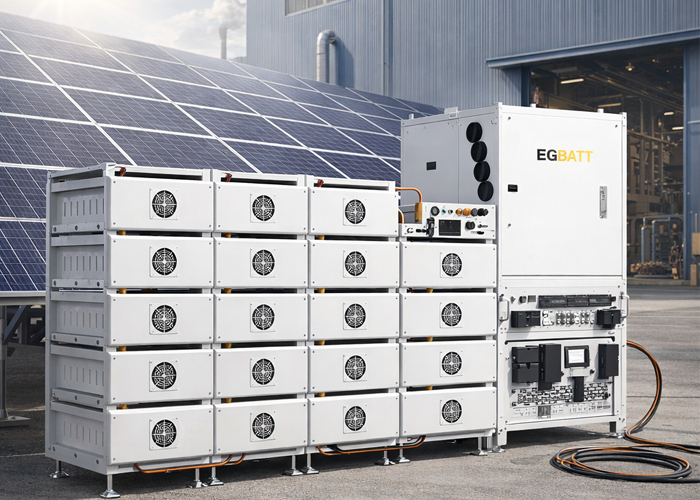
A typical industrial LiFePO4 battery energy storage system (BESS) includes:
- High-voltage lithium battery bank
- 100kW–125kW hybrid inverter or PCS
- Battery Management System (BMS)
- Energy Management System (EMS)
- Optional solar MPPT integration
Typical applications
factory backup power systems
industrial peak shaving solutions
solar + battery hybrid systems
off-grid industrial energy systems
microgrid energy storage projects
Example system
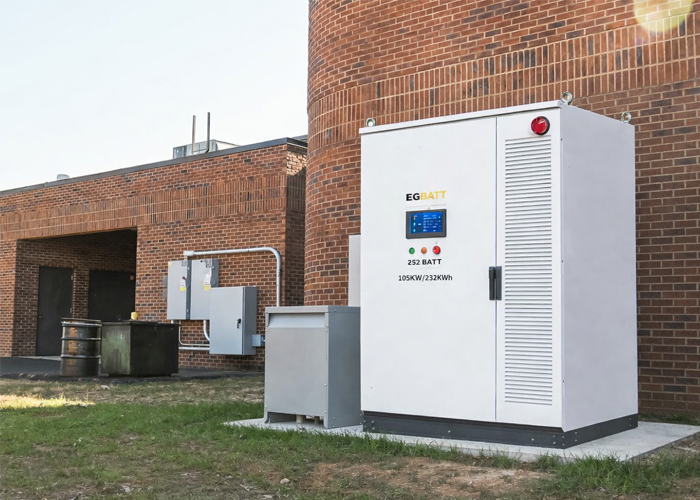
A typical 200kWh+ industrial energy storage system designed for factory-level backup and energy optimization.
Key Takeaway
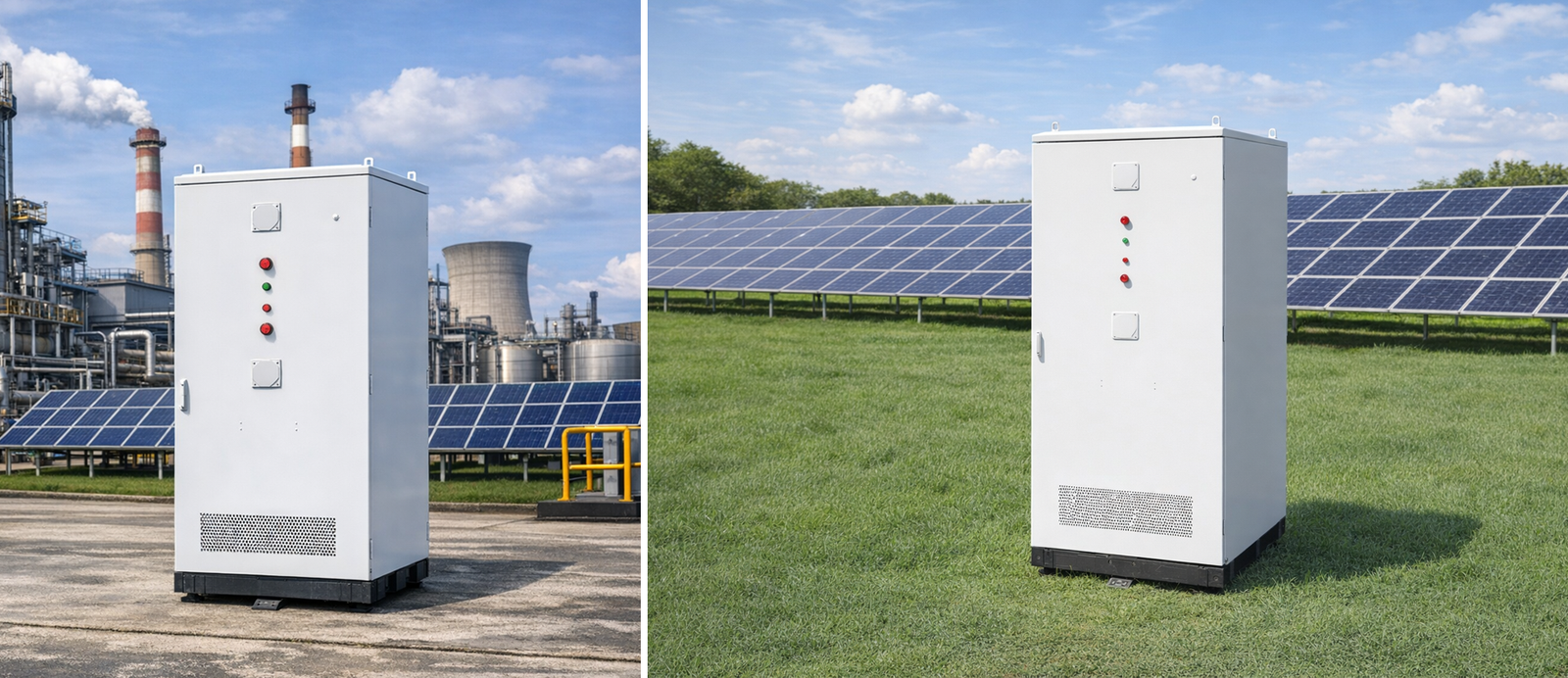
When comparing diesel generator systems vs battery energy storage systems (BESS), the right solution depends on several key factors, including energy cost structure, required backup duration, environmental regulations, system automation needs, and long-term energy strategy.
Overall, the global industrial energy landscape is clearly shifting from diesel generator-based power systems toward intelligent lithium battery energy storage systems (BESS). With the rapid growth of industrial ESS (Energy Storage Systems), solar + battery hybrid systems, commercial microgrid solutions, and peak shaving energy storage systems, factories are increasingly adopting more efficient, stable, and sustainable energy architectures.
Related CMX Battery Solutions
Frequently Asked Questions
Diesel generators vs BESS – what are industrial users choosing?
Many are pairing or replacing diesel with BESS for cleaner, lower-maintenance backup and peak-shaving, keeping generators for long-duration or remote sites.
Is BESS cheaper than a diesel generator over time?
BESS has higher upfront but near-zero fuel and maintenance; for frequent-run or demand-charge sites, lifetime cost often favors BESS. Diesel wins for rare, long-duration outages.
Can BESS fully replace a diesel generator?
For short-to-medium outages and peak-shaving, yes. For days-long outages or very high sustained load, hybrid (BESS plus generator) is the resilient choice.
Are BESS cleaner than diesel?
Yes – zero on-site emissions and far lower noise, helping meet emissions targets and indoor or urban site rules.
What should I size first when comparing?
Size by critical load, outage-duration target, and run frequency; then compare 10-year total cost of ownership including fuel, maintenance, and incentives.