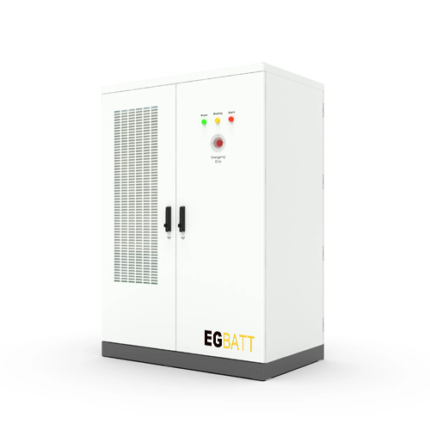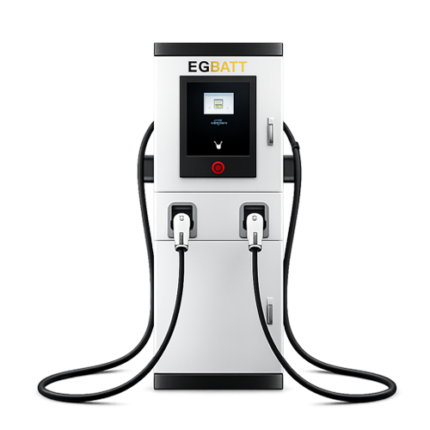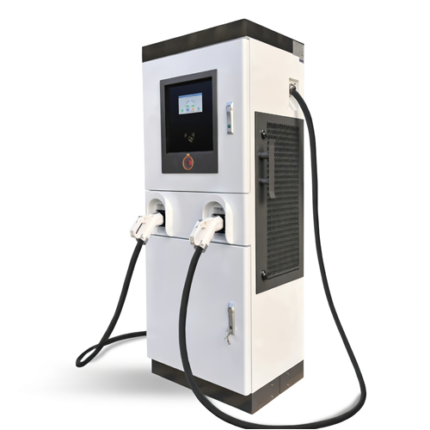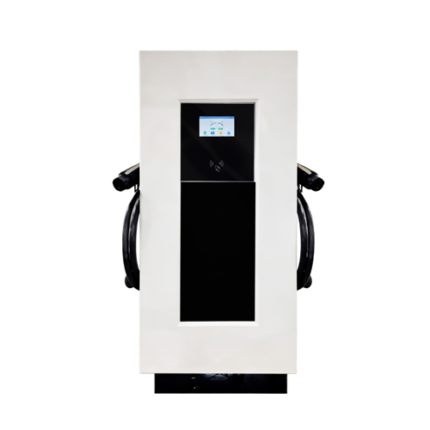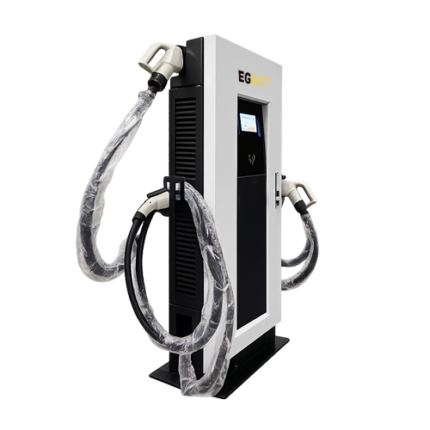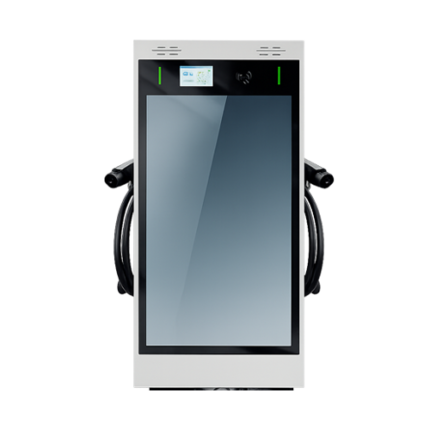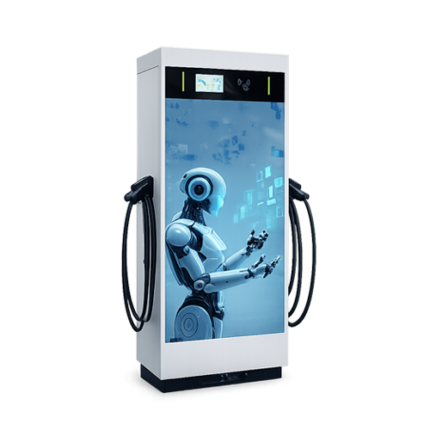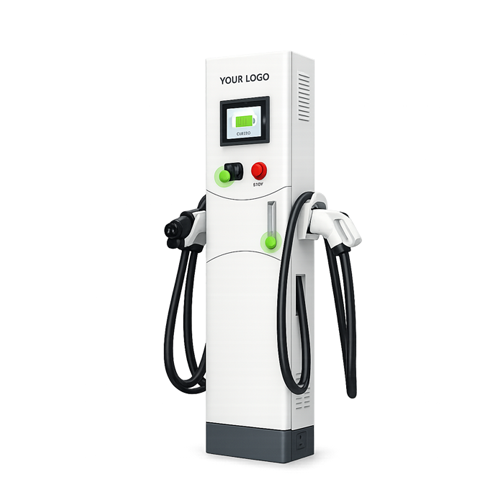
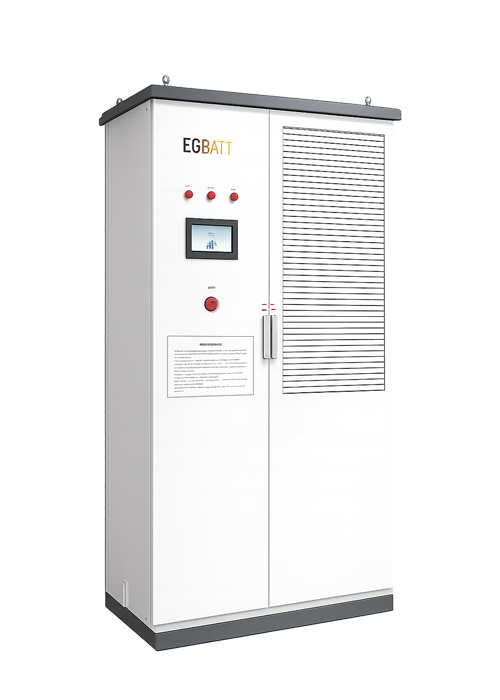
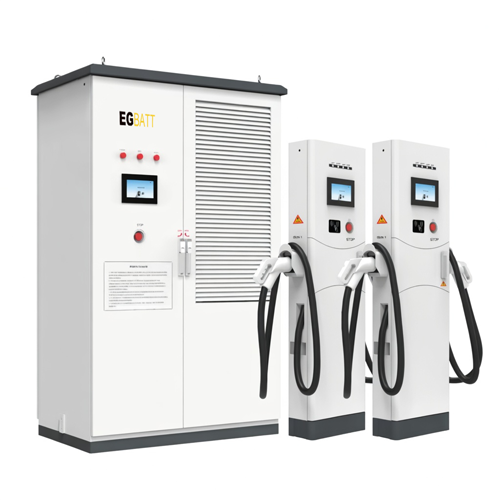
120kW Split DC Fast Charger for Commercial EV Charging Stations
EGBATT 120 kW Split DC Fast Charger for Commercial EV Stations – 4 Intelligent Ports with Ultra-Wide 200–1000 V Output and Dynamic Load Balancing for Maximum Efficiency
- Charger Type: Split DC Fast Charger (Power Cabinet + Dispensing Terminals)
- Total Output Power: 120 kW, dynamically allocated across 4 charging points
- Voltage Range: 200–1000 V ultra-wide output, compatible with all EVs
- Efficiency: ≥ 96% high-efficiency DC conversion
- Power Management: Intelligent load allocation & dynamic load balancing
- Applications: Commercial charging stations, fleet depots, public EV networks
- Operational Savings: Up to 25% lower electricity costs via smart load distribution
- Future-Proof: Designed for current and next-generation electric vehicles
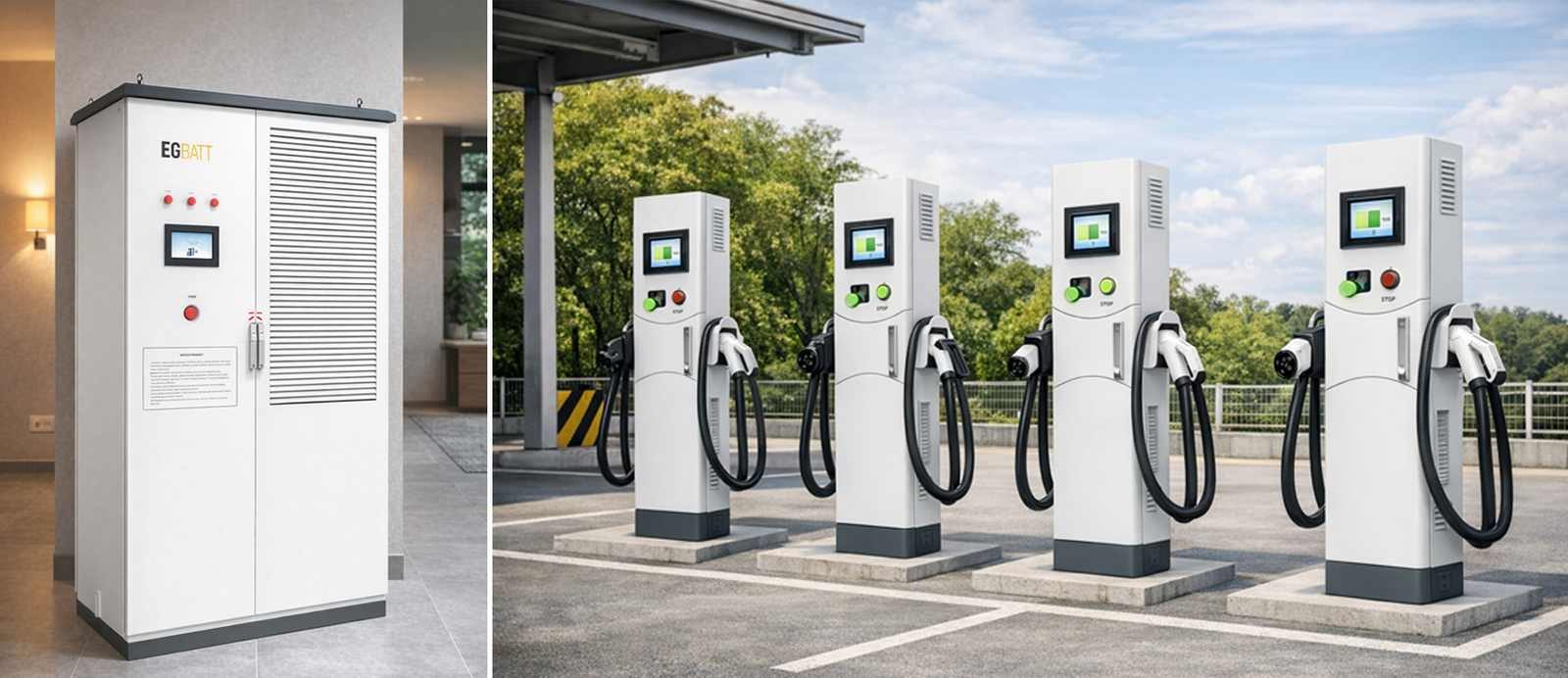
120kW Split DC Fast Charger for Commercial EV Charging Stations
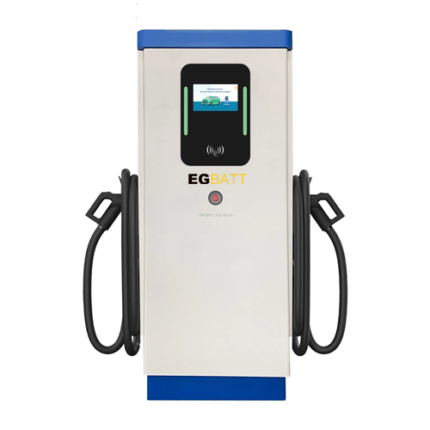
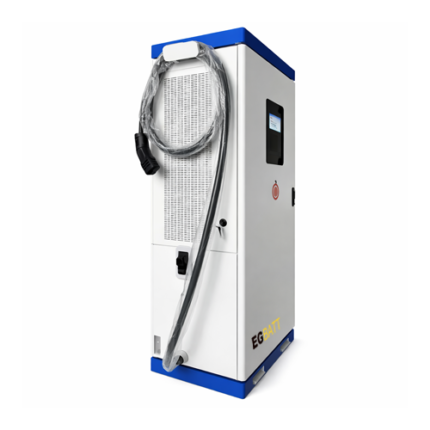
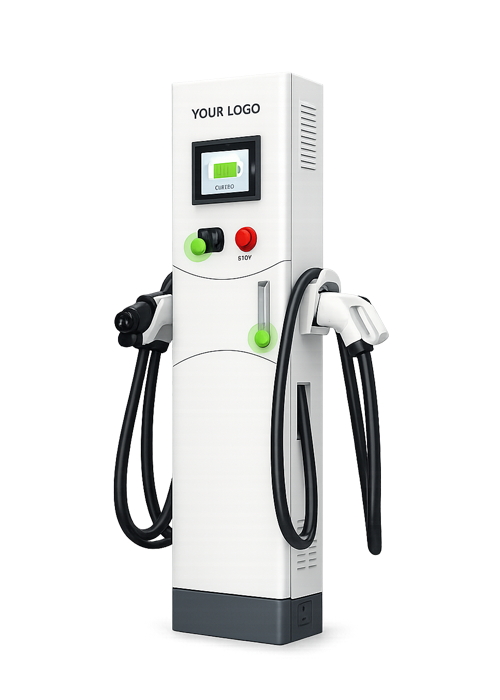
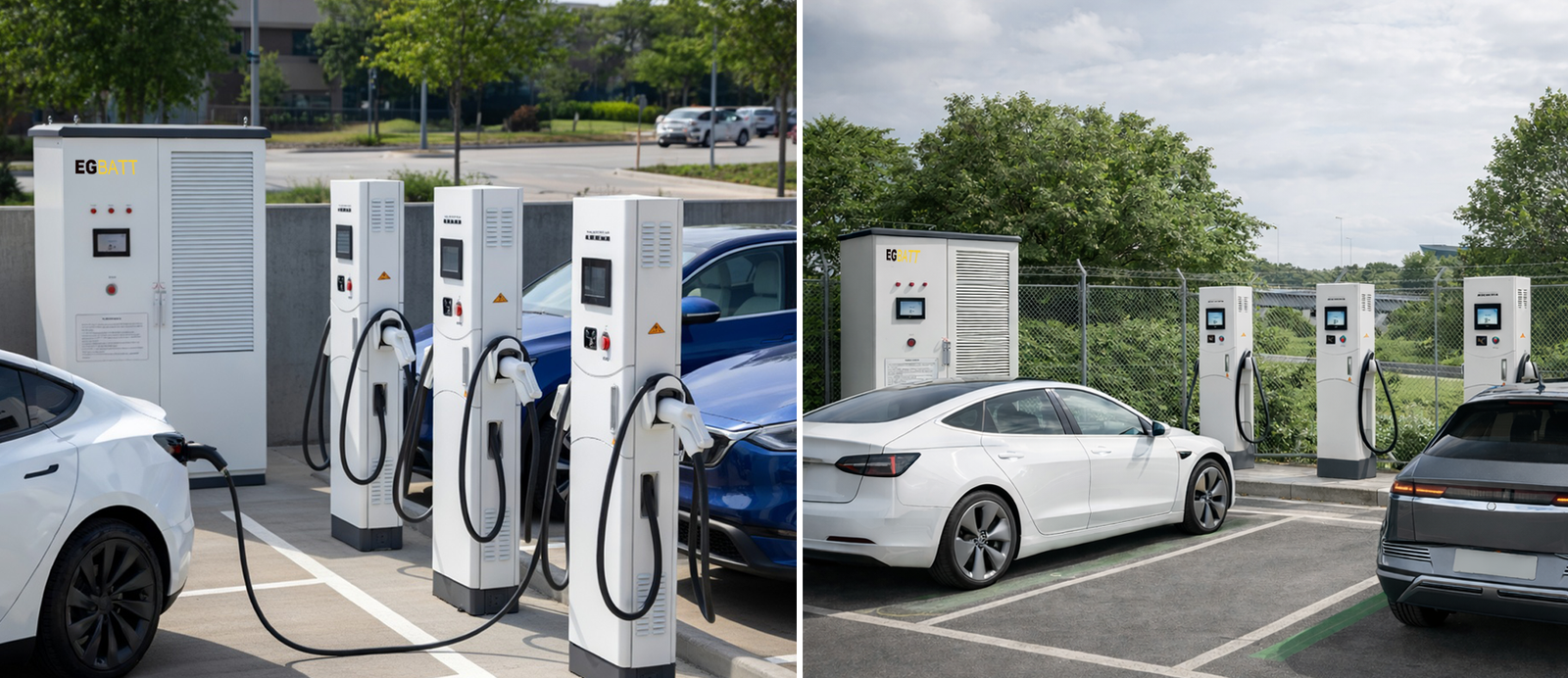
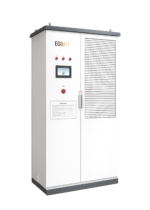
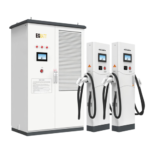
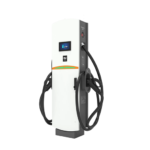
The EGBATT 120kW split DC fast charger is a powerful, modular Level 3 DC fast EV charging station engineered for high-traffic commercial environments. This split-type architecture separates the high-power rectifier cabinet from the compact dispensing terminals, maximizing parking space utilization, simplifying maintenance, and enabling flexible installation.
With up to 120kW total output dynamically allocated across 4 charging guns, ultra-wide 200-1000V DC voltage range, and intelligent power management, it delivers ultra-fast charging for virtually all electric vehicles — including 400V and 800V architectures. Perfect for commercial EV charging stations, fleet depots, logistics centers, public charging hubs, workplaces, corporate campuses, and destination charging sites.

Key advantages include up to 25% lower electricity costs through smart load distribution, OCPP-compliant backend integration, ISO 15118 Plug & Charge readiness, and robust IP54 weatherproof design for reliable outdoor or indoor operation.
Key Features & Benefits
| Feature | Technical Specification | Business Benefit |
|---|---|---|
| Intelligent Power Allocation | Dynamic distribution between 4 guns with "first come, first served" or "evenly distributed" strategies | Maximizes charger utilization; reduces wait times; prevents overloads; lowers peak demand charges |
| Ultra-Wide Voltage Range | 200-1000V DC output; supports 400V and 800V architectures | Future-proof investment; compatible with all EV models including passenger cars, SUVs, and commercial fleets |
| Modular Split Design | Separate power cabinet (1600×1100×700mm) and extension units (1500×500×250mm) | Flexible installation; easier maintenance; optimized parking space utilization |
| OCPP 1.6/2.0.1 Compliance | Full OCPP 1.6 (JSON) support; upgradeable to OCPP 2.0.1; ISO 15118 ready | Seamless backend integration; remote monitoring; smart charging schedules; future-proof connectivity |
| Multiple Connectivity Options | Ethernet, 4G, WiFi; CAN/485 industrial protocols | Reliable network connection anywhere; real-time data access; remote diagnostics and updates |
| IP54 Robust Enclosure | Weatherproof design; corrosion-resistant materials; operating temperature -40℃ to +75℃ | Outdoor installation ready; long service life; minimal maintenance requirements |
| Multiple Authentication Modes | RFID, mobile APP, OCPP commands, optional QR code, password mode | Flexible access control; supports public, semi-public, and private operations |
| Integrated Safety Systems | Over/under voltage protection; over-current; over-temperature; leakage detection; emergency stop | Regulatory compliance; personnel safety; equipment protection; peace of mind |
Smart Power Management, High Efficiency & OCPP Connectivity
Advanced Dynamic Load Management
Our dynamic load balancing EV charger continuously monitors total site power consumption and automatically adjusts charging output to prevent overloads. When building systems such as HVAC or lighting increase demand, the charger temporarily reduces power and restores full charging once capacity becomes available.
This grid import limiting technology allows operators to maximize charging availability while staying within their existing electrical capacity—eliminating unnecessary infrastructure upgrades.
High-Efficiency Power Conversion
With conversion efficiency above 98%, this high-efficiency DC fast charger minimizes energy loss during AC-to-DC conversion, helping commercial operators reduce long-term electricity costs.
An advanced forced-air cooling system maintains stable operating temperatures while keeping noise levels low, making the charger suitable for workplaces, parking structures, and mixed-use environments.
Future-Ready Communication Architecture
The charger supports OCPP 1.6 for seamless integration with most charging management systems and is upgradeable to OCPP 2.0.1 for enhanced security, device management, and advanced transaction handling.
Its API-ready architecture enables easy integration with EV fleet management software, allowing operators to monitor chargers remotely, automate reporting, and implement predictive maintenance.
Technical Specifications
| Basic Information | Model Number | EG-DC-CD120kW |
|---|---|---|
| Charger Type | Level 3 DC Fast Charger (Mode 4) | |
| Configuration | Split Type | |
| Electrical Performance | Maximum Power Output | 120kW |
| Input Voltage | 380V AC ±15% (3P+N+PE) | |
| Output Voltage Range | 200-1000V DC | |
| Maximum Output Current | 250A per circuit | |
| Frequency | 50-60Hz | |
| Peak Efficiency | ≥98% | |
| Standby Power Consumption | <50W | |
| Power Factor | >0.99 (full load) | |
| Total Harmonic Distortion (THD) | <5% | |
| Connectors | Number of Connectors | 4 Guns (expandable configuration) |
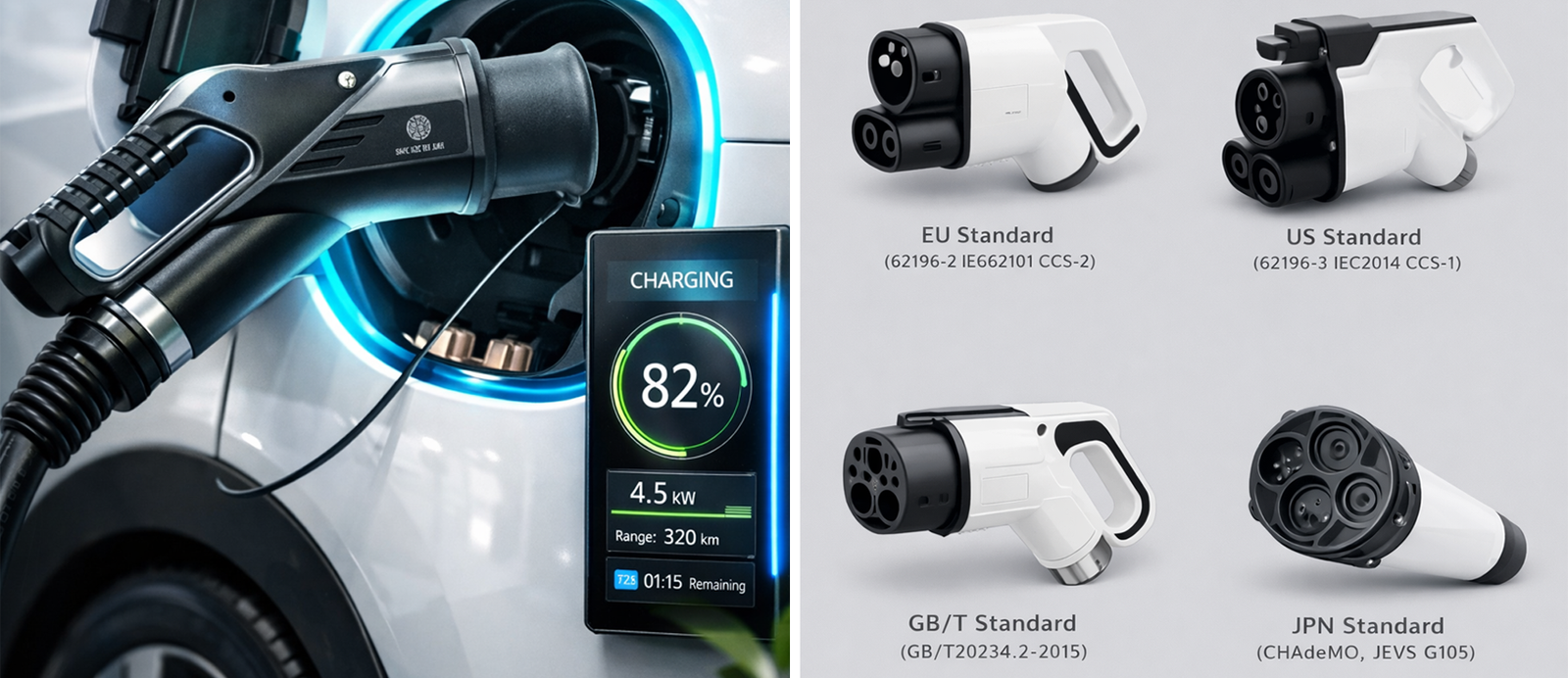
| Connector Type | CCS2 compliant with 5m cables (customizable) | |
| Communication & Connectivity | Communication Protocols | Ethernet LAN (standard) OCPP 1.6J (JSON) 4G Cellular (optional) OCPP 2.0.1 ready WiFi (optional) ISO 15118 (PnC) CAN 2.0B DIN 70121 RS485 GBT27930 CHAdeMO 2.0 |
| Environmental & Mechanical | Operating Temperature | -40℃ to +75℃ (derated above 55℃) |
| Storage Temperature | -40℃ to +80℃ | |
| Enclosure Material | Galvanized steel with anti-corrosion treatment | |
| Main Unit Dimensions | 1600 × 1100 × 700mm | |
| Extension Unit Dimensions | 1500 × 500 × 250mm | |
| Weight (Main Unit) | Approx. 250kg | |
| Ingress Protection | IP54 | |
| Impact Resistance | IK10 | |
| Cooling Method | Forced air cooling (low noise) | |
| Mounting Type | Floor-mounted | |
| Humidity | 5% to 95% RH (non-condensing) | |
| Altitude | ≤2000m | |
| Cable Length | 5m (customizable) | |
| User Interface | Display | 7-inch Color LCD Touchscreen |
| LED Indicators | Power, Charging, Fault, Connected | |
| Authentication Methods | RFID (ISO/IEC 14443A/B), APP, OCPP | |
| Supported Languages | Multi-language support | |
| Payment Integration | Via OCPP backend | |
| Safety Protections | Protection Features | Over-voltage, Under-voltage, Over-current, Over-temperature Ground fault monitoring (RCD Type B) Surge protection (Type 2) Lightning protection Emergency stop button |
| Charging Modes | Supported Modes | Standalone Mode (RFID) Network Mode (OCPP) Portable Mode (Free charging) Password Mode |
| Certifications | Certifications | CE compliant EN 61851-1:2010 EN 61851-23:2014 IEC 61851 series ISO 15118 Plug & Charge ready OCPP 1.6J certified |
Applications:
Fleet Depots & Logistics Centers
For logistics fleets transitioning to electric vehicles, reliable fleet charging infrastructure is essential. Our 120 kW DC fast charger supports multiple vans and trucks charging simultaneously, while dynamic load balancing optimizes power distribution.
Key benefits
- Fast fleet EV charging to reduce downtime
- Scalable EV fleet charging infrastructure
- Load balancing EV charger to lower peak demand
- RFID fleet authentication
- Integration with EV fleet management software
Public Charging Stations
Designed for high-traffic locations, this split DC fast charger allows multiple charging posts while centralizing power modules. OCPP 1.6 connectivity enables easy integration with public charging networks.
Ideal for
- Highway charging stations
- Retail and shopping centers
- Municipal public EV charging
- Urban charging hubs
- 4G connected EV chargers
Workplace Charging
Installing commercial EV charging stations helps companies support employee EV adoption and sustainability goals. Dynamic load management ensures safe charging when multiple vehicles are connected.
Workplace features
- Smart EV charger with scheduling
- RFID access control
- Wireless load balancing EVSE
- Energy reporting for ESG goals
Commercial Real Estate & Destination Charging
EV charging is a valuable amenity for modern properties. The modular split charging system allows developers to expand chargers as EV demand grows.
Applications
- Hotels and destination charging
- Office parks and business centers
- Mixed-use developments
- Airports and transportation hubs
Installation & Grid Compatibility
The 120 kW split DC fast charger should be installed by certified electricians familiar with commercial EV charging infrastructure and local electrical regulations. Before installation, confirm 380 V three-phase power, adequate transformer and switchgear capacity, and Ethernet or 4G connectivity for OCPP-based remote monitoring.
The system operates on 380 V AC three-phase input and requires proper circuit protection, industrial-grade cables, and reliable grounding. The power cabinet is installed on a stable base, while charging dispensers are placed at parking spaces and can be located up to 50 m from the cabinet, enabling flexible layouts for fleet depots and public charging stations.
Key operating conditions
- Outdoor-ready commercial DC fast charger
- Operating temperature −40 °C to +75 °C
- UV-resistant enclosure with optional anti-corrosion protection
- Dynamic load balancing EVSE for smart power management
- Supports peak shaving and demand response
Frequently Asked Questions
A split EV charging station for commercial use separates the power electronics (the "brains" and high-voltage components) from the dispensing terminals (the "user interface"). This design offers several advantages: the bulky power cabinet can be located in a utility area, freeing up premium parking space; maintenance can be performed on the power electronics without cordoning off parking bays; and multiple dispensers can be powered from a single central unit, reducing overall equipment costs for multi-stall installations.
Yes, absolutely. Our 120kW DC fast charger features an ultra-wide output voltage range of 200-1000V DC, making it compatible with virtually all electric vehicles on the market today. This includes older 400V architecture vehicles, modern 800V platform EVs, and even future models that may utilize even higher voltages. The charger automatically communicates with the vehicle's BMS (Battery Management System) to negotiate the optimal voltage and current, ensuring safe and efficient charging for every connected vehicle

OCPP (Open Charge Point Protocol) is the universal communication standard that enables charging stations to communicate with central management systems . Our OCPP 1.6 compliant charger ensures you are not locked into a single network provider. You can choose any OCPP-compatible backend platform for remote monitoring, user authentication, dynamic pricing, and smart charging schedules. OCPP is considered the "gold standard" for universal charging technology compatibility and security, protecting your investment from vendor lock-in and enabling future integration with smart grid services
Our charger offers multiple authentication modes to suit various operating scenarios. In RFID charging station mode, users tap authorized cards to start sessions—ideal for fleets and employee charging. In network mode, authentication is handled via OCPP backend, enabling mobile app control, RFID, or even automatic ISO 15115 plug-and-charge functionality. For public access, optional QR code authentication allows users to pay via smartphone. The standalone mode supports offline RFID operation, while password mode provides simple code-based access for private applications .
Dynamic load balancing is a technology that continuously monitors your site's total electrical consumption and adjusts charging power in real-time to prevent overloads . For example, if your building's HVAC system cycles on, increasing total power draw, the charger automatically reduces output to stay within your main breaker capacity. When the HVAC turns off, charging power is seamlessly restored. This wireless load balancing capability is essential for commercial sites where charging stations share electrical infrastructure with other building loads . It can eliminate the need for expensive utility service upgrades and prevent costly nuisance tripping.
Yes, through our comprehensive communication options. The charger supports CAN/485 industrial protocols for direct integration with building automation systems. Additionally, via OCPP 1.6, it can connect to energy management platforms that monitor and control building loads. For advanced applications, our API enables custom integration with EV fleet management software, allowing real-time monitoring of charging sessions, energy consumption reporting, and automated billing .
DC fast chargers require minimal but regular maintenance to ensure long-term reliability. Recommended maintenance includes:
Monthly: Visual inspection of cables and connectors for damage; clean display screen with damp cloth
Quarterly: Check and clean air intake filters; verify LED indicators function; test emergency stop button
Annually: Professional inspection of electrical connections (torque check); thermal imaging of power connections; firmware updates verification; safety system testing
Our modular design ensures that any required repairs can be performed quickly, with minimal downtime. The modular DC charging system architecture means individual power modules can be replaced without taking the entire station offline .
Our 120kW DC fast charger is fully certified to international safety standards. It complies with EN 61851-1:2010 (Electric vehicle conductive charging system - General requirements) and EN 61851-23:2014 (DC electric vehicle charging station requirements) . The unit features comprehensive safety protections including over-voltage, under-voltage, over-current, over-temperature, ground fault monitoring (RCD Type B), and surge protection. The enclosure carries IP54 ingress protection and IK10 impact resistance ratings, ensuring safe operation in demanding environments . All installations must be performed by qualified electrical contractors following local regulations
Inquiry Here: Power Your Commercial EV Future Today
Product & Packaging Details
Q: Do batteries include protection circuits(BMS) and connectors?
A:Protection: We supply batteries with BMS built in Protection Circuit Modules (PCM).
Connectors: We normally use standard like anderson,M8 lugs,Fast plugs or depends on OEM customer's demends.
Q: Are batteries Grade-A and brand new?
A: Yes, we use 100% brand new, Grade-A cells in all our batteries.
Q: Can you print our logo on the batteries?
A: Yes, we offer free custom logo printing with a minimal MOQ requirement.
Q: What is your standard packaging? Can it be customized?
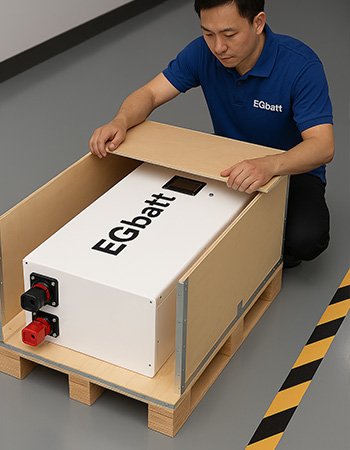
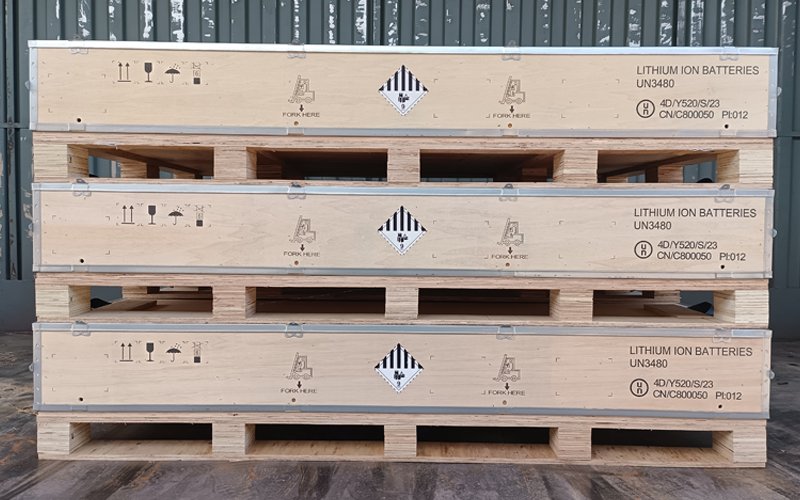
A: Our standard is a white box per battery. We fully support customized packaging, including carton box and logo design.
Yes. EGbatt is a manufacturer located in Shenzhen, Guangdong, China. It designs and produces LiFePO4 battery packs for energy storage, electric forklifts, marine applications, golf carts, RVs, and UPS systems.
Based on automated production technology, the current product lead time is 15-25 days.
The company has strategic cooperation agreements with top manufacturers like EVE and REPT, and insists on using A+ tier One lithium iron phosphate cells for its solar batteries.
For 48V inverters, compatible brands include Victron Energy, Goodwe, Studer, Solis, LuxPower, and others. For high-voltage three-phase inverters, compatible brands include Atess, Solinteg, SAJ, Goodwe, and Solis.
EGbatt offers dealer customers a 10-year warranty and technical service for its energy storage battery products.
DoD describes how much of the battery's capacity has been used. A DoD of 100% means the battery is completely empty, while 0% means it is full.
SoC reflects the battery's charge level. A SoC of 100% means the battery is full, and 0% means it is empty.
C-rate, or power factor, indicates how quickly a battery can be charged or discharged relative to its capacity. A rating of 1C means the battery can be fully charged or discharged in one hour.
The battery uses Lithium Iron Phosphate chemistry and provides a cycle life of over 6,000 cycles at 90% Depth of Discharge, and over 10 years at one cycle per day.
kW (kilowatt) is a unit of power, measuring the rate of energy production or consumption. kWh (kilowatt-hour) is a unit of energy, measuring the total amount of work done or energy used over time.
EGbatt home batteries are suitable for both indoor and outdoor installation (depending on the model's protection level) and offer floor-standing or wall-mounted options. Common locations include garages, attics, or under eaves.
This depends on the load. As a realistic example, a 10kWh battery could run ten 100-watt light bulbs for 12 hours without recharging.
The number varies based on home size, energy consumption history, and personal goals (like which devices to run during an outage). For most systems, 2 or 3 batteries are installed. A detailed discussion of your needs is recommended for an accurate assessment.
Yes, it is possible, but it requires careful planning and significant investment. A true off-grid system needs a large enough solar array and sufficient battery storage to sustain your lifestyle. Cost and having an alternative energy source for when solar charging isn't possible are key considerations.
No. EGbatt focuses on building long-term relationships with business partners like battery distributors, solar equipment dealers, and installation contractors worldwide, not direct sales to end consumers.
EGBATT Battery Compatibility with Inverters
Perfect Matching with Mainstream Hybrid and On-grid Inverters
EGBATT lithium battery systems are tested for seamless compatibility with a wide range of inverter brands across global markets. Whether for residential, commercial, or utility-scale applications, our batteries support multiple communication protocols (CAN/RS485) and work with both low-voltage (40–60V) and high-voltage (100–1500V) inverter platforms.
- Low-Voltage System Compatibility (40–60V)
Low-voltage systems typically operate in the 48V-60V range and are widely used in home off/grid-connected solar systems. EGBATT lithium batteries offer seamless compatibility with a wide range of leading inverter brands in this range, including:
Deye, Growatt, GoodWe, ZZPower, Solis, Sinexcel, SRNE, Schneider Electric, Megarevo, AISWEI, SMA, Luxpower, Victron Energy, Afore, Hoymiles, INVT, Sofar, OutBack Power, SolaX Power, tbbpower, Sacolar, Sunsynk, Sosen, SMD Solar, Must, SOROTEC, Sunman, Voltronic Power, SAJ, and more. - High-Voltage System Compatibility (100–1500V)
High-voltage energy storage systems generally operate in the voltage range of 150V-1000V and are adapted to high-power inverters for commercial and industrial energy storage systems (80kWh-200kWh and above). EGBATT high-voltage lithium battery systems are fully compatible with leading inverter brands within this range, including:
Sol-Ark, INVT, Sinexcel, Luxpower, SClinTeg, Shanghai Nenergy, Deye, Growatt, Xina Electric, Hoymiles, Sunsynk, Hopewind, Solis, SOSEN, Megarevo, EcoCod, GoodWe, Sunways, Jingshi Technology, Kehua Tech, AISWEI, KOYOE, Sermatec, Afore, and more.
We offer integration support and testing for most mainstream hybrid and on-grid inverters. Contact EGBATT for compatibility details and custom solutions.
Related products
160kW 4-Gun DC Fast Charging Point | Dynamic Load Balancing for EV Fleets
180kW DC Fast Charger | Scalable EV Charging Station for Commercial Fleets, Trucks & Buses
- Ultra-Fast Charging (Up to 180kW); Dual Charging for Higher Throughput
- Intelligent Power Distribution; Modular & Scalable Design
- Reliable Outdoor Performance; OCPP Compatible for Smart Management