lithium iron phosphate battery, Uncategorized

RV Battery Keeps Running Out Too Fast?

RV Battery Keeps Running Out Too Fast? A Practical Guide to Fixing Your Power Problem with a 12V 300Ah LiFePO4 Upgrade

One of the most common complaints from RV and off-grid users is simple but frustrating: the battery runs out faster than expected. Lights dim, inverters shut down, and essential appliances stop working — sometimes at the worst possible moment.

If this sounds familiar, the problem is usually not just “battery capacity,” but a combination of system sizing, battery chemistry, and monitoring visibility.

In this guide, we’ll walk through the real causes of fast battery drain and show practical solutions — including when upgrading to a high-capacity 12V 300Ah LiFePO4 battery makes technical sense.

12V RV mini 300Ah lithium battery

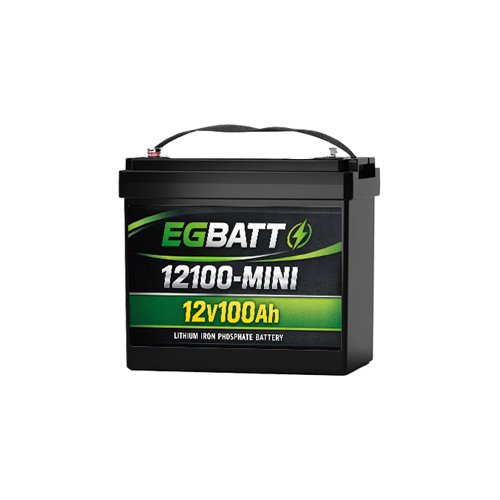
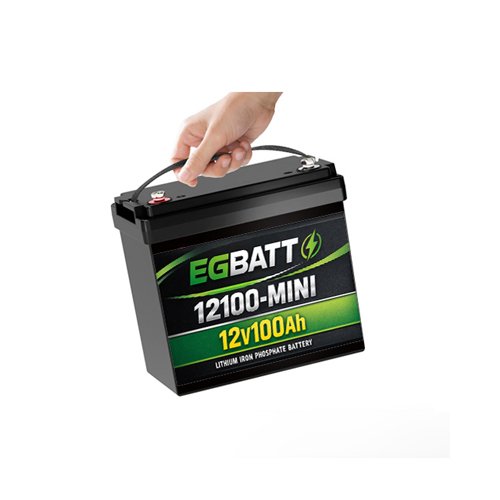
12V 100Ah Mini Group 22NF Lithium RV Battery

The Mini 12V 100Ah RV lithium battery powers RVs, camper vans, and mobile off-grid systems that require a compact footprint and dependable performance. By using EVE Grade A LiFePO4 cells and a dedicated smart BMS, it delivers stable output, improved safety, and an extended cycle life—all within a space-saving design. Moreover, thanks to its lightweight construction and true drop-in compatibility, the RV lithium battery installs easily into Group 22NF battery boxes.
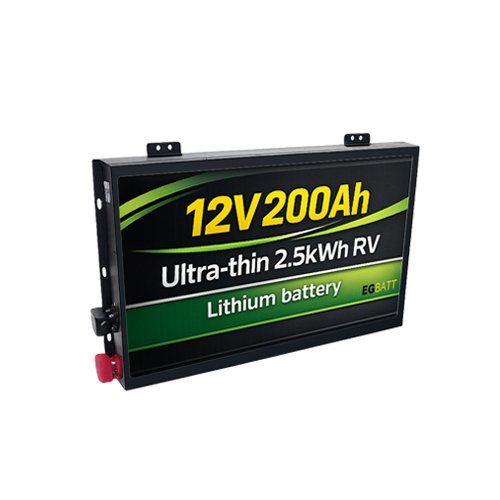
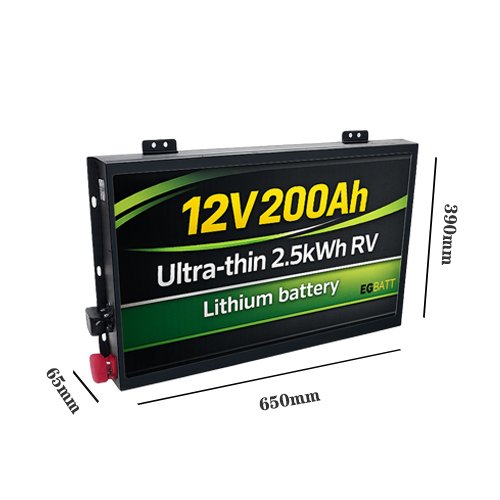
12V 200Ah Slim Ultra-thin RV Lithium Battery

This 12V 200Ah ultra-thin lithium RV battery delivers a perfect balance of high capacity and compact design. Its slim form factor allows easy installation in tight spaces, making it ideal for RVs, camper vans, boats, and off-grid energy systems. Lightweight and maintenance-free, the lithium 12v 200Ah slim Rv battery fits most standard battery compartments and simplifies system upgrades. Perfect for users seeking reliable, portable, and space-saving energy solutions.
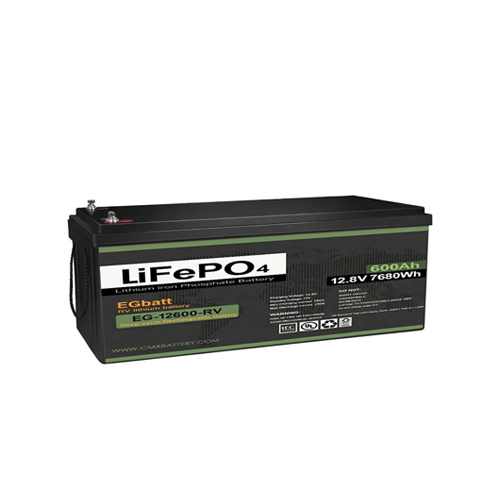
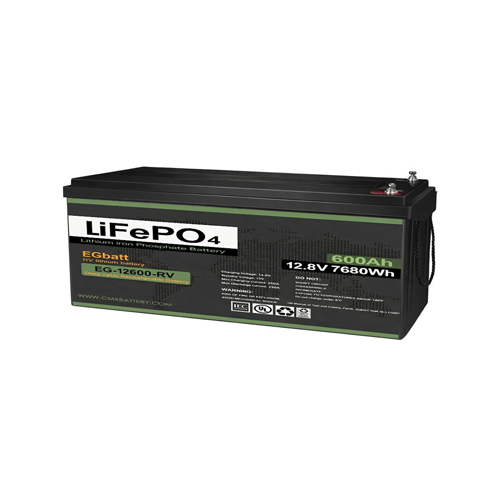
12V 600Ah 7KWh Deep Cycle LiFePO4 RV Lithium Battery

This RV 12V 600Ah LiFePO4 battery delivers an impressive 7.68kWh usable energy, designed for true deep-cycle performance. It supports high continuous loads and long runtime, making it ideal for RV systems, off-grid solar storage, and mobile power applications. It provides up to more than 5,000 cycles Voltage remains stable during discharge, ensuring your appliances run efficiently without sudden power drops.
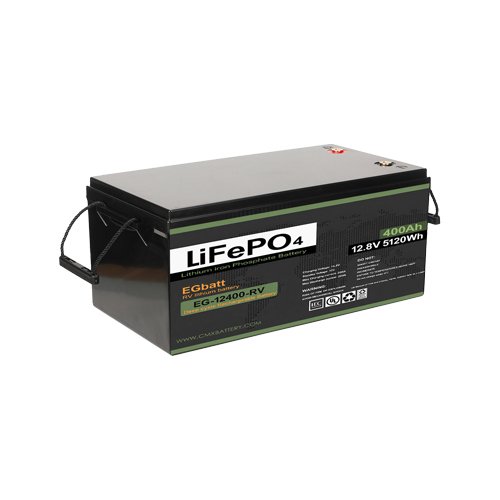
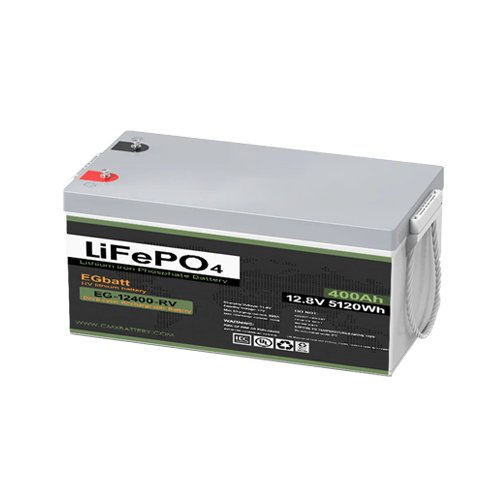
5KWh 12V 400Ah bluetooth Lithium RV battery

  • This 5KWh 12V 400Ah Lithium RV battery delivers a full 5.12kWh of usable energy, giving you dependable power for RV travel, marine use, and off-grid systems.
  • Most importantly, this 12V 400Ah Lithium RV battery is built for long service life and practical daily use. It weighs far less than an equivalent AGM bank while delivering significantly more energy, so handling and space planning become easier.
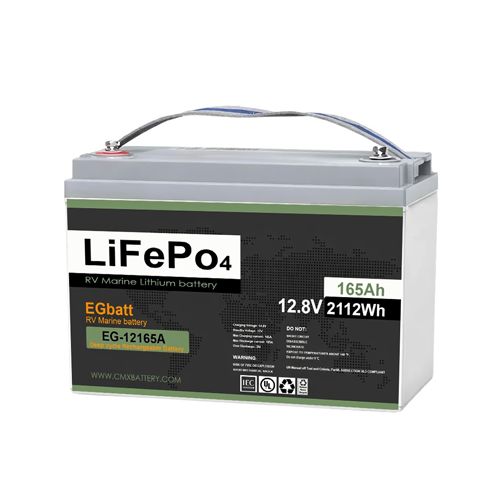
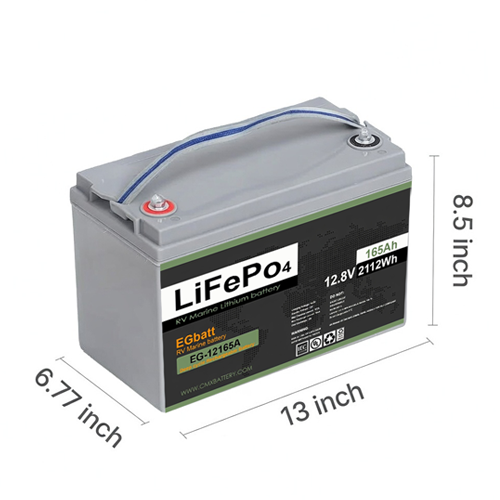
Bluetooth 12V 165Ah Group 31 LiFePO4 Lithium Battery for RV and Marine

This 12V 165Ah LiFePO4 lithium RV battery is purpose-built for RV and marine power systems, delivering stable energy output in a compact footprint. It is well suited for onboard electrical loads and mobile energy setups that require dependable, long-duration power. Designed for deep-cycle operation, it supports frequent charging and discharging with consistent performance, making it a reliable power solution for RV travel, boat applications, and mobile off-grid use.
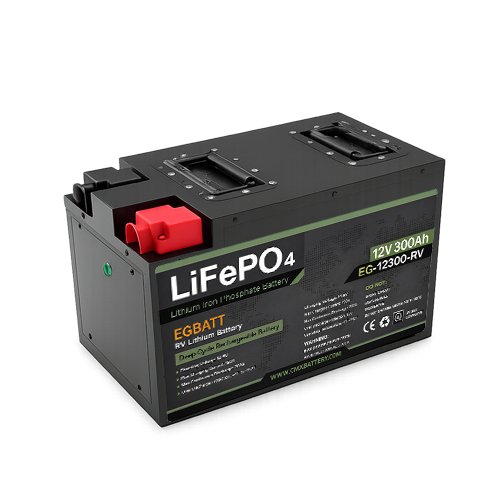
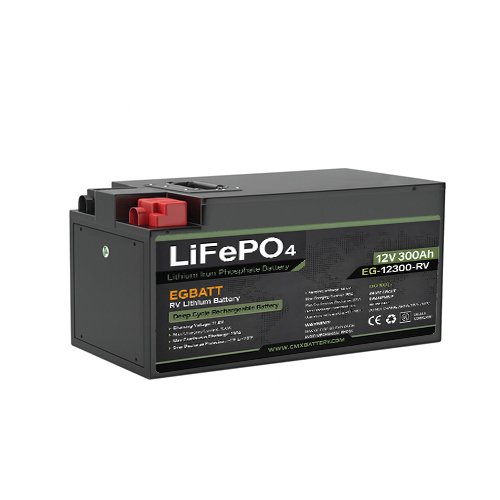
Mini Size 12V 300Ah Bluetooth LiFePO4 Lithium RV Battery

  • The Mini Size 12V 300Ah Bluetooth LiFePO4 RV Battery delivers 3840Wh of reliable power in a compact design, ideal for RV, marine, and off-grid use.
  • Built with automotive-grade cells, a smart 200A BMS, and built-in heating, it ensures safe, stable performance in all seasons.
  • With Bluetooth monitoring, 5,000+ cycles, and a 10-year warranty, it provides long-lasting, low-cost power you can depend on.

Problem 1 — Your “Rated Capacity” Is Not Really Usable

Many RV systems still use lead-acid or AGM batteries. These batteries are often labeled with high Ah numbers, but in real operation you can only safely use about 50% of that capacity.

Example:

  • 200Ah lead-acid bank
  • Only ~100Ah truly usable
  • Voltage drops quickly under load
  • Inverter shuts down early

Practical Fix: You need to size based on usable capacity, not label capacity.

LiFePO4 batteries typically allow 80–95% usable depth of discharge without major lifespan damage. That means a 300Ah lithium battery can deliver nearly triple the usable energy of a 200Ah lead-acid setup.

Problem 2 — Inverter Keeps Shutting Down Under Load

If your inverter shuts off when running appliances like:

Microwave; Coffee machine; Air conditioner (soft start); Induction cooktop the root cause is often voltage sag, not total capacity.

Lead-acid voltage drops sharply when high current is drawn. The inverter sees low voltage and triggers protection shutdown.

Practical Fix: Use a battery with:

  1. Higher continuous discharge rating
  2. Lower internal resistance
  3. Flatter discharge voltage curve

LiFePO4 chemistry is much more stable under load, which keeps inverter input voltage steady and reduces nuisance shutdowns.

Problem 3 — You Don’t Actually Know Your Real Battery Status

Many users rely only on a simple voltage meter. This is inaccurate for lithium systems and misleading even for lead-acid.

Voltage alone cannot tell you:

True state of charge; Remaining runtime; Real current draw and Charge efficiency

Practical Fix: Use batteries with built-in monitoring — especially Bluetooth monitoring — so you can see:

  • True SOC %
  • Live current
  • Battery temperature
  • Charge/discharge trends

This turns battery management from guessing into data-based decisions.

Problem 4 — Too Many Small Batteries in Parallel

Multiple small batteries wired in parallel often create hidden problems:

Uneven current sharing; Imbalance between units; More cable resistance; More failure points; Harder troubleshooting

Practical Fix: In many RV and off-grid builds, one large-capacity battery is more stable than many small ones.

A single high-capacity lithium battery simplifies:

  • Wiring
  • Balancing
  • Mounting
  • Diagnostics

When a 12V 300Ah LiFePO4 Battery Is a Smart Upgrade

A 12V 300Ah class lithium battery is not for every user — but it is ideal if you:

Camp off-grid for multiple days
Run a 2000W+ inverter
Use electric cooking devices
Power compressor refrigerators
Need long runtime between charges
Want fewer batteries with higher reserve

One compact 300Ah lithium battery can often replace an entire older battery bank.

Example of a Compact High-Capacity RV Battery Option

For users researching high-capacity compact lithium solutions with smart monitoring, this model is a useful technical reference:

Mini Size 12V 300Ah Bluetooth LiFePO4 Lithium RV Battery

Key practical features to look for in this class of battery include:

High usable capacity
Built-in BMS protection
Bluetooth monitoring
Compact enclosure size
Deep cycle LiFePO4 cells
Mobile vibration tolerance

When comparing options, always review discharge current rating and physical dimensions — not just Ah.

How to Correctly Size Your Battery (Quick Method)

Here is a simple field method you can use today:

Step 1 — List Your Daily Loads

Write down:

Appliance watts
Hours used per day

Step 2 — Convert to Watt-hours

Watts × hours = Wh

Step 3 — Convert to Ah (12V system)

Wh ÷ 12 = Ah per day

Step 4 — Add 30–40% Buffer

This covers:

Inverter losses
Weather variation (solar)
Unexpected loads

If your result is near or above 200Ah/day, a 300Ah lithium battery becomes a very reasonable system size.

Installation Tips Most Guides Don’t Mention

These small details prevent big problems:

Use properly sized cables (not just “thick looking”)

Keep cable length equal in parallel systems

Install a proper main fuse near battery positive

Verify charger lithium profile compatibility

Check low-temperature charging limits

Secure battery against vibration movement

Good installation matters as much as good battery selection.

Final Takeaway

Most RV battery problems are not random — they come from undersized usable capacity, unstable voltage under load, and lack of real monitoring data.

Upgrading to a high-capacity LiFePO4 battery — especially in the 12V 300Ah class with built-in monitoring — solves multiple system weaknesses at once:

  • More usable energy
  • More stable inverter operation
  • Fewer shutdown surprises
  • Simpler wiring
  • Better visibility

Design your system around real usage and usable capacity, and your off-grid experience becomes far more reliable.

Contact US