160kW 4-Gun DC Fast Charging Point | Dynamic Load Balancing for EV Fleets

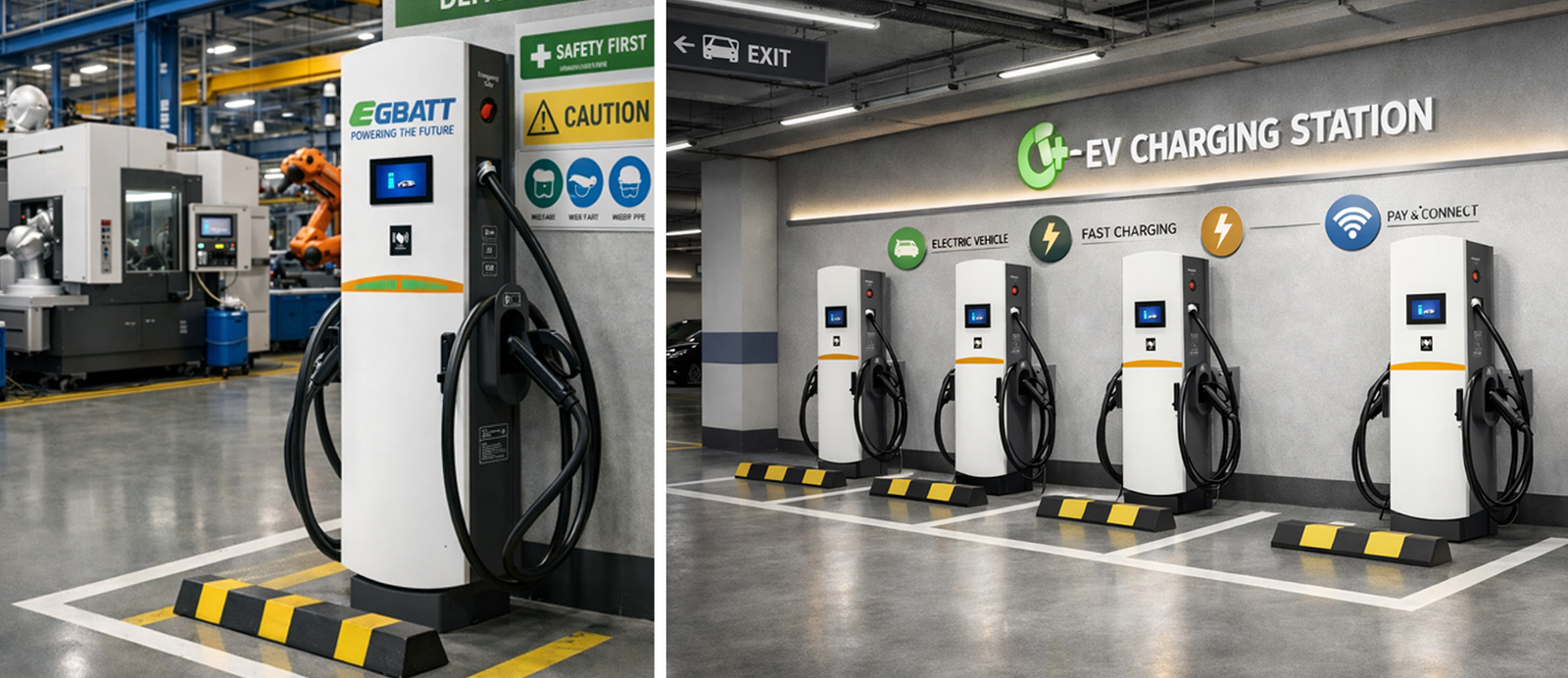
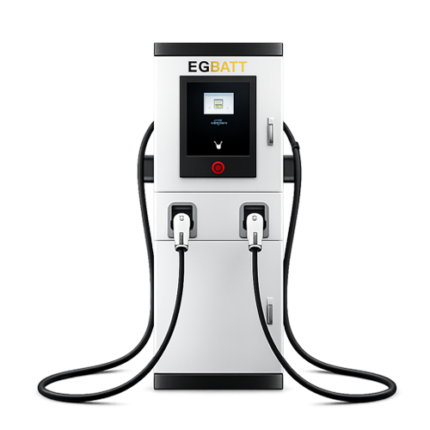
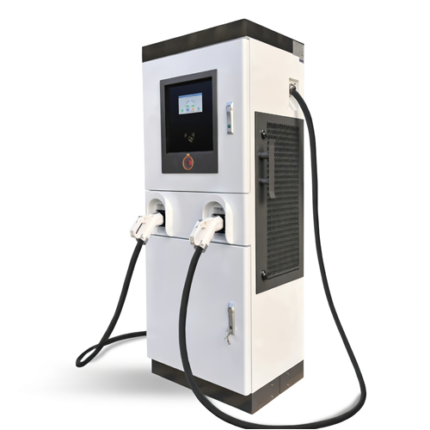
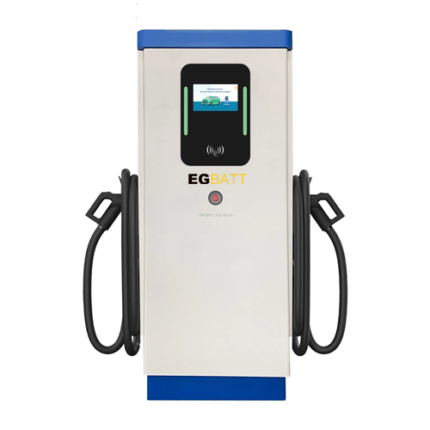
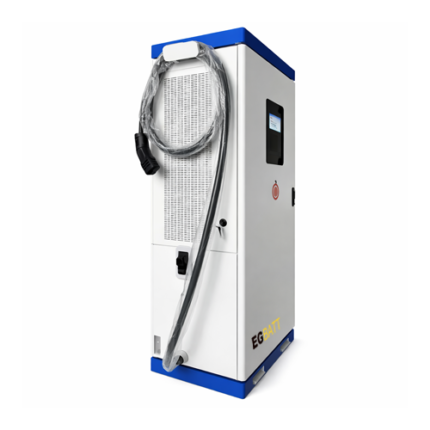
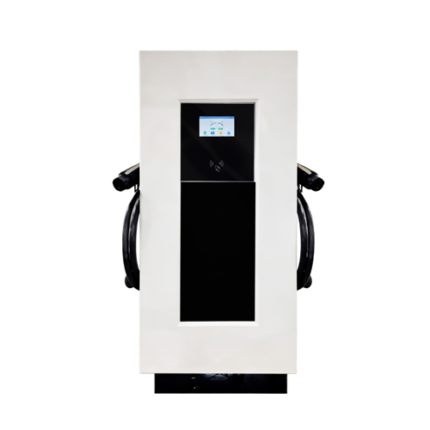
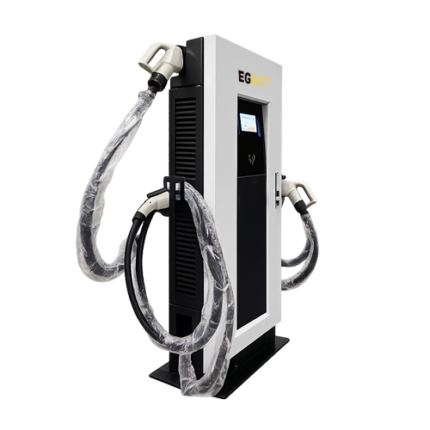
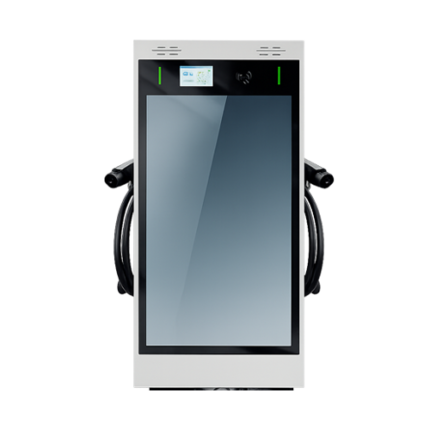
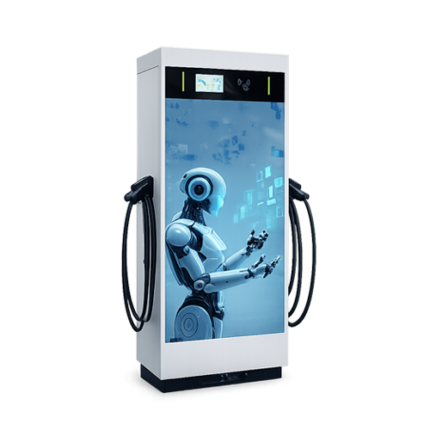
The EG-DC-160Kw-ST is a professional-grade 160kW Level 3 DC Fast Charging Station precision-engineered for high-utilization commercial environments. Featuring an innovative split-type architecture and 4-gun dynamic output, this high-power EVSE is the ideal solution for public charging hubs, logistics depots, and heavy-duty electric vehicle (EV) infrastructure.

By decoupling power conversion from charging terminals, the 160kW system optimizes site layout and maximizes ROI through superior land utility and intelligent load balancing. Whether you are managing an electric bus fleet or a high-traffic highway charging service, this modular solution ensures 99.9% uptime and future-proof compatibility with 800V high-voltage EV platforms.
Description

4-Gun Dynamic Load Balancing 160kW Split DC Fast Charger for Fleets & Public Hubs

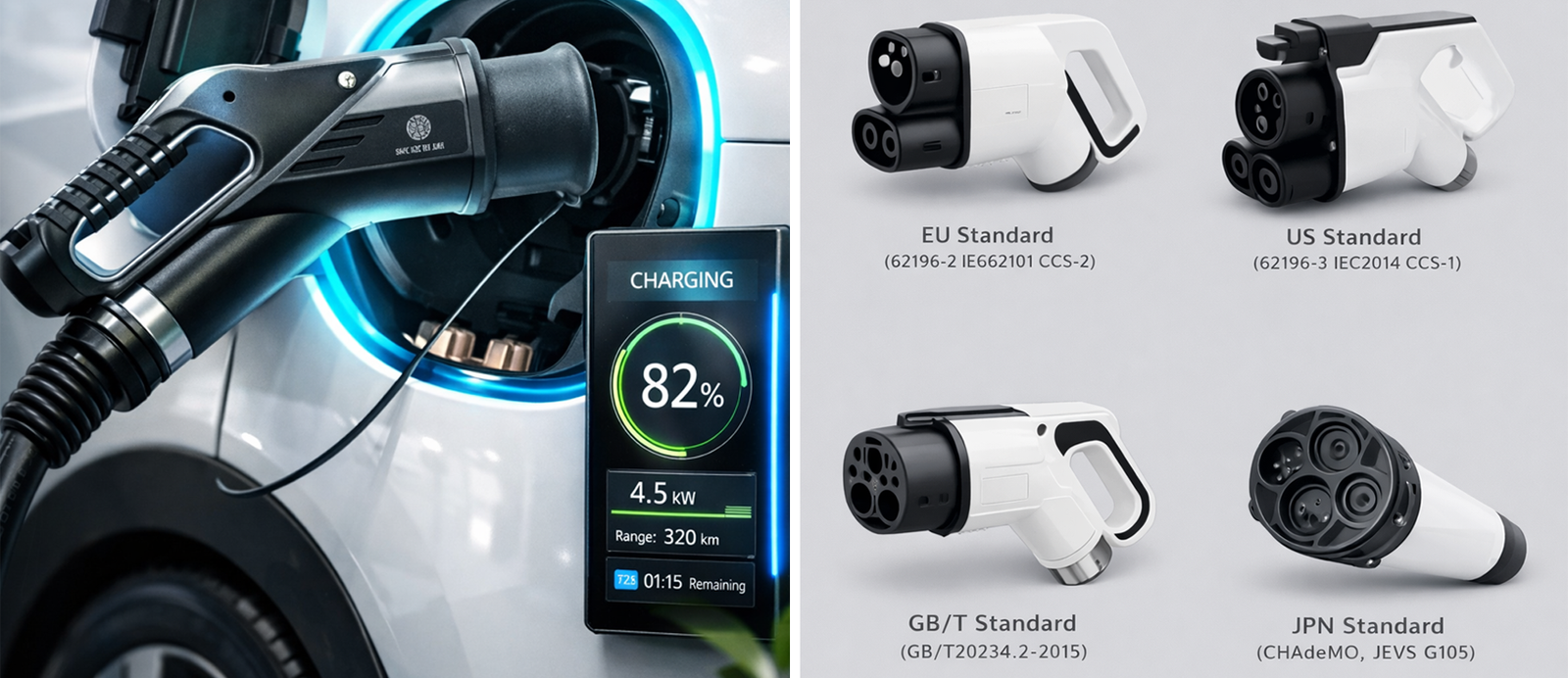
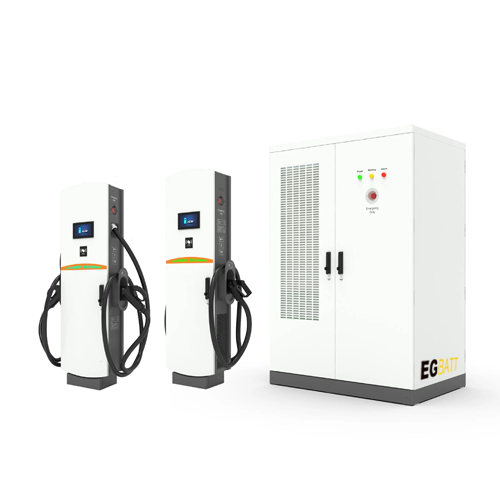
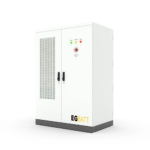
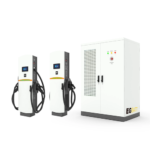
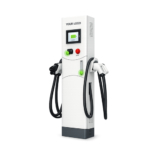
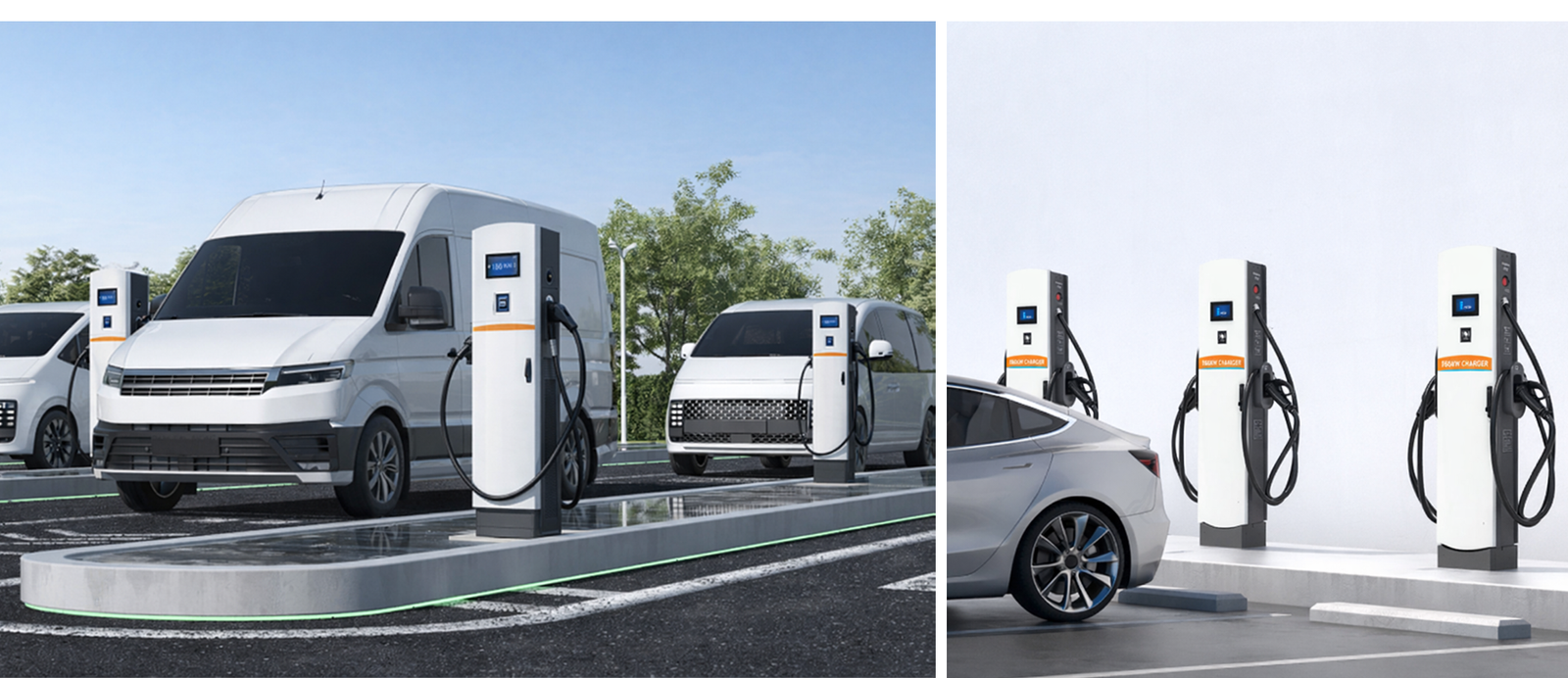
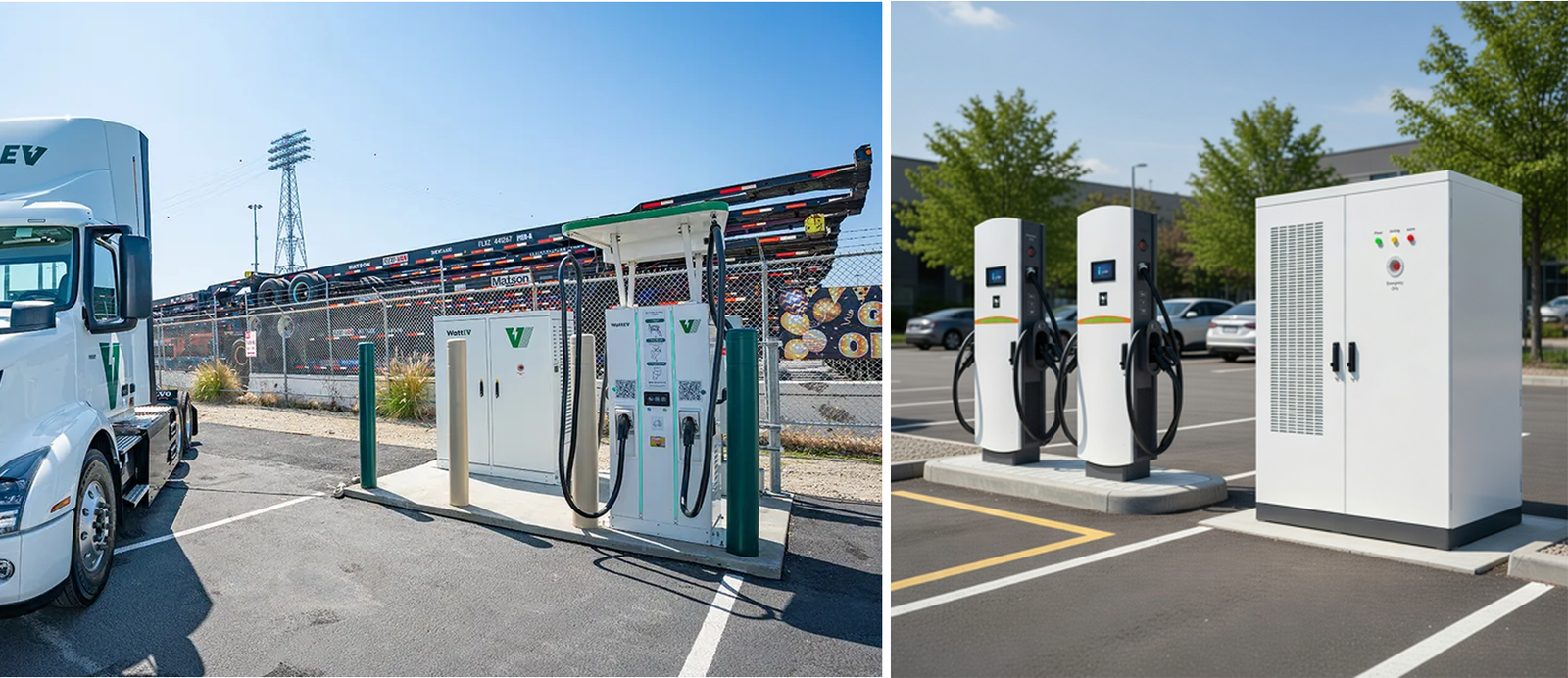
EGBATT High power EVSE 160kW split-type DC fast charger is designed for commercial EV fleets and public charging hubs. The system separates the power conversion cabinet from the dispensing terminals, allowing operators to install compact charging posts in parking bays while centralizing heavy power electronics in a utility area.

This configuration addresses two operational challenges faced by Charge Point Operators (CPOs) and fleet managers: site space optimization and high vehicle turnover. With four dispensing guns and dynamic load balancing, the total 160kW output is automatically distributed among connected vehicles based on each battery's state of charge (SoC) and real-time demand. A single vehicle can receive the full 160kW, while multiple vehicles share power efficiently without exceeding site grid capacity.

The charger supports a wide voltage range of 200-1000V DC, ensuring compatibility with both current 400V electric vans and future 800V heavy-duty truck platforms

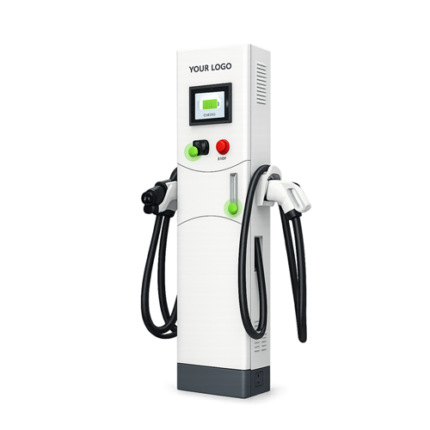
Split untra fast charer 160KW

Key Features

Innovative Split-Type Design (Space Optimization)

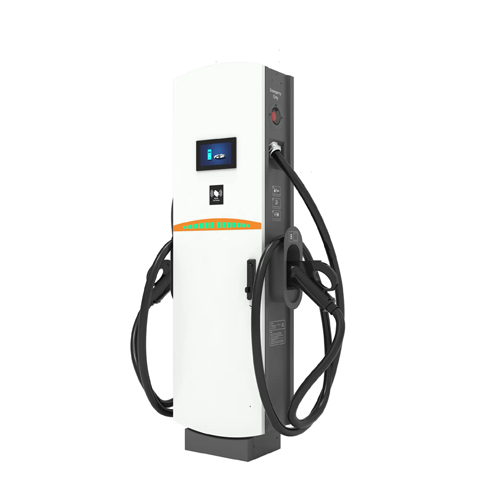
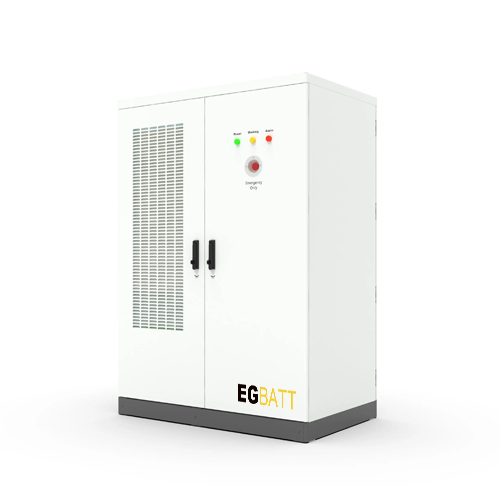
Unlike traditional all-in-one cabinets, our Separate Charger Unit architecture separates the heavy Power Conversion Cabinet from the sleek Satellite Dispensers.

  • Flexible Deployment: Place the main cabinet in a utility area while installing up to 4 compact charging terminals directly at the parking bays.
  • Lower TCO (Total Cost of Ownership): Reduces complex on-site trenching and centralizes maintenance for high-power electronics.

Intelligent 4-Gun Dynamic Power Allocation

Equipped with a proprietary Smart Power Management algorithm, the system dynamically manages the 160kW total capacity across 4 connected vehicles.

  • Peak Efficiency: If one car is charging, it receives the full 160kW output
  • Load Balancing: When 4 cars are plugged in, the system intelligently shifts power based on each vehicle's real-time BMS (Battery Management System) demand and SOC (State of Charge).

Future-Proof 1000V Performance

  • Designed for the next generation of EVs, the Level 3 Smart EVSE fast charger station supports an Ultra-Wide Voltage Range (200V - 1000V DC).
  • This ensures your infrastructure is ready for both current 400V models and future 800V High-Voltage Platforms (like the Porsche Taycan, Hyundai IONIQ, and heavy-duty electric trucks).

Technical Specifications

ParameterSpecification
ModelEG-DC-160kW-ST
ConfigurationSplit Type / Separate DC Fast Charging System
Total Power160kW (Dynamic distribution across 4 outputs)
Input Voltage380V AC ±15% (3P+N+PE)
Output Voltage200 - 1000V DC
Output Current per Gun0 - 250A DC
Charging Points4 independent dispensing units
Grid Standard3P+N+PE (TN-S/TN-C systems)
Frequency50/60Hz ±5%
ProtocolsGB/T 27930, CHAdeMO 2.0, DIN 70121, OCPP 1.6 (JSON), ISO 15118
NetworkStandard: CAN 2.0, RS485, Ethernet; Optional: 4G LTE, GPRS, WiFi
AuthenticationRFID (ISO/IEC 14443), QR code, password, free mode
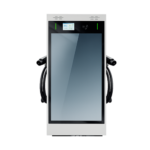
Display7-inch capacitive touchscreen, sunlight-readable
ProtectionIP54 (Dust protected, water splashing resistant)
Operating Temp-40°C to +75°C (Derating above 55°C)
Humidity5% to 95% RH (Non-condensing)
Altitude≤2000 meters
Host Dimensions700×1100×1600mm (W×D×H)
Extension Dimensions250×500×1500mm (W×D×H)
Cable Length5m standard (Customizable)
Input Cable≥3×120mm² + 2×70mm² (YJV, -40°C to 90°C rated)
Circuit BreakerNXMLE-400H 4P/400A or equivalent
Efficiency>95% at full load
CoolingIntelligent forced air with variable speed fans
CertificationsCE, CB, IEC 61851-1/23

Applications:

The EGBATT Level 3 Smart EVSE 160KW Split High-Power EV Charging Station excels in high-demand commercial scenarios

160kw-split-dc-fast-charging-station
  • Electric Fleet Depots

Perfect for logistics companies running 4-wheel electric vehicles. Dynamic power sharing keeps trucks and vans charging simultaneously without grid overload.

  • Commercial Parking & Corporate Lots

Level 3 Ultra-fast Split Type DC EV Charging Station for employee fleets and visitor EVs – economic solution with OCPP backend reporting.

  • Bus & Light Truck Terminals

High-power 160kW commercial DC Charger (Eco-version) supports rapid turnaround for public transit and delivery fleets.

  • High-Efficiency Logistics Hubs

Energy-conserving design reduces electricity bills while delivering fast and reliable charging for 4-wheel electric vehicles 24/7.

Installation & Compatibility

Simple split-type installation (per official manual):
  • Pre-lay PVC/SC conduits (refer to base diagrams).
  • Incoming cable recommendation: ≥3×120 mm² + 2×70 mm² for 160kW model.
  • Grounding mandatory; use expansion screws on concrete (no excavation needed).
  • Connect L1/L2/L3/N/PE to leakage protection switch.
  • Environment Requirements: -40℃~+75℃, IP54 dust/waterproof, altitude ≤2000 m – ideal for outdoor commercial EV fleets.
    Compatibility: 
Vehicle Type Compatibility Charge Time (10-80%)
400V Passenger EV Full (CCS2/GB/T) 20-30 minutes
800V Passenger EV Full (CCS2) 15-25 minutes
Electric Vans/Trucks Full 40-60 minutes
Electric Buses CHAdeMO/GBT 60-90 minutes
CHAdeMO Vehicles Full (CHAdeMO 2.0) 30-40 minutes
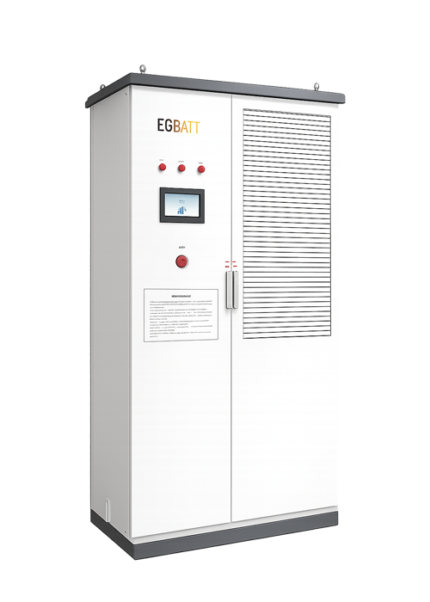
DC fast charging staion 120KW

Frequently Asked Questions

1. How fast can a 160kW charger charge a commercial EV?

A typical 80kWh commercial van can reach 10% to 80% charge in approximately 20-25 minutes, providing over 200km of range during a driver's break.

2. Why is the Level 3 Split-Type design better for my site?

It allows for better Land Utility. You can centralize the power modules while keeping the charging terminals small and accessible, which lowers overall maintenance costs

3. Does it support 800V high-voltage platforms?

Yes. With its 1000V DC maximum output, it is fully compatible with the latest 800V EV architectures.

4. How does the 4-gun power sharing work?

The system uses Dynamic Current Shifting. If one car's demand tapers off as it gets full, the surplus power is instantly redirected to the other connected vehicles

5. Is the station compatible with global standards like NACS or CCS2?

Our satellites are modular. We can configure them with CCS1, CCS2, CHAdeMO, GB/T, or NACS connectors based on your local market requirements.

6. What are the environmental limits for this station?

Rated at IP54, it operates from -40°C to +75°C, featuring anti-corrosion coating for harsh industrial or coastal environments

Send Inquiry:

    Support and Delivery

    Product & Packaging Details

    Q: Do batteries include protection circuits(BMS) and connectors?
    A:Protection: We supply batteries with BMS built in Protection Circuit Modules (PCM).

    Connectors: We normally use standard like anderson,M8 lugs,Fast plugs or depends on OEM customer's demends.

    Q: Are batteries Grade-A and brand new?
    A: Yes, we use 100% brand new, Grade-A cells in all our batteries.

    Q: Can you print our logo on the batteries?
    A: Yes, we offer free custom logo printing with a minimal MOQ requirement.

    Q: What is your standard packaging? Can it be customized?
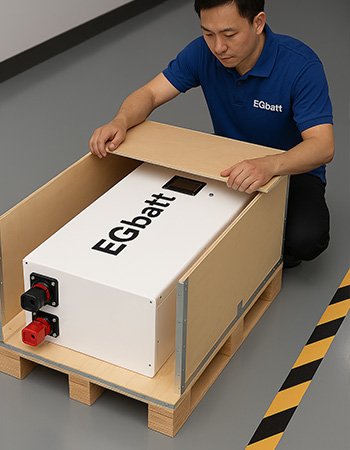
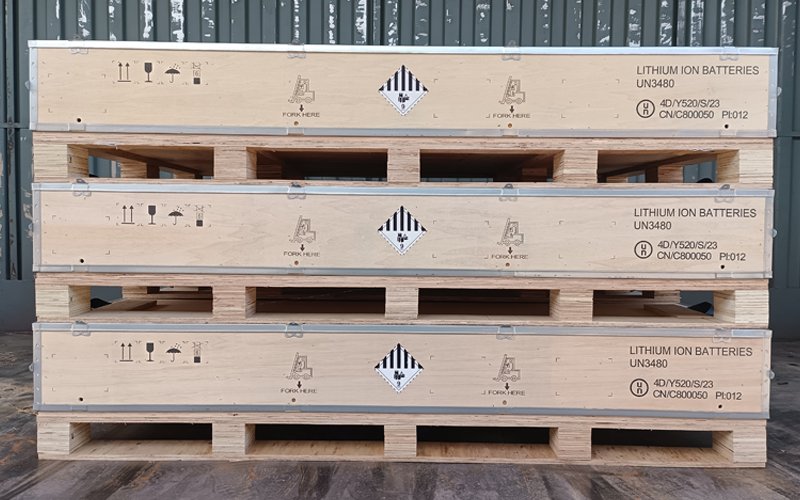
    A: Our standard is a white box per battery. We fully support customized packaging, including carton box and logo design.

    Is EGbatt a Lithium Battery manufacturer?

    Yes. EGbatt is a manufacturer located in Shenzhen, Guangdong, China. It designs and produces LiFePO4 battery packs for energy storage, electric forklifts, marine applications, golf carts, RVs, and UPS systems.

    What is the production lead time?

    Based on automated production technology, the current product lead time is 15-25 days.

    Which battery cells does EGbatt use?

    The company has strategic cooperation agreements with top manufacturers like EVE and REPT, and insists on using A+ tier One lithium iron phosphate cells for its solar batteries.

    Which inverters are compatible with EGbatt batteries?

    For 48V inverters, compatible brands include Victron Energy, Goodwe, Studer, Solis, LuxPower, and others. For high-voltage three-phase inverters, compatible brands include Atess, Solinteg, SAJ, Goodwe, and Solis.

    What is the warranty for EGbatt energy storage batteries?

    EGbatt offers dealer customers a 10-year warranty and technical service for its energy storage battery products.

    What is Depth of Discharge (DoD)?

    DoD describes how much of the battery's capacity has been used. A DoD of 100% means the battery is completely empty, while 0% means it is full.

    What is State of Charge (SoC)?

    SoC reflects the battery's charge level. A SoC of 100% means the battery is full, and 0% means it is empty.

    What is C-rate?

    C-rate, or power factor, indicates how quickly a battery can be charged or discharged relative to its capacity. A rating of 1C means the battery can be fully charged or discharged in one hour.

    What is the cycle life of a EGbatt Lithium Solar Battery?

    The battery uses Lithium Iron Phosphate chemistry and provides a cycle life of over 6,000 cycles at 90% Depth of Discharge, and over 10 years at one cycle per day.

    What is the difference between kW and kWh?

    kW (kilowatt) is a unit of power, measuring the rate of energy production or consumption. kWh (kilowatt-hour) is a unit of energy, measuring the total amount of work done or energy used over time.

    Where can a home battery be installed?

    EGbatt home batteries are suitable for both indoor and outdoor installation (depending on the model's protection level) and offer floor-standing or wall-mounted options. Common locations include garages, attics, or under eaves.

    How long can a 10kWh Powerwall run home appliances during a power outage?

    This depends on the load. As a realistic example, a 10kWh battery could run ten 100-watt light bulbs for 12 hours without recharging.

    How many home batteries does my house need?

    The number varies based on home size, energy consumption history, and personal goals (like which devices to run during an outage). For most systems, 2 or 3 batteries are installed. A detailed discussion of your needs is recommended for an accurate assessment.

    Can I go completely off-grid with solar and batteries?

    Yes, it is possible, but it requires careful planning and significant investment. A true off-grid system needs a large enough solar array and sufficient battery storage to sustain your lifestyle. Cost and having an alternative energy source for when solar charging isn't possible are key considerations.

    Is EGbatt an online store?

    No. EGbatt focuses on building long-term relationships with business partners like battery distributors, solar equipment dealers, and installation contractors worldwide, not direct sales to end consumers.

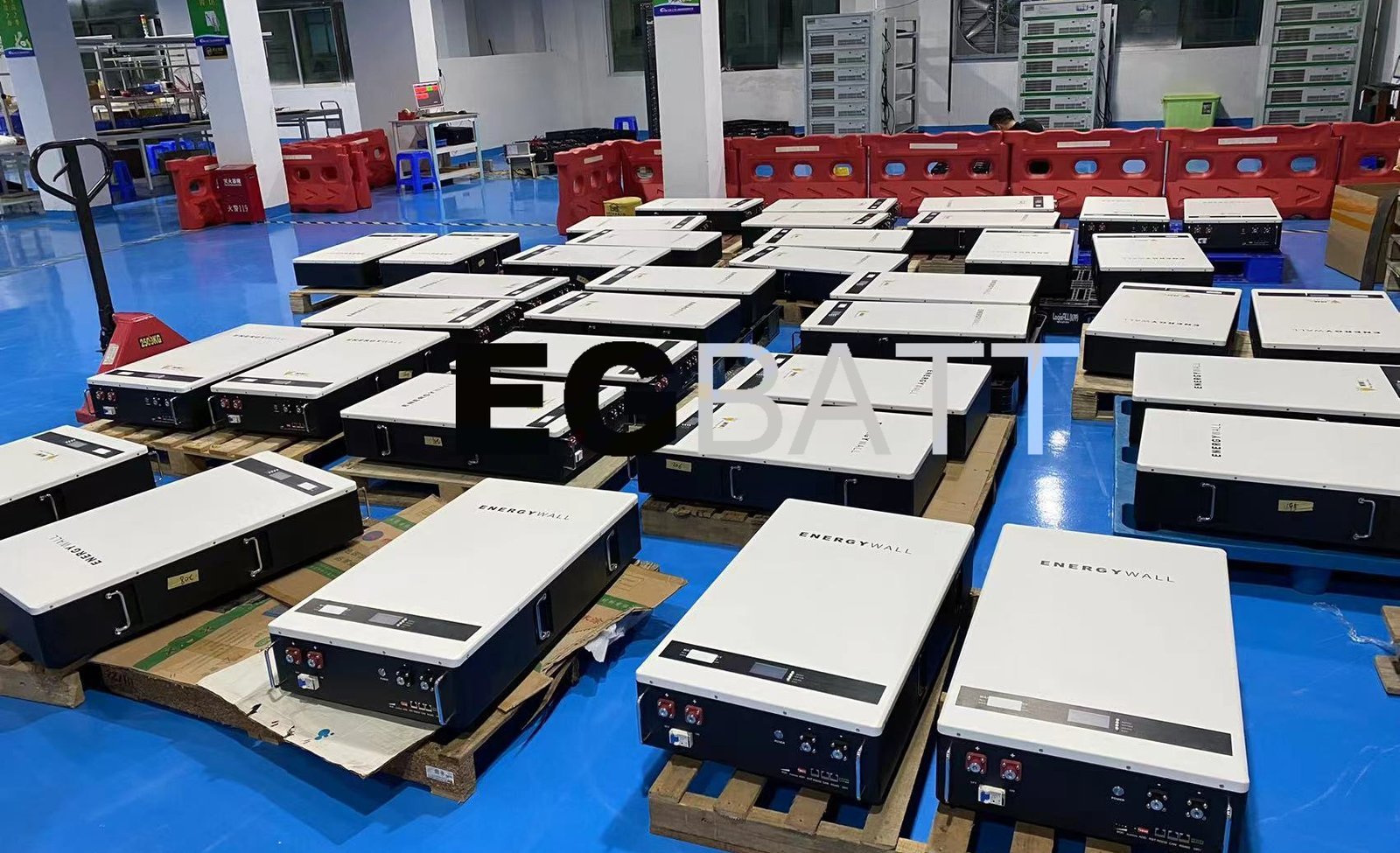
    7KWh-Blade-BYD-solar-battery-packaging
    production
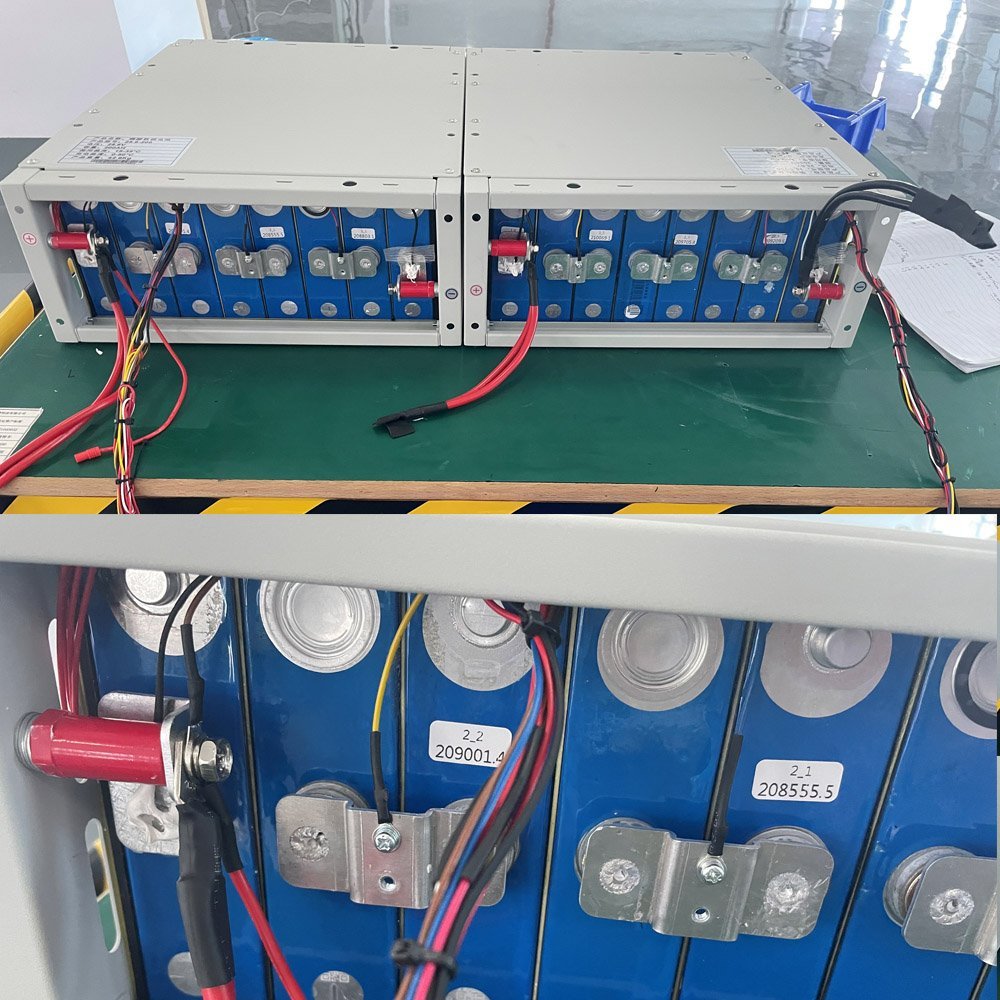
    cell layerout

    Compatible Inverter Brand List

    Voltronic-Power-inverter

    Voltronic

    HYPODNTECH

    Hypodntech

    Invt

    Schneider

    SRNE-Inverter

    Srne

    Sorotec

    KOYOE Inverter

    Koyoe

    Seneigy

    Seneigy

    Sofar

    Must

    EGBATT Battery Compatibility with Inverters

    Perfect Matching with Mainstream Hybrid and On-grid Inverters

    EGBATT lithium battery systems are tested for seamless compatibility with a wide range of inverter brands across global markets. Whether for residential, commercial, or utility-scale applications, our batteries support multiple communication protocols (CAN/RS485) and work with both low-voltage (40–60V) and high-voltage (100–1500V) inverter platforms.

    • Low-Voltage System Compatibility (40–60V)
      Low-voltage systems typically operate in the 48V-60V range and are widely used in home off/grid-connected solar systems. EGBATT lithium batteries offer seamless compatibility with a wide range of leading inverter brands in this range, including:
      Deye, Growatt, GoodWe, ZZPower, Solis, Sinexcel, SRNE, Schneider Electric, Megarevo, AISWEI, SMA, Luxpower, Victron Energy, Afore, Hoymiles, INVT, Sofar, OutBack Power, SolaX Power, tbbpower, Sacolar, Sunsynk, Sosen, SMD Solar, Must, SOROTEC, Sunman, Voltronic Power, SAJ, and more.
    • High-Voltage System Compatibility (100–1500V)
      High-voltage energy storage systems generally operate in the voltage range of 150V-1000V and are adapted to high-power inverters for commercial and industrial energy storage systems (80kWh-200kWh and above). EGBATT high-voltage lithium battery systems are fully compatible with leading inverter brands within this range, including:
      Sol-Ark, INVT, Sinexcel, Luxpower, SClinTeg, Shanghai Nenergy, Deye, Growatt, Xina Electric, Hoymiles, Sunsynk, Hopewind, Solis, SOSEN, Megarevo, EcoCod, GoodWe, Sunways, Jingshi Technology, Kehua Tech, AISWEI, KOYOE, Sermatec, Afore, and more.

    We offer integration support and testing for most mainstream hybrid and on-grid inverters. Contact EGBATT for compatibility details and custom solutions.