Solar energy Storage

High Voltage vs 48V Low-Voltage Home Batteries: Which One Is Right for Your Home?

So—you’re thinking about adding a battery to your solar setup.

Maybe you already have panels on your roof, but you’re tired of watching your meter spin again the moment the sun goes down. Or maybe you’re starting from scratch and want to get it right the first time.

Either way, you’ll quickly run into the same question:
Should you go high voltage or stick with 48V low voltage?

Walk into any solar installer’s office—or spend 10 minutes in an online forum—and you’ll hear strong opinions on both sides.
Low-voltage fans will tell you 48V is safer, cheaper to get into, and DIY-friendly.
High-voltage advocates will talk about efficiency, future scalability, and saving a ton on copper.

I’ve spent way too much time digging into this—talking to installers who’ve built hundreds of systems and running real numbers based on actual utility bills.

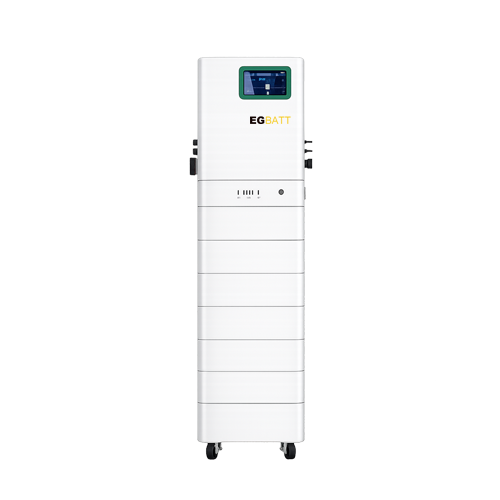
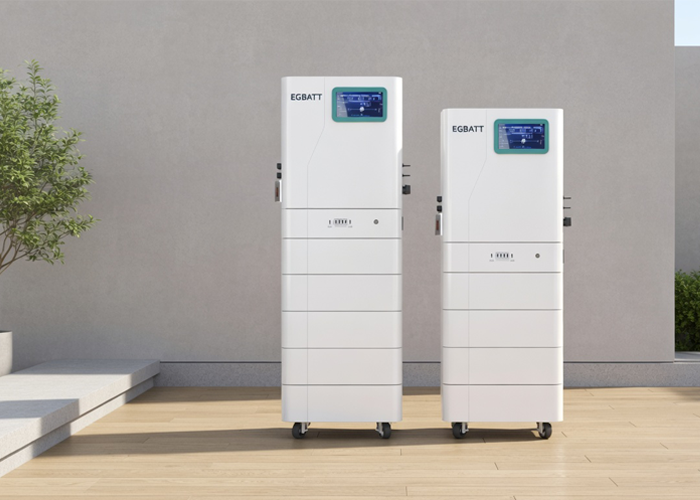
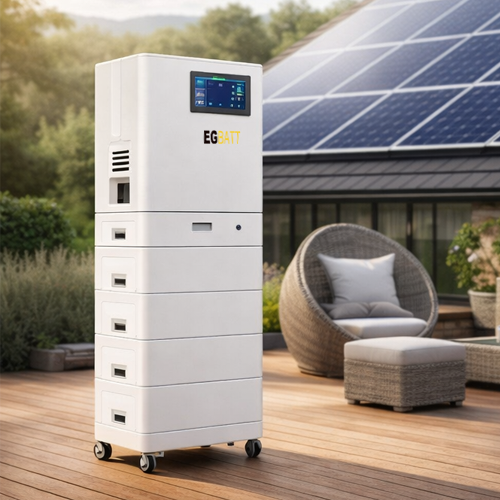
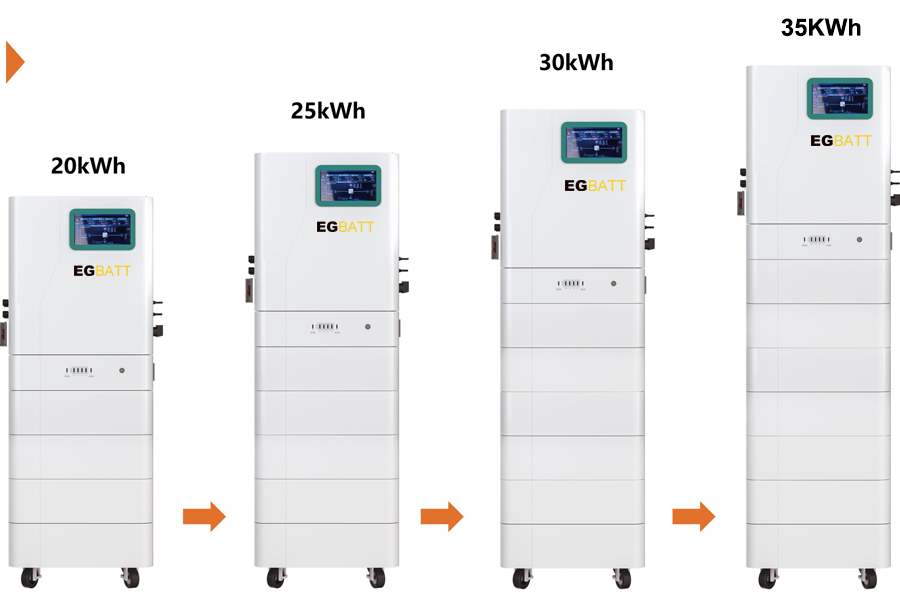
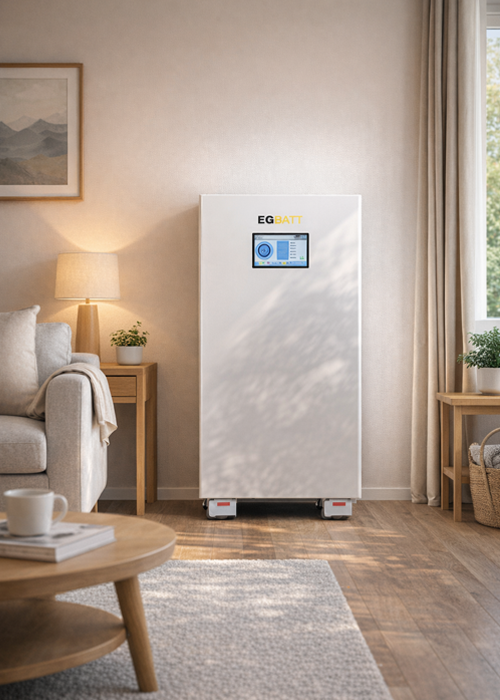
35kWh high voltage LiFePO4 home battery all-in-one floor-standing tower with seven stacked modules - scalable solar backup for whole house

Here’s what I’ve learned. No marketing fluff—just straight talk

First, What Are We Actually Comparing?

10000wh lifepo4 battery bank

48V Low-Voltage Systems

These typically run around 48 volts (sometimes a bit higher). Think of them as the reliable workhorses of the industry—they’ve been around for years. They’re: Modular (easy to add more batteries in parallel) Widely compatible with many inverters Simple and well understood
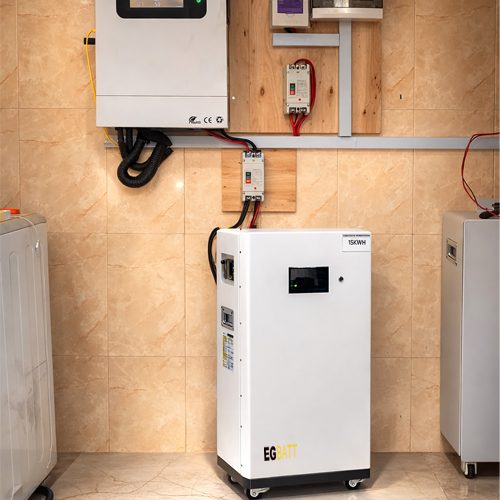
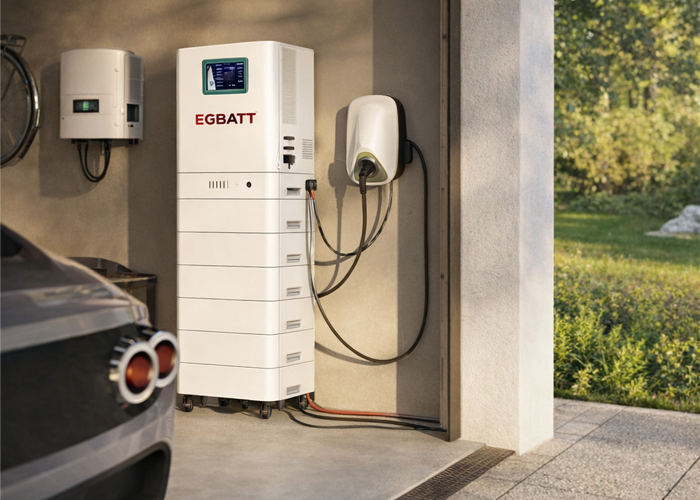
nstallation example of rack-mounted LiFePO4 batteries in a residential garage - 35kWh high voltage LiFePO4 battery pack storage system

20-35KWh High-Voltage Systems

These operate anywhere from 100V up to 600V+. For example, the EGBATT HV 358V 35kWh battery I’ve been looking at is a high-voltage system—multiple battery modules connected in series to reach that voltage. This approach comes from EVs and commercial energy storage, and it’s becoming more common in new residential installs.
Efficiency: Yes, It’s Real—But Don’t Obsess Over It

Remember high school physics?

Power = Voltage × Current

In plain English:
Higher voltage means lower current for the same power.

Why does that matter?

Because current is what causes heat and energy loss.

Lower current =

  • Less heat
  • Less wasted energy
  • Thinner (and cheaper) cables

Real Numbers
358v High-voltage systems: ~93%–99% round-trip efficiency
48V systems: ~87%–94%

So yes—high voltage is more efficient. But what does that mean in real life? If you have a 10kWh battery cycling daily, the difference might cost you about: 100–150 kWh per year

Whether that matters depends on:

Your electricity rates
How often you cycle the battery
Your system quality

Bottom line:
High electricity prices → efficiency matters more
Moderate usage → difference is small

Power Output: It’s Not About “Can It”—It’s About “How Hard It Works”

scalable HV 20-35KWh lifepo4 battery

A common question:
Can a 48V system handle big loads like HVAC or EV charging?

Yes—but it works a lot harder to do it.

Let’s Do the Math. Say you want to run:

HVAC + EV charger
* Total load = 15kW

At 48V:
Current = 15,000 ÷ 48 ≈ 312 amps

At 350V:
Current ≈ 43 amps

What 312 Amps Means in Real Life

It’s doable—but not simple. You’ll need:

  • Multiple batteries in parallel
    (e.g., 4+ units if each is limited to ~100A)
  • Very thick cables (70mm² or more)
  • Perfect connections and proper installation
  • Hardware rated for continuous high current

High Voltage Advantage

Because current is much lower:

Easier installation
Less stress on components
Lower heat and losses
The Real Difference

It’s not: “Which one is more powerful?”

It’s: “Which one delivers power more easily?”

Practical Takeaway
3–5kW household peak? → 48V is totally fine
Whole-home backup + EV + HVAC? → High voltage makes life easier

bes 48v 314ah 16kwh home battery

Safety: Different Risks, Not Better or Worse

This topic gets emotional—so let’s stay objective.

48v314ah energy storage system

48V Low Voltage
Falls under SELV (Safety Extra Low Voltage)
Very low risk of electric shock
Often DIY-friendly (depending on local codes)

Great for:

Homeowners who want to install themselves
Safety-conscious users
High Voltage (100V–600V+)
Higher shock risk if mishandled
Requires licensed installation
Must follow codes like NEC

Needs:

Proper disconnects
Rapid shutdown systems
Professional design
Hidden Reality
Low voltage → high current → heat risk if poorly installed
High voltage → higher shock risk

Cost: Upfront vs. Long-Term

  • High Voltage
    ~20–30% higher upfront cost
    More complex BMS
    Requires professional installation

But:

Higher efficiency saves energy over time
Uses less copper (up to ~70% less wiring)

  • 48V Systems

Pros:

Lower entry cost
Easy to expand gradually
Widely available components
DIY-friendly (can save labor)
Decision Logic
Tight budget → start with 48V
Long-term heavy usage → high voltage may cost less overall

16kwh 48v 314ah home battery storage

Real-World Scenarios

High voltage lithium photovoltaic battery system diagram with PV input, hybrid inverter, and home load connections - all in one 358V 112S1P designHigh voltage lithium photovoltaic battery system diagram with PV input, hybrid inverter, and home load connections - all in one 358V 112S1P design

Scenario A
Small home, no EV, basic backup (fridge, lights, Wi-Fi, TV) 48V is perfect

Scenario B
Central AC, EV, want full-home backup. Go high voltage

Scenario C
New build, aiming for energy independence. High voltage is the better long-term platform

Scenario D
Limited budget, want to start small. Start with 48V—but note future upgrade costs

Often Overlooked Factors
Cold Weather
LiFePO4 batteries don’t like charging below 0°C
Some systems include self-heating

This applies to both high and low voltage—depends on design

Noise
Most systems: 30–50 dB (very quiet)
Poor designs may have noticeable fan noise

Check real user reviews before buying

Final Verdict: It Depends on Your Load Profile

I’m not going to tell you:
“Always go high voltage” or “48V is enough for everyone.”

Both are mature technologies—they just serve different needs.

Choose 48V if you:

  • Are budget-conscious
  • Want DIY flexibility
  • Have modest loads (≤5kW)
  • Don’t plan major expansion

Choose High Voltage if you:

  • Have large loads (EV, HVAC, electric heating)
  • Want better efficiency long-term
  • Prefer simpler wiring and lower current
  • Are okay with higher upfront investment

About the EGBATT High-Voltage 35kWh System

That system is clearly built for:

  • Whole-home backup
  • High power demand
  • Scalable expansion

If that matches your needs, it’s a strong option.
If not, a 48V system will still do the job just fine.

One Last Tip (Important)

The U.S. Federal ITC (Investment Tax Credit) still applies to home battery systems:

30% tax credit (if eligible)

Make sure you factor that into your budget—it can significantly change the math.

Final Thought

Choosing a battery is like choosing a car. SUV vs. sedan—neither is “better.” It depends on your roads, your needs, and your budget. Hopefully, this saves you a few expensive mistakes.

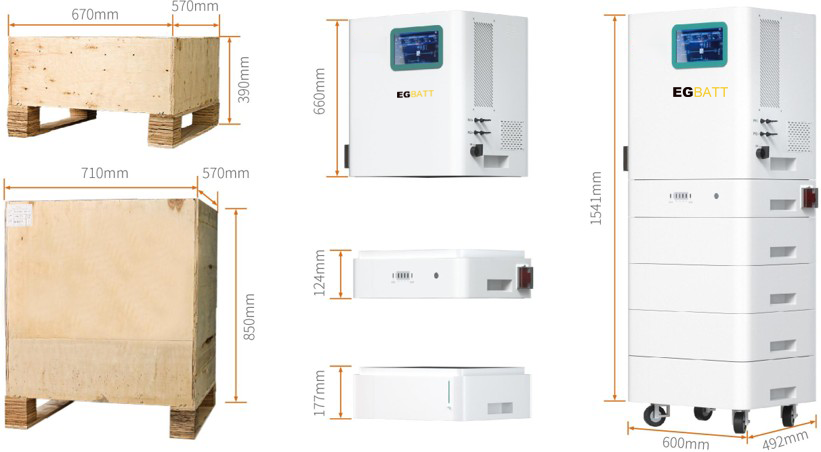
Technical illustration of custom 100Ah HV lithium battery modules being added to expand a 35kWh high-voltage lithium storage battery HVS
Whole house backup application of 35kWh LiFePO4 battery during grid outage - powers HVAC, lights, and appliances seamlessly